
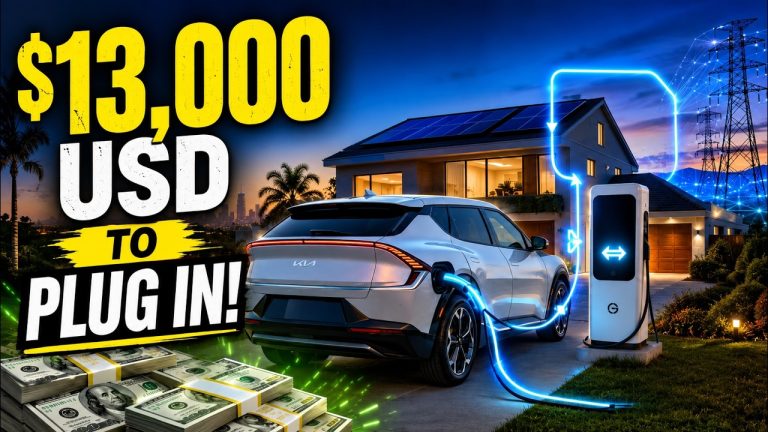
Pacific Gas and Electric Company (PG&E) has expanded its vehicle-to-grid (V2G) program, allowing electric vehicle (EV) owners in California to sell battery power back to the grid during peak hours. This initiative aims to incentivize EV adoption and promote clean energy use, but claims of earnings of “50 cents per kilowatt-hour” and a flat “$4,000” payment for participants have been described as exaggerated. The actual incentives for joining the program range between $2,500 and $5,000, primarily covering the costs of installation, rather than guaranteed per-kWh earnings.
Understanding the Vehicle-to-Grid Program
The V2G program is designed to allow EV owners to not only charge their vehicles but also to discharge stored energy back into the grid when demand is high. This process can help stabilize the grid, especially during peak energy consumption times. PG&E’s recent extension of the program to include more EV brands indicates a broader push towards integrating electric vehicles into the energy supply chain.
Get the latest EV news first. Follow us on:
Claims vs. Reality
While the promotional material surrounding the V2G program suggests lucrative returns, experts caution that the reality may differ significantly. The advertised earnings of “50 cents per kWh” are not guaranteed and may vary based on market conditions and grid demands. Instead, participants can expect incentives that are primarily aimed at offsetting installation costs, which can range from $2,500 to $5,000. This financial support is crucial for making the technology more accessible to a wider range of EV owners.
How to Get Started
Individuals interested in participating in PG&E’s V2G program can sign up through various platforms. To enhance the onboarding experience, viewers of the related YouTube video are encouraged to use a referral code when joining the Amber platform, which offers a $120 credit. This promotional approach aims to ease the transition into the program while providing additional financial incentives for new users.
Further Resources and Community Engagement
The Electric Viking, the source of the video, provides multiple platforms for engagement and information dissemination. Viewers can connect via social media, including Facebook and Instagram, or join community discussions on platforms like Patreon. Additionally, resources such as booking consultations and signing up for newsletters are available through The Electric Viking’s official website, which aims to keep users informed about advancements in EV technology and clean energy solutions.
Conclusion
As California continues to push for cleaner energy solutions and increased EV adoption, programs like PG&E’s V2G initiative represent a significant step towards integrating electric vehicles into the energy grid. However, potential participants should approach promotional claims with caution and focus on understanding the realistic incentives and requirements associated with the program. With the right information and resources, EV owners can contribute to grid resilience while potentially benefiting from financial incentives.
Watch the full video on YouTube: Your EV Can Now Earn 50 Cents per kWh in California -Get paid $4000 To Join!
