
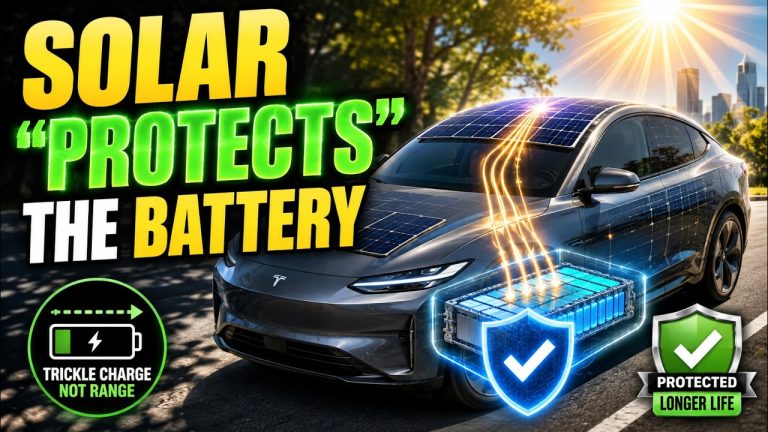
Recent findings from scientists indicate that the primary benefit of integrating solar panels into electric vehicles (EVs) is not to extend driving range, but to mitigate “vampire drain”—the phenomenon where energy is consumed by the vehicle’s climate control, battery preconditioning, and onboard electronics while parked. This revelation challenges the common perception that solar panels on EVs are mainly for boosting their mileage capabilities.
According to the analysis, even the most efficient solar panel systems can only add a few miles of driving range per day. For instance, completely charging a 300-mile battery solely through sunlight would require weeks of continuous exposure to direct sunlight. Therefore, the limited contribution of solar panels to driving range makes them less appealing as a primary feature for EV owners concerned about distance travel.
Instead, the installation of solar panels can significantly help in preserving the main battery’s health by supplying power to auxiliary systems while the vehicle is stationary. This capability prevents the main battery from discharging due to these background processes, which can lead to more frequent charging cycles. By keeping the battery fuller and cycling less, solar panels can enhance the longevity of the vehicle’s battery, potentially reducing the need to plug in for daily errands.
Get the latest EV news first. Follow us on:
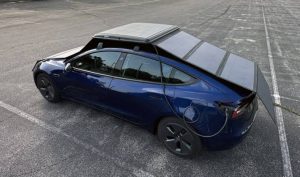
Offsetting Vampire Drain
Vampire drain is a critical concern for EV owners, as it can lead to unnecessary battery depletion when the vehicle is not in use. The integration of solar panels can help offset this energy loss, ensuring that the vehicle remains ready for use without constantly relying on external charging sources. Experts suggest that this function of solar panels is crucial for maintaining battery efficacy over time, thereby enhancing the overall ownership experience of electric vehicles.
The research highlights that while the primary purpose of EV solar panels may not be to extend driving range, their ability to manage energy consumption during downtime presents a compelling argument for their inclusion in future vehicle designs. As manufacturers continue to innovate and expand their offerings in the electric vehicle market, the focus may shift to optimizing battery health and efficiency, with solar technology playing a pivotal role in this evolution.
Industry Implications
The implications of these findings extend beyond individual vehicle owners. As the market for electric vehicles grows, understanding the role of solar panels in improving battery health could influence production strategies among manufacturers. A shift towards emphasizing these benefits could lead to increased consumer interest in solar-equipped EVs.
As noted in a reference article from PV Magazine, vehicle-integrated photovoltaic (PV) systems are key to protecting EV batteries rather than primarily extending their range. This insight could serve as a catalyst for more widespread adoption of solar technologies in the automotive sector, particularly as climate concerns continue to drive consumer preferences towards sustainable solutions.
For those interested in the latest developments in electric vehicles and solar technology, additional information can be accessed through various platforms associated with The Electric Viking. The channel provides insights and updates on the evolving landscape of electric vehicles, battery technology, and renewable energy solutions.
In conclusion, while the addition of solar panels to electric vehicles may not dramatically enhance driving range, their role in preserving battery health and offsetting energy consumption while parked presents a strong case for their integration. As the technology advances, the automotive industry may increasingly recognize the value of solar energy in enhancing the overall performance and sustainability of electric vehicles.
Watch the full video on YouTube: Scientists Just Found the Real Reason to Put Solar on Your EV, and It Isn’t Range
