
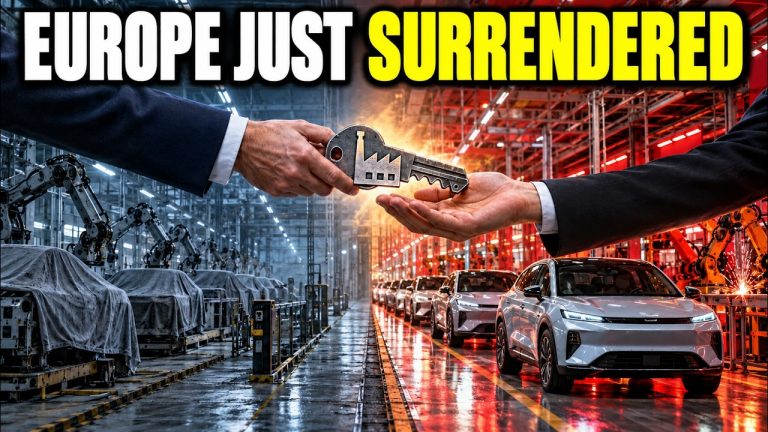
Nissan, Ford, and Volkswagen (VW) have begun transferring idle factory spaces in Europe to Chinese electric vehicle (EV) manufacturers as a strategic move to avoid imposing EU tariffs that can reach up to 35%. This initiative aims to utilize the capacity of legacy automotive brands that are no longer able to sustain production levels, highlighting a significant shift in the automotive landscape.
Chery, a prominent Chinese EV maker, has already taken over a former Nissan plant located in Barcelona and is reportedly in negotiations to acquire the Sunderland plant in the UK. Meanwhile, Geely, another major player in the EV sector, is said to be securing an assembly line at Ford’s Valencia plant in Spain. This collaboration allows Chinese brands to establish a foothold in the European market while simultaneously aiding European manufacturers in alleviating capacity issues.
Get the latest EV news first. Follow us on:
Strategic Factory Transfers
As the demand for electric vehicles surges globally, traditional automakers are facing challenges adapting their existing operations to this burgeoning market. The decision by Nissan, Ford, and VW to hand over manufacturing capabilities to Chinese brands is a response to both economic pressures and the need to remain competitive. With the EU’s strict regulations and tariffs, this approach presents a win-win scenario for both parties involved.
By allowing these factories to operate under Chinese brands, European automakers can sidestep hefty tariffs that would otherwise significantly impact their profitability. This arrangement also enables the Chinese EV makers to bypass the barriers that typically hinder market entry, such as tariffs and stringent regulations, thus expediting their growth in European territories.
Implications for the Automotive Industry
The collaboration signifies a major shift in the automotive industry, illustrating the rising influence of Chinese manufacturers on the global stage. As established brands like Nissan and Ford reallocate their resources, the dynamics of competition in Europe are likely to evolve, with Chinese companies poised to capture a larger market share.
Furthermore, this trend reflects the broader transition within the automotive sector towards electric vehicles, as consumers increasingly demand environmentally friendly options. The move is not just a tactical response to economic pressures; it also aligns with the global push towards sustainable transportation solutions.
Future Prospects
As more factories transition to Chinese ownership, the implications for local economies and job markets in Europe remain to be seen. While some may argue that this move will ultimately lead to job losses in traditional automotive roles, proponents contend that it could create new opportunities within the growing EV sector, particularly in manufacturing and technology development.
The success of these collaborations will depend on how well both legacy brands and Chinese manufacturers can integrate their operations and share expertise. The long-term impact on the automotive landscape will likely hinge on consumer acceptance of these brands and their products in the European market.
In conclusion, the handover of European factories to Chinese EV makers by Nissan, Ford, and VW represents a strategic adaptation to the changing dynamics of the automotive industry. As the demand for electric vehicles continues to rise, this partnership could reshape the competitive landscape in Europe, paving the way for an influx of new technologies and innovations in the years to come.
Watch the full video on YouTube: Why Nissan, Ford and VW Are Handing Their Factories to Chinese EV Brands
