

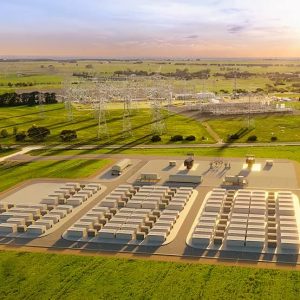
Australia is poised to significantly expand its big battery capacity, doubling it to over 19 gigawatts (GW). This ambitious growth in energy storage is set to enhance the country’s ability to harness solar energy during the day and provide a crucial buffer during peak evening demand. The shift is expected to displace up to 6 GW of coal generation, fundamentally altering the energy landscape and pushing aging coal power stations closer to retirement.
Doubling Big Battery Capacity
The planned increase in Australia’s big battery capacity is a direct response to the rising demand for renewable energy solutions. With over 19 GW of battery storage, the country aims to capture excess solar energy generated during the day, allowing for more efficient use of this renewable source. This development is not just about enhancing capacity; it represents a strategic move to flatten out the price spikes typically seen in wholesale electricity markets, which have historically benefitted fossil fuel generators like coal plants.
Get the latest EV news first. Follow us on:
Impact on Coal Generation
As battery storage capabilities expand, the impact on coal generation is expected to be profound. The integration of large-scale batteries allows for the absorption of solar energy when production is high and its redistribution during peak hours, effectively displacing up to 6 GW of coal generation. This transition is anticipated to significantly reduce the profit margins for older coal power stations, which have struggled to compete in a market increasingly dominated by renewable energy sources. Consequently, the financial viability of these aging coal plants is in jeopardy, accelerating their potential retirement from the grid.
Market Dynamics and Renewable Energy Growth
The rapid rollout of battery storage technology is set to reshape the dynamics of the Australian energy market. By mitigating the price volatility associated with peak energy demand, batteries will help stabilize electricity prices and encourage further investment in renewable energy infrastructure. This shift not only supports Australia’s commitment to reducing carbon emissions but also paves the way for a more resilient and sustainable energy system.
Call to Action and Community Engagement
In light of these developments, the video encourages viewers to engage with the renewable energy community. It invites individuals to join platforms like Amber, offering a referral code for a $120 credit, and promotes various resources for comparing solar energy options and home battery systems. The Electric Viking, the channel behind the video, also emphasizes the importance of community involvement through its Patreon and membership programs, fostering a space for discussions around energy transition and sustainability.
Conclusion
Australia’s doubling of big battery capacity marks a significant milestone in the country’s energy transition. By harnessing the potential of renewable energy and reducing reliance on coal, Australia is not only positioning itself as a leader in sustainable energy but also setting a precedent for other nations. As the landscape continues to evolve, the push for cleaner energy solutions will likely gain momentum, further diminishing the role of traditional fossil fuels in the energy mix.
Watch the full video on YouTube: Australia Is Doubling Its Big Batteries and Coal Plants Can’t Survive It
