
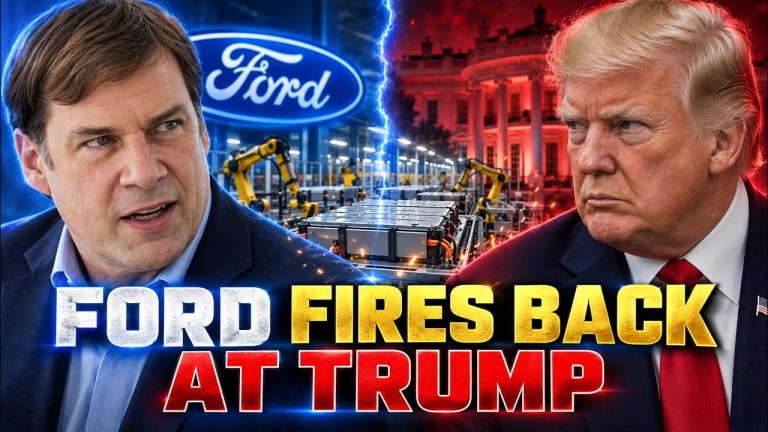
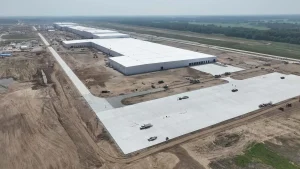
Ford Motor Company’s BlueOval Battery Park in Marshall, Michigan, has become a focal point of controversy as it stands as the first U.S. facility designed specifically for the production of lithium iron phosphate (LFP) batteries. This initiative, which utilizes technology licensed from the Chinese battery manufacturer CATL, is now facing scrutiny from lawmakers due to federal regulations regarding “foreign entities of concern.” These concerns threaten the plant’s eligibility for crucial manufacturing incentives, raising questions about its economic viability and future.
Background on the BlueOval Battery Park
Located in Marshall, Michigan, Ford’s BlueOval Battery Park represents a significant step in the U.S. electric vehicle (EV) landscape. The plant aims to produce LFP batteries, a type of battery known for its stability, safety, and cost-effectiveness. LFP batteries are increasingly favored in the EV sector as they offer a more sustainable and less expensive alternative to traditional lithium-ion batteries, which often use cobalt and nickel. Ford’s investment in this technology is part of a broader strategy to enhance domestic battery production and reduce reliance on foreign suppliers.
Get the latest EV news first. Follow us on:
Regulatory Challenges
Despite the ambitious goals of the BlueOval Battery Park, the project has encountered legislative pushback due to its ties to CATL, a Chinese company identified as a “foreign entity of concern” by U.S. lawmakers. This classification stems from ongoing geopolitical tensions and concerns over national security. As a result, there are growing fears that the plant may not qualify for federal EV and battery tax credits, which are vital for its financial sustainability. Lawmakers are expressing apprehension that financial incentives linked to the production of batteries at the plant could indirectly support a foreign adversary.
Impact on Manufacturing Incentives
The uncertainty surrounding the plant’s eligibility for tax credits poses a significant risk to its overall economic framework. Manufacturing incentives play a crucial role in attracting investment and ensuring the profitability of new ventures. Should the BlueOval Battery Park be deemed ineligible for these incentives, it could lead to severe financial repercussions for Ford and hinder the broader goal of boosting American manufacturing capabilities in the EV sector. Analysts suggest that without these incentives, the plant may struggle to compete against other battery production facilities that have fewer regulatory hurdles.
Ford’s Response and Future Outlook
As the situation unfolds, Ford has yet to publicly comment in detail on the potential impact of these regulatory challenges. However, the automaker’s commitment to ramping up EV production is evident in its strategic investments and partnerships aimed at enhancing battery technology and supply chain resilience. The company remains optimistic about the future of the BlueOval Battery Park and its role in the transition to electric vehicles in the U.S.
Conclusion
The establishment of Ford’s BlueOval Battery Park marks a significant milestone in the American EV manufacturing landscape. However, the looming regulatory challenges tied to foreign partnerships could jeopardize its operational viability. As federal lawmakers continue to evaluate the implications of foreign involvement in U.S. manufacturing, the future of this pioneering plant remains uncertain. Stakeholders in the automotive and battery sectors will be closely monitoring developments as they unfold, with the hope that a resolution will support the growth of domestic EV production.
Watch the full video on YouTube: Ford Built America’s First LFP Battery Plant — Now The Government Wants It KILLED
