

In January 2024, Ethiopia immediately banned the import of petrol and diesel cars, a move that no wealthy nation has yet attempted. Nearly three years on, the results are striking: Ethiopia’s electric vehicle fleet has grown from about 7,000 in 2023 to around 140,000 by March 2026. More than six out of every ten new vehicles registered in 2024 were electric, and that proportion has since risen further as restrictions extended to diesel trucks as well.
Why Ethiopia Banned Petrol and Diesel Cars
Sam Evans points out that Ethiopia’s decision was driven primarily by economics, not climate policy. The country has no domestic oil production and was spending about $4.2 billion (~AUD 6.13 billion) a year importing fuel. Petrol queues were common, sometimes costing drivers half a day just to refuel. In contrast, more than 90% of Ethiopia’s electricity comes from renewable sources, mainly hydroelectric power, and the country recently completed the Grand Ethiopian Renaissance Dam, Africa’s largest hydro plant.
By replacing imported petrol with local electricity, both the country and its drivers save money. The government’s tax policy made the switch even more attractive: petrol cars faced taxes up to 200%, fully built electric cars were taxed at 15%, and locally assembled EV kits were tax-free. So if companies like Geely or BYD send their cars to Ethiopia for local assembly, they pay zero tax.
Get the latest EV news first. Follow us on:
China’s Role and the EV Import Boom
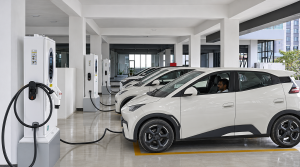
Chinese automakers quickly filled the gap left by the ban. Africa imported about 44,000 EVs from China last year, with Ethiopia alone accounting for one third of those imports. The shift has been dramatic for Ethiopian drivers, who previously spent about $27 (~AUD 39.40) a month on petrol. Now, according to the Africa E-Mobility Alliance, the average EV owner spends just $4 (~AUD 5.84) a month on charging—about $1.50 (~AUD 2.19) a week.
Energy Security and Resilience
This year, Ethiopia’s EV fleet faced a major test when conflict involving Iran effectively closed the Strait of Hormuz, disrupting petrol supplies and bringing back long queues. However, the 140,000 electric vehicle owners were unaffected, which Sam says demonstrates real energy security in action. With local renewable electricity powering most EVs, drivers were insulated from international fuel disruptions.
Next Steps: Scaling Up and Challenges
Ethiopia is now aiming for 500,000 EVs by 2030. The state power company recently partnered with Huawei and two other Chinese firms to plan charging infrastructure for heavy electric trucks on the key highway to Djibouti’s port, which handles nearly all of Ethiopia’s trade. However, Sam notes that charging stations remain concentrated in the capital, blackouts still occur, and around 85 million Ethiopians have no electricity at all. This means EV adoption is outpacing infrastructure development, a challenge also seen in countries like Australia.
Implications for Ethiopia’s Future
Sam highlights that Ethiopia has only 13 vehicles per 1,000 people, compared to over 700 in Australia and the US. Most Ethiopians will likely never own a petrol car, but they may own an EV, skipping petrol vehicles entirely—much like how Africa bypassed landlines in favor of mobile phones. While wealthier countries debate future bans, Ethiopia has already acted and is seeing rapid change as a result.
