
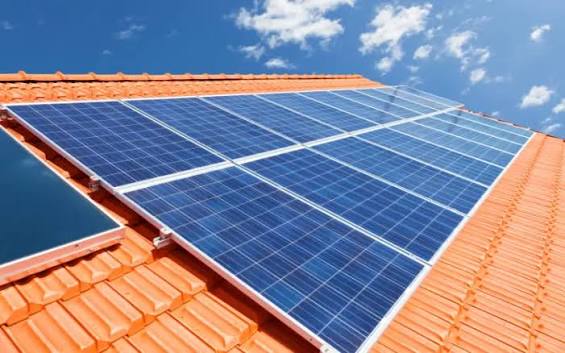
Spain should speed up electrification to make better use of its growing renewable power supply, the International Energy Agency (IEA) said. Switching more transport, heating and industry to electricity could build on renewables’ benefits of lower wholesale prices and less reliance on imported fuel.
Electric cars and electricity prices
Spain aims to raise electricity’s share of final energy consumption from 25% to 35% by 2030. In 2023, 10% of cars sold were electric; uptake of EVs is still relatively limited, especially within corporate fleets.
Taxes, levies and network charges keep electricity prices high for consumers, while fossil fuels face lower charges. Spain abolished its electricity production tax in 2026. The IEA said rebalancing energy prices could encourage electrification and strengthen industrial competitiveness while protecting vulnerable consumers.
Get the latest EV news first. Follow us on:
Petroleum products supply 95% of the energy used in road transport, and fossil fuel consumption across transport remains high. Fossil-fuel heating is also widespread, although heat pump installations are increasing. Switching industry to electricity supports competitiveness, but upfront investment costs are high.
Renewables have cut fuel imports
Renewables supplied 35% of Spain’s electricity generation in 2015, passed 50% in 2023 and reached 56% in 2025. Their share has doubled since 2016, placing Spain among Europe’s leaders. Wind and solar together supplied 40% of total electricity generation in 2023.
Renewable electricity capacity reached 119 GW in 2025, more than double its 2015 level. Renewables prevented Spain from needing nearly 40% more natural gas imports to generate power in 2024, which would have added $26B (~AUD 38.4B) to costs. Even so, imports accounted for almost 70% of total energy consumption that year.
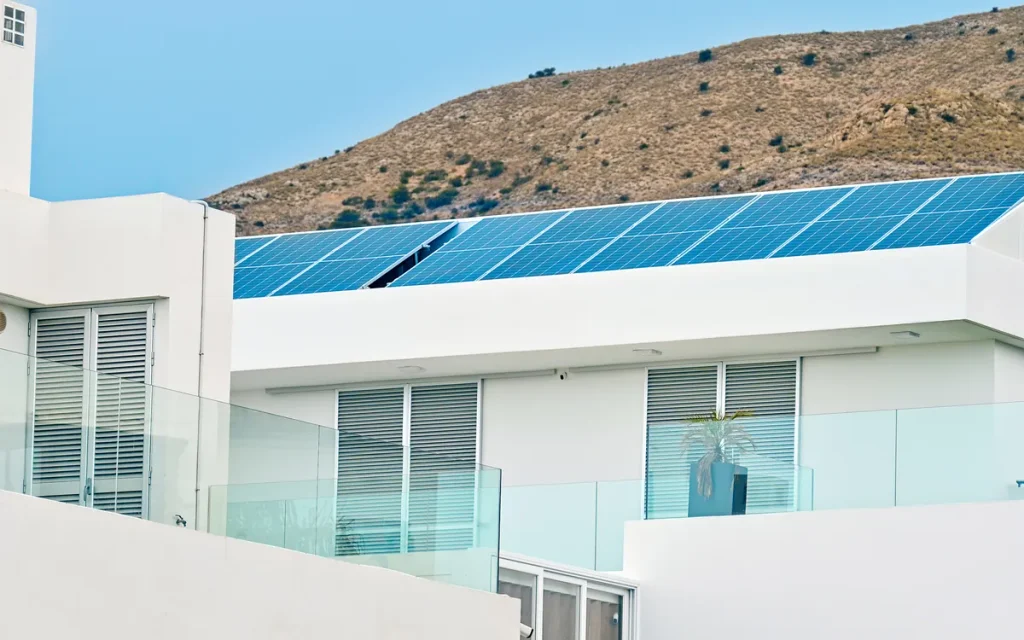
Spain’s emissions fell by around one-fifth between 2015 and 2025, with reductions in the power sector making a major contribution. Energy intensity improved by 2.4% a year over the last decade, but the IEA recommended faster progress.
Spain has a solid energy and climate policy framework, with an approach focused on a just transition. The IEA described Spain’s renewable progress as demonstrating benefits for energy security, competitiveness and social inclusion.
Preparing the grid for rising demand
Electrification is expected to increase electricity demand from 233 TWh in 2022 to a projected 316 TWh in 2030 and 350 TWh in 2035. The IEA called for the grid to be expanded and strengthened, alongside greater use of digital technology in the energy system. Electricity connections with France are limited to 2.8 GW.
Spain has 5.8 GW of pumped hydro capacity, growing battery storage capacity and significant potential to shift electricity use between different times. It has launched reforms to accelerate storage, encourage more flexible demand and adapt grid rules. The IEA recommended increasing storage capacity further.
Spain’s national climate commitment targets 48 GW of wind and 76 GW of solar capacity by 2030. The IEA recommended accelerating additions of both technologies. Advancing infrastructure alongside a balanced portfolio of hybrid, wind and solar projects could make renewable integration easier and bolster the security and resilience of the energy system.
Managing nuclear power and grid resilience
Spain’s April 2025 blackout highlighted the need to make its electricity system more resilient. The IEA said the planned nuclear phase-out must be managed carefully to maintain security of supply.
A lifetime extension for the Almaraz nuclear power plant was approved. The IEA recommended a transparent framework for deciding nuclear lifetime extensions case by case, weighing their costs and benefits.
Why it matters
For EV buyers and fans, the report highlights the gap between Spain’s renewable power growth and its limited uptake of electric cars. It also points to high electricity charges as a barrier to electrification. The IEA said accelerating electrification, modernising grids, increasing flexibility and managing the nuclear phase-out could offer lessons for other countries.
Key Specs
- Renewable share of electricity generation in 2025: 56%
- Renewable electricity capacity in 2025: 119 GW
- Electric car share of car sales in 2023: 10%
- Target electricity share of final energy consumption by 2030: 35%
- Projected electricity demand in 2030: 316 TWh
- Wind capacity target by 2030: 48 GW
- Solar capacity target by 2030: 76 GW
✎ Images and news sourced from: Sanitas Health Insurance, iea.org, cleantechnica.com, miragenews.com, ognnews.com, eldiario.es, europapress.es, larepublica.co, xataka.com, elperiodicodelaenergia.com.
