
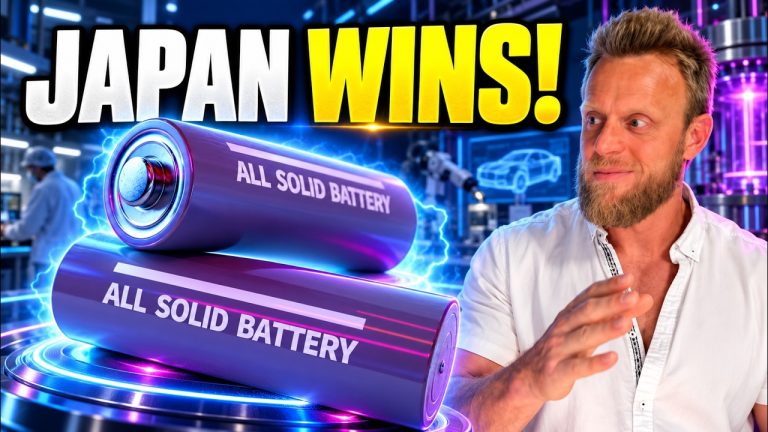
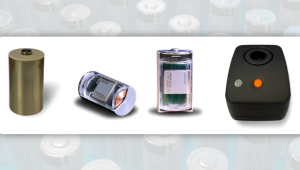
Maxell has unveiled a groundbreaking rechargeable solid-state battery that is designed to charge wirelessly through sealed walls while withstanding extreme temperatures of up to 150°C. This innovative technology, resembling a common industrial battery in size, is particularly suited for applications in harsh environments, such as food sterilization loggers and Internet of Things (IoT) sensors. The significant advancement in battery technology aims to eliminate the need for charging ports, allowing devices to remain fully sealed and operational in challenging conditions.
Technology Overview
The newly developed battery by Maxell leverages solid-state technology, which is known for its improved safety and efficiency compared to traditional lithium-ion batteries. One of the key features of this battery is its ability to charge wirelessly, which means that devices can be powered without the need for physical connectors. This is particularly advantageous in environments where hygiene and durability are paramount, such as in medical or food processing industries where equipment must be regularly sterilized.
Get the latest EV news first. Follow us on:
Durability and Temperature Resistance
Maxell’s solid-state battery can endure temperatures as high as 150°C, a significant advantage that sets it apart from conventional batteries, which typically have lower temperature tolerances. This capability allows the battery to maintain performance and safety in extreme conditions, making it an ideal choice for industrial applications that experience high heat, such as machinery and equipment used in food sterilization.
Applications and Market Potential
The introduction of this battery technology opens up numerous possibilities within the industrial sector. Its wireless charging feature means that devices can be completely sealed, reducing the risk of contamination and enhancing the longevity of the equipment. Potential applications include IoT sensors that monitor environmental conditions, food sterilization loggers that ensure safe processing, and other industrial devices that require reliable power sources in extreme conditions.
Future Implications
As industries increasingly adopt IoT technologies and seek to improve efficiency and safety, Maxell’s innovative battery could play a crucial role in advancing the capabilities of connected devices. By eliminating the need for charging ports and providing robust performance in high-temperature environments, this battery technology could become a standard in sectors where reliability and hygiene are critical.
Conclusion
Maxell’s development of a solid-state battery that can charge wirelessly through sealed walls and withstand high temperatures represents a significant leap forward in battery technology. This innovation not only enhances the functionality of devices used in challenging environments but also addresses critical safety and hygiene concerns. As industries continue to evolve, the adoption of such advanced energy solutions may become essential for maintaining competitive advantages in the market.
Watch the full video on YouTube: Maxell’s solid-state battery charges wirelessly through sealed walls — and survives 150°C
