
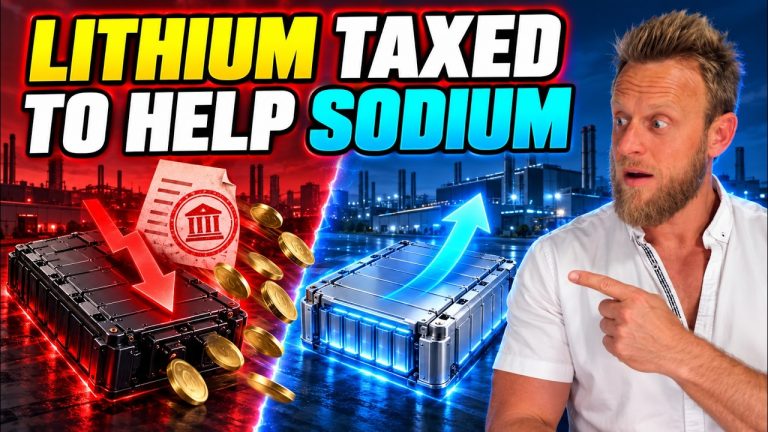
China has announced the conclusion of an 11-year tax exemption on lithium-ion batteries, effective September 1, 2026. This policy shift will see a consumption tax imposed at 2%, which will escalate to 4% in 2027. In contrast, sodium-ion batteries, solid-state batteries, and fuel cells will remain exempt from taxes through 2028. This strategic decision is part of China’s efforts to manage lithium overcapacity and mitigate ongoing price wars in the battery market.
While the new tax does not make sodium-ion batteries cheaper than lithium-ion batteries outright—given that sodium-ion production costs are still higher—it significantly narrows the cost gap. This change provides a competitive edge for sodium-ion technology as major manufacturers, including CATL and BYD, race towards mass production and wider market adoption.
Get the latest EV news first. Follow us on:
Implications for the Battery Market
The imposition of a tax on lithium-ion batteries is a significant move, especially considering the current global push towards electric vehicles (EVs) and renewable energy solutions. By taxing lithium-ion batteries, China aims to address the issues of overproduction and the resulting price competition that has characterized the industry in recent years. This shift will likely encourage both manufacturers and consumers to explore alternative battery technologies, including sodium-ion, which are now gaining traction in the market.
According to industry analysts, while lithium-ion batteries have dominated the market, the tax could lead to a more diversified battery ecosystem. Sodium-ion batteries, while still in their early stages of commercial viability, are seen as a promising alternative due to their potential for lower costs and abundant raw materials.
Competitive Landscape
The race to mass-produce sodium-ion batteries is intensifying, with major players like CATL and BYD leading the charge. Both companies are investing heavily in research and development to enhance the efficiency and reduce the production costs of sodium-ion technology. The tax exemption for sodium-ion batteries until 2028 will provide these manufacturers with a crucial head start in the market, allowing them to innovate and scale production without the immediate financial burden of taxation.
As the battery market evolves, the impact of this tax policy will be closely monitored by industry stakeholders. The potential for sodium-ion batteries to become a feasible alternative to lithium-ion batteries could reshape the landscape of energy storage and electric mobility.
Looking Ahead
The decision to tax lithium-ion batteries while exempting sodium-ion and other emerging technologies reflects China’s broader strategy to transition towards more sustainable energy solutions. As global demand for EVs continues to rise, the ability to produce cost-effective and efficient batteries will be critical for manufacturers. The upcoming changes in the tax policy signify a pivotal moment in the battery industry’s evolution, with new opportunities arising for innovative technologies.
As the situation develops, stakeholders in the battery and electric vehicle sectors will need to stay informed and adapt to these changes. The competitive advantage that sodium-ion batteries may gain as a result of this policy could lead to significant shifts in market dynamics and consumer choices.
Watch the full video on YouTube: China Just Taxed Lithium Batteries — And Made Sodium-Ion Cheaper Overnight
