
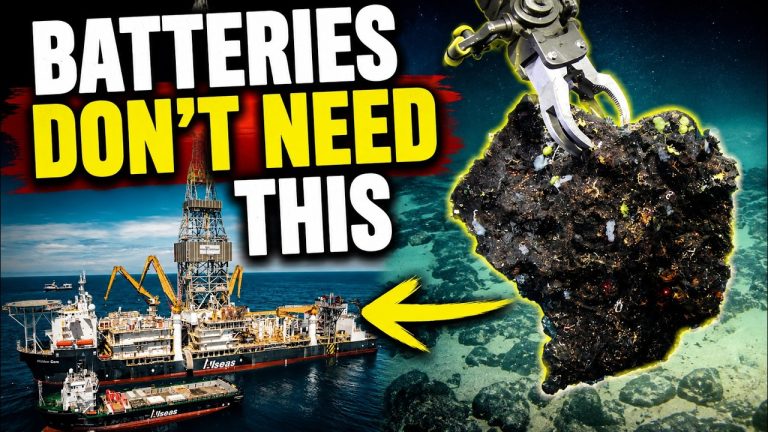
The Trump administration’s Interior Department is preparing to auction the first-ever commercial deep-sea mining leases in U.S. federal waters, with the initial auction tentatively set for November 19, 2026. This significant move targets polymetallic nodules located in American Samoa’s waters, followed by prospective areas in the Northern Mariana Islands and Alaska. The auction focuses on extracting valuable minerals such as nickel, cobalt, copper, and manganese, which are essential in various industries, including electronics and clean energy technology.
Deep-Sea Mining Leases: A New Frontier
The proposed leases mark a pivotal moment in the U.S. approach to deep-sea mining, a sector that has been largely unregulated until now. The Interior Department’s initiative reflects a growing interest in the economic potential of the ocean floor, particularly as demand for critical minerals surges. These minerals are not only integral to the production of electric vehicle (EV) batteries but also play a crucial role in various technological applications.
Get the latest EV news first. Follow us on:
Targeted Minerals and Their Significance
The polymetallic nodules that the auctions will target are rich in key minerals: nickel, cobalt, copper, and manganese. Nickel and cobalt are especially vital for the production of lithium-ion batteries used in electric vehicles, while copper is essential for electrical wiring and electronics. Manganese, on the other hand, is used in steel production and other industrial processes. As the world shifts towards cleaner energy solutions, the demand for these minerals is expected to increase significantly.
Environmental Concerns and Conservation Efforts
While the economic benefits of deep-sea mining appear promising, environmental concerns are rising among conservationists and scientists. The process of mining the ocean floor can potentially cause significant harm to marine ecosystems, disrupting habitats and affecting biodiversity. Critics argue that the long-term environmental impacts are not yet fully understood, and there is a call for more comprehensive studies before proceeding with such initiatives.
Regulatory Landscape and Future Implications
The forthcoming auctions underscore a shift in U.S. mining policy, aimed at tapping into underutilized resources while balancing economic growth and environmental stewardship. The Interior Department’s actions may set a precedent for future mining ventures and regulatory frameworks governing ocean resources. As the U.S. navigates this new terrain, the outcomes of these auctions could influence global practices in deep-sea mining and resource management.
Industry Reactions and Stakeholder Perspectives
Stakeholders in the mining and clean energy sectors are closely monitoring the developments surrounding the auction. Proponents of deep-sea mining argue that it presents a sustainable alternative to terrestrial mining, which often has more severe environmental impacts. Meanwhile, environmental advocates caution against proceeding without robust safeguards and comprehensive impact assessments to ensure that marine environments are not irrevocably damaged.
The auction of deep-sea mining leases signifies an important crossroads for the United States as it seeks to harness the ocean’s resources amid rising demands for critical minerals. As the date for the auction approaches, discussions surrounding the balance between economic opportunity and environmental responsibility will continue to intensify.
Watch the full video on YouTube: America Is About to Auction the Ocean Floor — For Minerals EVs Don’tt Even Need
