
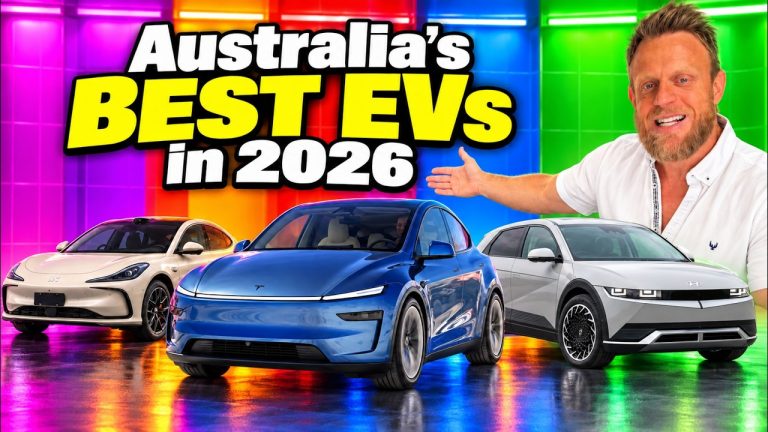
According to YTD sales data released by The Driven, the Australian electric vehicle (EV) market is being led by the Tesla Model Y, which has recorded an impressive 31,454 units sold as of August 2026. Following closely is the BYD Sealion 7 with 17,277 units, while the Geely EX5 takes the third spot with 10,737 units sold. Other notable contenders include the Zeekr 009 at 9,172 units and the Omoda Jaecoo J5 with 8,910 units. This data highlights a significant trend in Australia’s automotive landscape, where Chinese-linked brands are making substantial inroads into the rapidly growing EV sector.
In terms of overall brand performance, BYD has emerged as the frontrunner with a total of 39,302 units sold, just ahead of Tesla, which has recorded 36,051 units. Geely, incorporating brands such as Zeekr, Volvo, and Polestar, ranks third with 26,401 units sold. This shift indicates a growing preference among Australian consumers for electric vehicles from Chinese manufacturers, reflecting the global trend of increasing EV adoption.
Get the latest EV news first. Follow us on:
Market Dynamics and Consumer Preferences
The dominance of the Tesla Model Y in the Australian market can be attributed to its robust performance, brand recognition, and the increasing infrastructure supporting EV charging across the country. Tesla’s consistent innovation and updates have also kept it at the forefront of consumer preferences, leading to high demand.
In contrast, BYD’s rise can be linked to its extensive model range and competitive pricing. The BYD Sealion 7, for instance, appeals to a diverse consumer base looking for quality and affordability in the EV segment. Similarly, Geely’s strategy of leveraging partnerships and expanding its offerings has garnered significant attention and sales in Australia.
Future Trends in Electric Vehicles
As the EV market continues to evolve, analysts predict that sales will only increase, driven by advancements in technology, growing environmental awareness, and supportive government policies. The ongoing competition among brands is expected to lead to better pricing, enhanced features, and improved charging infrastructure, further incentivizing consumers to switch to electric vehicles.
For those interested in deepening their understanding of the EV landscape, the video creator encourages viewers to engage with their content through various platforms, including booking consultations, signing up for newsletters, and following on social media. Additionally, the creator provides links to resources for comparing solar energy solutions and EV chargers, emphasizing the interconnectedness of renewable energy and electric vehicles.
Engagement and Community Building
The video also highlights opportunities for viewers to connect with the creator through platforms like Patreon and YouTube memberships, where they can access exclusive content and early releases. This approach fosters a community of EV enthusiasts and consumers eager to stay informed about the latest trends and developments in the electric vehicle market.
As electric vehicle sales continue to climb in Australia, the landscape is set for further transformation, with an increasing number of options available to consumers and a shift in market dynamics favoring brands that can adapt to consumer needs and technological advancements.
Watch the full video on YouTube: Australia’s TOP 20 Electric Cars Ranked for 2026 – My personal Favourites
