
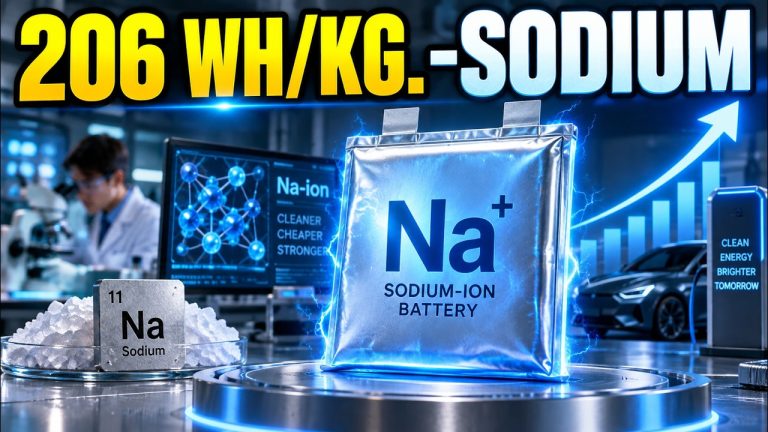
A new sodium-ion battery with an energy density of 206 Wh/kg may soon bridge the gap in performance compared to lithium iron phosphate (LFP) batteries, according to recent developments in battery technology. Researchers have successfully demonstrated this innovation in a laboratory setting using pouch cells, although the battery is not yet commercially available, and its long-term durability remains to be validated.
Cost and Economic Viability
The cost of sodium-ion batteries is a critical factor in their potential adoption. While specific pricing details for the new 206 Wh/kg battery are not yet available, the expectation is that the use of sodium, a more abundant and less expensive material compared to lithium, could lead to significantly lower production costs. This economic advantage may make sodium-ion batteries an attractive option for consumers and manufacturers alike, particularly in the electric vehicle (EV) market.
Get the latest EV news first. Follow us on:
Cycle Life and Durability
One of the key challenges facing new battery technologies is their cycle life, which refers to the number of charge and discharge cycles a battery can undergo before its capacity significantly diminishes. The durability of the new sodium-ion battery has yet to be proven through extensive testing. Researchers are focused on understanding how well this battery can perform over time, which will be crucial for its acceptance in the market, especially in applications like electric vehicles where reliability is paramount.
Range and Energy Density
With an energy density of 206 Wh/kg, this new sodium-ion battery shows promise in increasing the range of electric vehicles. Energy density is a vital specification as it directly impacts how far a vehicle can travel on a single charge. If the long-term testing proves successful, it could provide a competitive alternative to current battery technologies, helping to address range anxiety among potential EV users.
Production Timeline
As of now, there is no definitive timeline for when the 206 Wh/kg sodium-ion batteries will be available for commercial purchase. Researchers and manufacturers are still in the early stages of development, with ongoing studies needed to establish both the durability and economic viability of the technology. Observers in the field remain optimistic that advancements in production techniques and materials science could accelerate the timeline for market release.
Future Availability
Given the current state of research and development, consumers and industry stakeholders are eagerly awaiting updates on the availability of the new sodium-ion battery. The industry is abuzz with potential, as the successful commercialization of this technology could lead to a paradigm shift in energy storage solutions, particularly for electric vehicles and renewable energy applications.
For those interested in staying updated on this emerging technology and other developments in the field, resources such as newsletters and consultations with industry experts are available. Additionally, various platforms provide insights and analyses on energy storage technologies, emphasizing the importance of being informed about advancements that could impact the future of energy consumption and storage.
In summary, the introduction of the 206 Wh/kg sodium-ion battery represents a significant step forward in battery technology. While challenges remain concerning its commercial viability and long-term performance, the potential benefits of this innovation could revolutionize the electric vehicle market and beyond.
Watch the full video on YouTube: The 206 Wh/kg Sodium Battery: What It Costs, How Long It Lasts, When You Can Buy One
