
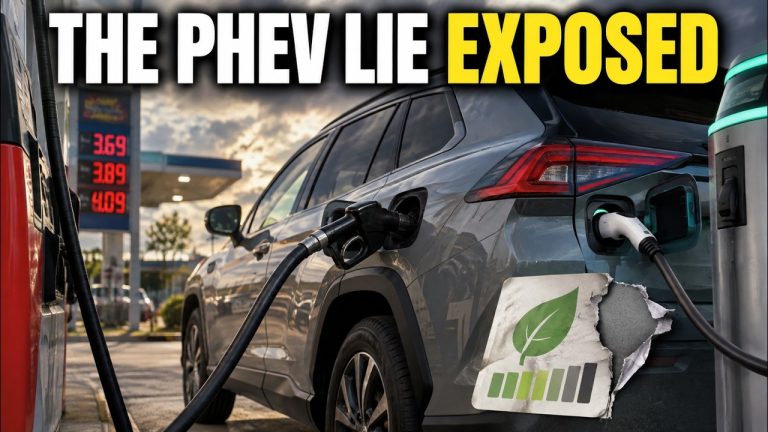
A recent study conducted by the Fraunhofer Institute has revealed alarming discrepancies between the fuel consumption of plug-in hybrid electric vehicles (PHEVs) in real-world conditions and the figures provided on official labels. The research, which analyzed data from nearly one million European PHEV owners between 2021 and 2023, found that the actual fuel consumption averaged between 5.9 to 6.1 liters per 100 kilometers. This figure is approximately three times higher than the official Worldwide Harmonized Light Vehicles Test Procedure (WLTP) ratings of 1.5 to 2 liters per 100 kilometers, even when accounting for the charging habits of users.
Understanding the Discrepancy
The significant gap in reported fuel consumption stems largely from how often the combustion engine activates during actual driving conditions. The WLTP testing process assumes a certain share of driving will occur in electric mode, which does not align with the reality faced by many drivers. This inconsistency has prompted researchers to urge a comprehensive overhaul of the European Union’s testing standards and emissions-credit rules related to PHEVs.
Get the latest EV news first. Follow us on:
Call for Regulatory Changes
Experts are advocating for a reassessment of the current regulatory framework governing PHEVs to ensure that emissions and fuel consumption figures reflect real-world driving conditions more accurately. The study’s findings highlight the need for reforms that could lead to more stringent testing protocols and realistic emissions credits that align with actual vehicle performance.
Implications for Consumers
This discrepancy in fuel consumption may lead consumers to question the true environmental benefits of PHEVs. Many buyers are drawn to these vehicles under the impression that they are significantly more fuel-efficient and eco-friendly than traditional combustion engine cars. However, the reality could suggest otherwise, with PHEVs potentially producing emissions that are six times higher than what official tests claim.
Industry Response
The automotive industry faces increasing scrutiny as these findings become more widely known. Manufacturers may need to reassess their marketing strategies and potentially adjust their vehicle designs to improve efficiency and reduce emissions. This situation calls into question the effectiveness of current incentives for PHEV ownership and whether these vehicles can genuinely contribute to reducing greenhouse gas emissions in the long term.
As the conversation around vehicle emissions and environmental impact continues to evolve, the outcomes of this study may serve as a catalyst for change within the automotive sector and regulatory bodies across Europe.
For those interested in the broader implications of electric vehicles and renewable energy, resources such as The Electric Viking offer additional insights. The platform provides a range of services, including consultations, newsletters, and comparisons for solar and EV products, which can be accessed through their website. Additionally, users can connect with The Electric Viking across various social media platforms to stay updated on the latest developments in the electric vehicle industry.
In conclusion, the findings from the Fraunhofer Institute study not only highlight a critical issue within the PHEV market but also pave the way for necessary discussions regarding regulations, consumer expectations, and the future of sustainable transportation.
Watch the full video on YouTube: Why Your Plug-In Hybrid Uses 3 Times More Fuel Than the Sticker Says
