
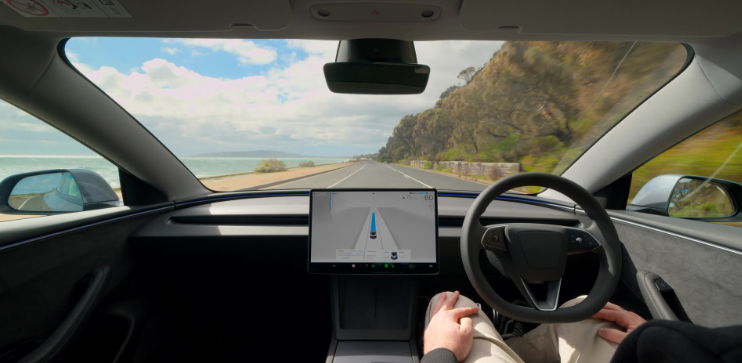
Tesla’s 2026.44.1 software rollout is underway, bringing supervised Full Self-Driving builds for both older and newer driving computers to North America. The update also changes the charging map, adds more third-party fast-charger locations and introduces Automatic Collision Evasion for vehicles with fourth-generation driving hardware.
Two FSD builds, depending on the computer
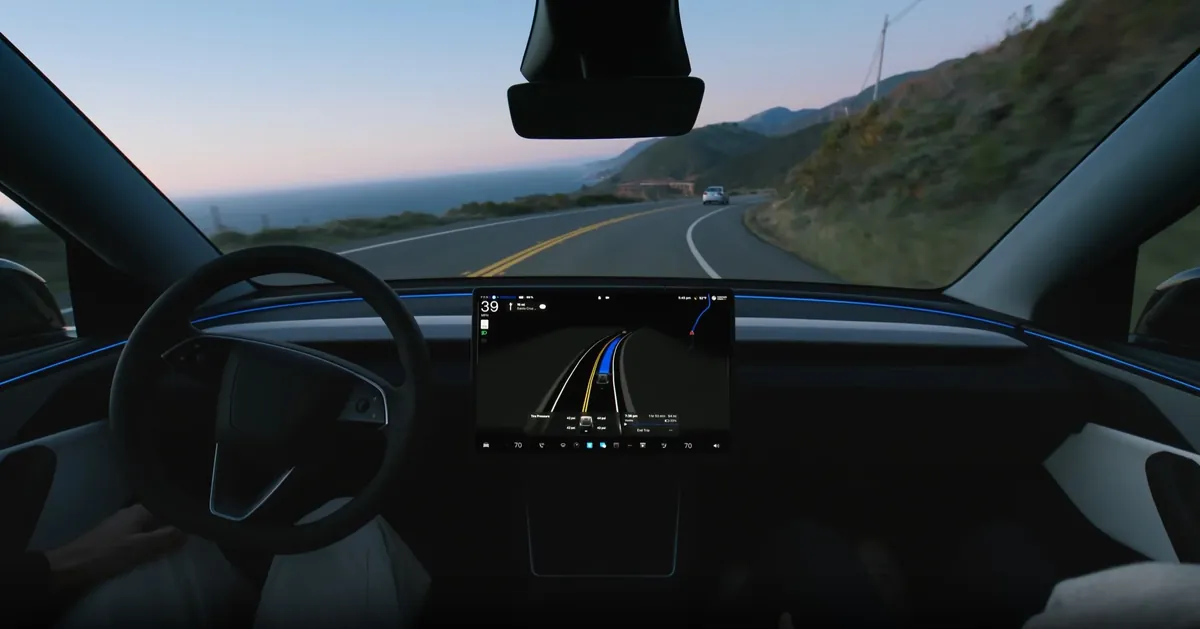
Vehicles with Tesla’s fourth-generation driving computer receive FSD v14.3.13, while those with the third-generation computer receive v14.3 Lite. This is a software-branch transition rather than a new FSD generation: the newer-hardware build is familiar, and both branches appear stabilised.
The Lite software uses a reduced driving stack adapted to the installed hardware, rather than the full newer-hardware model squeezed in unchanged. Its inclusion continues maintenance of Tesla’s older fleet. Tesla did not raise the Lite version number, and those cars may still receive background tuning and fixes without a different visible label.
Get the latest EV news first. Follow us on:
Automatic Collision Evasion can invoke FSD to help avoid a collision while someone is driving manually or after an unintentional disengagement. An attentive driver remains necessary with FSD, which does not give the vehicle autonomous capability.
The update reportedly includes upgraded neural networks and a self-driving model drawing on consumer FSD, Actually Smart Summon and commercial Robotaxi models.
A clearer view of charging stops
The redesigned Charger Network View groups charger pins at normal map zoom levels and displays network coverage when zoomed out. This map change may be the first addition owners notice.
The route view presents relevant stations ahead, reducing repeated zooming and tapping. The map displays MultiPass pricing and charging operators; meanwhile, individual sites and route-specific choices replace the broad network list as the location of the lightning-bolt control.
Code reportedly points to further Supercharger queue changes, a smart charging mode and revised battery preconditioning. It also reportedly references alerts for Supercharger price changes while travelling to a station, although those alerts are not live.
Interface, security and Grok changes
Tesla’s release notes describe “important security fixes and improvements”. In car properties, the AI computer is renamed SI Computer; this is a label change, not a chip replacement. Tesla has not published an explanation for the new name.
The Service menu reportedly gains Maintenance and Actions tabs. A Grok button reportedly appears in the navigation search bar without being listed in the release notes, and code reportedly points to an option to favour major roads.
Grok conversation history is reportedly accessible through its mobile app and website for logged-in users. Code reportedly references phone access to chat history, although the release date and scope of cross-device history are reportedly unconfirmed.
Other reported internal changes include a Linux operating-system kernel update from 5.4.302 to 6.18.38 and a new wake-word implementation using an on-device model. Code referring to Soda music is also reportedly present, but remains unconfirmed.
Rollout timing and the holiday update
The 2026.44 branch reportedly received its first release when the update started rolling out on November 17. Tracking service Teslascope reportedly observed installations from November 16, expanding on November 18, with cars appearing across North America, Europe and Taiwan.
For one Wednesday wave, Teslascope recorded both the hardware mix and the size. Well over a thousand tracked cars can reportedly be added in just one wave.
Tesla distributes software in waves, with timing affected by model, region, configuration and the previous software branch. One package can also contain hardware- and region-specific features, so owners should check their car’s release notes for enabled additions.
Tesla’s holiday update is expected in December, with bigger features likely being saved for it; some referenced additions could reportedly arrive then. The FSD and regular update tracks are expected to split again as newer driving versions arrive.
Why it matters
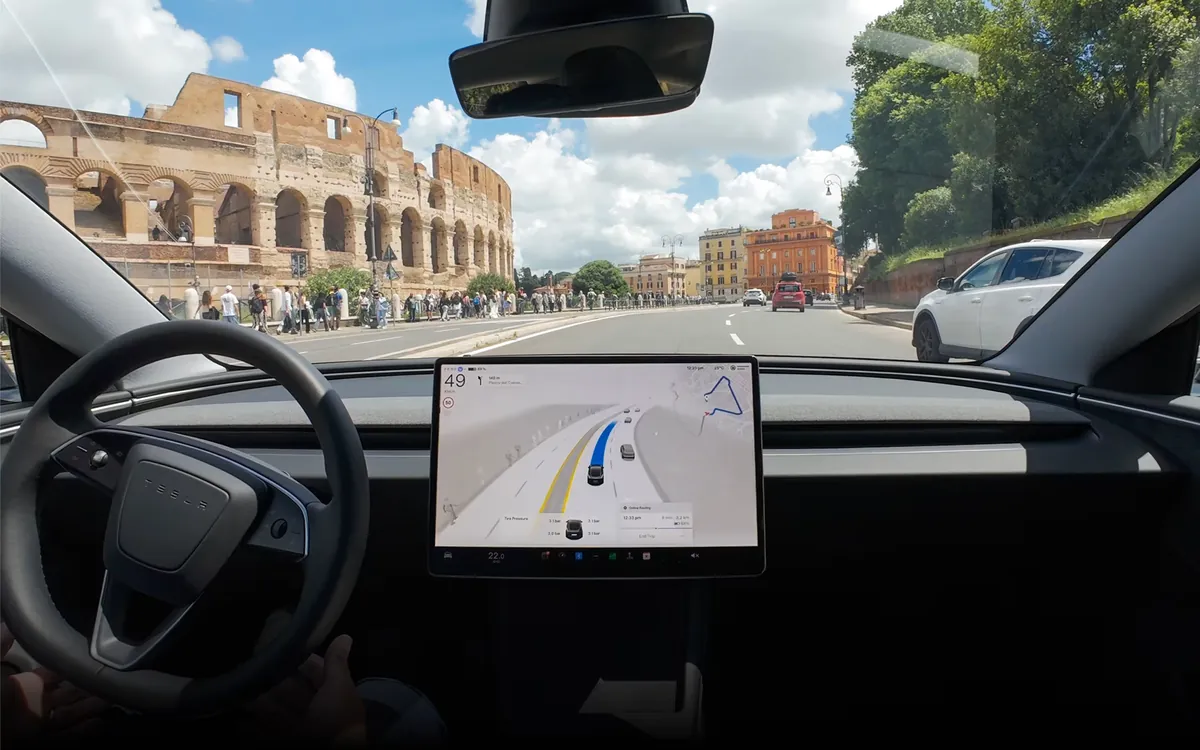
For owners, this release combines continued supervised-driving support with changes to finding and choosing charging stops. The driving computer determines which FSD build a car receives and whether Automatic Collision Evasion is included, while the charging-map changes improve everyday route planning.
Key Specs
- Software version: 2026.44.1
- Fourth-generation computer FSD: v14.3.13
- Third-generation computer FSD: v14.3 Lite
✎ Images and news sourced from: teslanorth.com, driveteslacanada.ca, teslaoracle.com, teslant.com, shattered.io, gate.com, notateslaapp.com, wetalktesla.com, tesla.com.
