
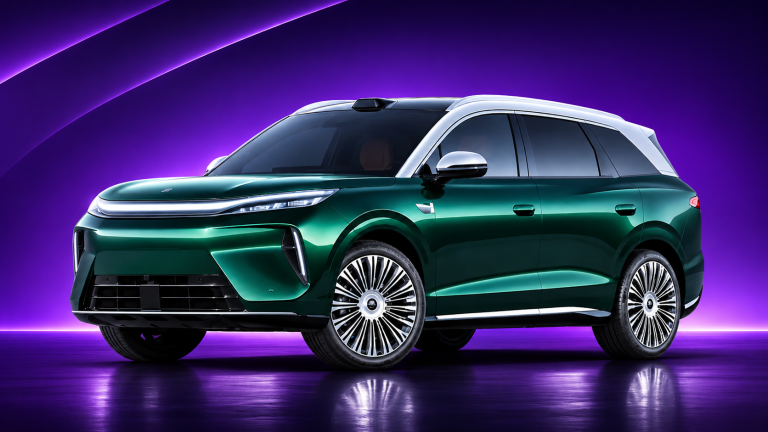
BYD has launched the third-generation Tang from $28,132 (~AUD 42,448), with a maximum CLTC range of 850 km. The lower entry price brings buyers a five-seat electric SUV with flash charging and rear-wheel steering.
Launch price undercuts pre-sale figure
The Tang launched on November 24, with deliveries beginning across all variants. Its starting price was 16.49% below the pre-sale starting price of $33,686 (~AUD 50,830), announced on November 13.
The mid-level version costs $31,126 (~AUD 46,967), while the top version starts at $32,923 (~AUD 49,677).
Get the latest EV news first. Follow us on:
Rear-wheel-drive models use a 300 kW motor and offer CLTC ranges of 730 km or 850 km. With the optional all-wheel-drive configuration, combined output reaches 515 kW; the zero-to-100 km per hour sprint takes 4.3 seconds, while CLTC range stands at 770 km.
The two battery choices, 88.682 kWh and 105.792 kWh, both use BYD’s second-generation Blade Battery technology. An optional all-wheel-drive steer-by-wire package costs $2,994 (~AUD 4,518) and is available on the top rear-wheel-drive version.
Digital chassis and assisted driving
The Tang’s new-generation digital chassis uses electronically controlled steering and braking without mechanical linkages. Its response speed improves by more than 25%.
The LiDAR-enabled God’s Eye B assisted-driving system supports urban navigation and smart parking. Safety equipment includes 11 airbags as standard and a stability-control system for a tyre blowout at high speed.
The third-generation Tang is the first model equipped with BYD’s trapped vehicle assistant. Its cabin voice assistant, DiDi Xia, recognises dialects, handles loosely phrased commands and supports voiceprint recognition throughout the cabin.
Five seats and a screen-focused cabin
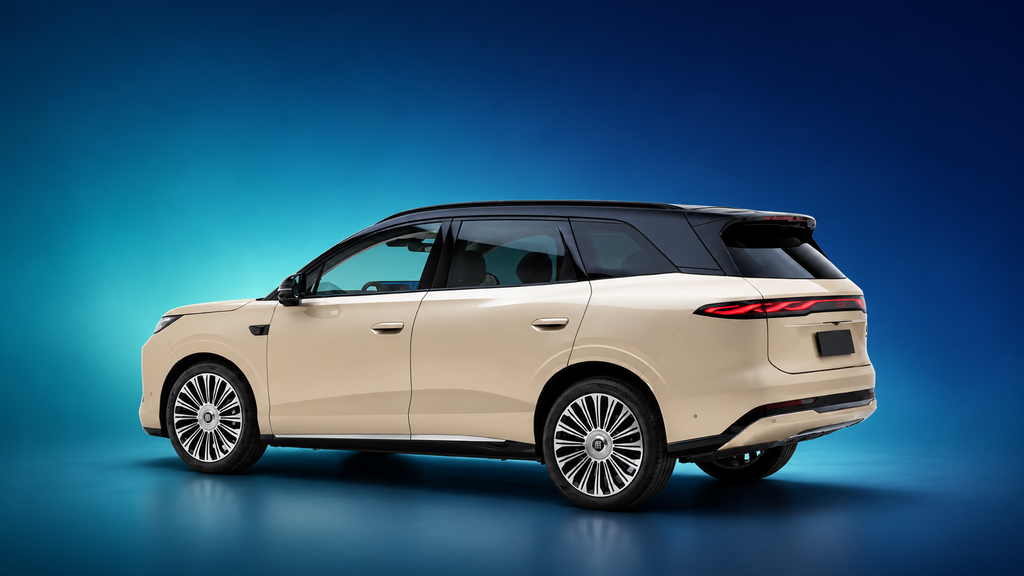
BYD positions the Tang as a large, technology-focused flagship SUV. Across all variants, seating capacity is five and legroom in the second row measures 1,003 mm (~39.5 inches).
The body measures 5,045 mm (~198.6 inches) long, 1,980 mm (~78 inches) wide and 1,740 mm (~68.5 inches) high, with a 2,950 mm (~116.1 inches) wheelbase. The exterior has a closed front face and a full-width LED light strip.
A 35.4-inch integrated far-end display and a 30-inch panoramic screen make up the dashboard’s display arrangement. The audio system has 22 Devialet speakers and Magic Cube panoramic sound 2.0.
All four main seats have ventilation, heating and 10-point massage. The front passenger seat also has a zero-gravity function. A 6.8-litre refrigerator provides cooling and heating.
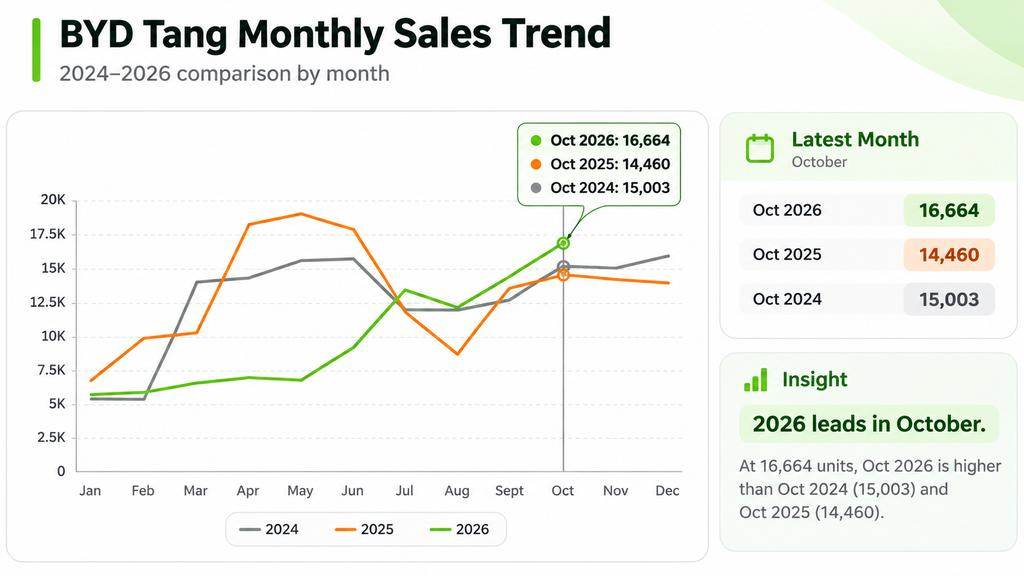
Before the launch, October sales for the Tang series reached 16,664 units, a year-on-year increase of 15.24%. From January to October, sales totalled 98,278 units, down 25.28% from the same period a year earlier.
Why it matters
The launch price lowers the entry cost from the figure given to prospective buyers during pre-sales. Battery and drive options give buyers a choice of range and performance without changing the five-seat layout. The update also goes beyond exterior changes, bringing battery, chassis and cabin technology together in the new Tang.
Key Specs
- Starting price: $28,132 (~AUD 42,448)
- Maximum CLTC range: 850 km
- Battery capacities: 88.682 kWh and 105.792 kWh
- Rear-wheel-drive motor power: 300 kW
- Optional all-wheel-drive combined power: 515 kW
- Optional all-wheel-drive acceleration: 0–100 km per hour in 4.3 seconds
✎ Images and news sourced from: weibo.cn, byd.com, d1ev.com, sina.com.cn, ithome.com, cnevpost.com, tuningblog.eu, 12365auto.com, weibo.com.
