
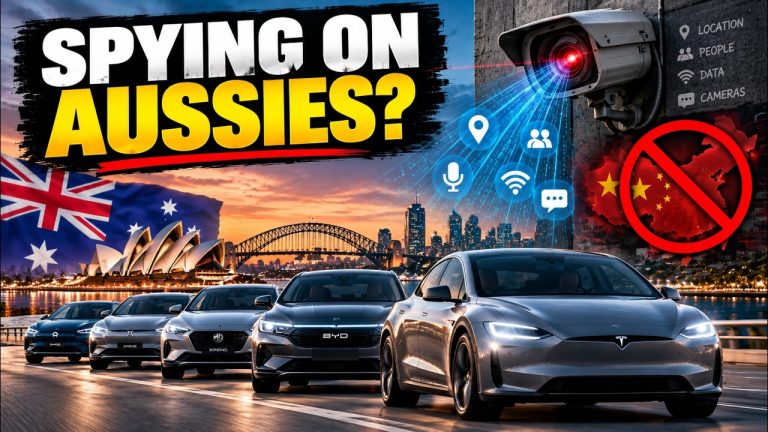
Australia’s cybersecurity landscape is facing a significant challenge, as Alastair MacGibbon, a prominent cybersecurity expert, has called for a ban on Chinese-made connected vehicles. This decision stems from growing concerns regarding potential espionage risks associated with these vehicles, which are equipped with cameras, sensors, and microphones that could be exploited for surveillance purposes. Notably, this regulatory shift would primarily affect electric vehicles produced by Tesla, given that 95% of the parts for Teslas manufactured at the company’s Shanghai factory are sourced locally in China.
Concerns Over Chinese Vehicles
MacGibbon’s advocacy for a ban highlights increasing security worries as Australia navigates its relationship with China. The call for prohibiting Chinese-made connected cars is rooted in fears of data privacy breaches and the implications of foreign surveillance technology infiltrating Australian roads. With the rapid rise in popularity of electric vehicles, particularly among Chinese brands such as BYD and MG, the stakes in this debate are higher than ever.
Get the latest EV news first. Follow us on:
Tesla’s Unique Position
Interestingly, the proposed ban would inadvertently place Tesla vehicles at the forefront of this regulatory push. Since a significant percentage of Tesla’s parts are sourced from China, a ban would hit them first, potentially before other brands like BYD or MG, which are more wholly Chinese in their manufacturing. This could lead to a complicated scenario where a brand known for its innovation and market leadership may face the brunt of governmental restrictions aimed at foreign competitors.
The Broader Implications of the Ban
The potential ban on Chinese vehicles extends beyond just Tesla and raises broader questions around trade, technology, and national security. Australia’s increasing alignment with the United States regarding cybersecurity measures reflects a global trend of nations reassessing their dependency on foreign technology, particularly from nations perceived as adversarial. In light of these developments, the Australian government may need to evaluate its existing regulatory frameworks to address the evolving landscape of connected vehicles and their associated risks.
Public Reaction and Industry Response
While MacGibbon’s warnings resonate with certain segments of the public concerned about data privacy and security, the automotive industry may react with apprehension. A sudden ban could disrupt the market, affect consumer choice, and have economic repercussions, particularly for Australian consumers who have increasingly turned to electric vehicles amid a push for greener transportation options. The potential fallout from such a ban may also influence the broader discussions around sustainable transport in Australia, as the nation aims to reduce its carbon footprint.
Conclusion
As the discussion surrounding a potential ban on Chinese-made vehicles unfolds, the implications are substantial not only for consumers and manufacturers but also for the broader dialogue on cybersecurity and national security. The Australian government, alongside cybersecurity experts like MacGibbon, will need to navigate these waters carefully, balancing the need for security with the realities of a rapidly evolving automotive market. As public sentiment and industry dynamics shift, the future of connected vehicles in Australia is likely to remain a contentious issue for years to come.
Watch the full video on YouTube: Australia’s Cyber Boss Wants Chinese Cars Banned. Tesla Would Go First

What a load of rubbish. Every person has a mobile phone, all made in China or with Chinese components, and are more intrusive and snooping than any car system. The phones are also taken in the cars, so how is that fixed. Paranoia is on the rise.