
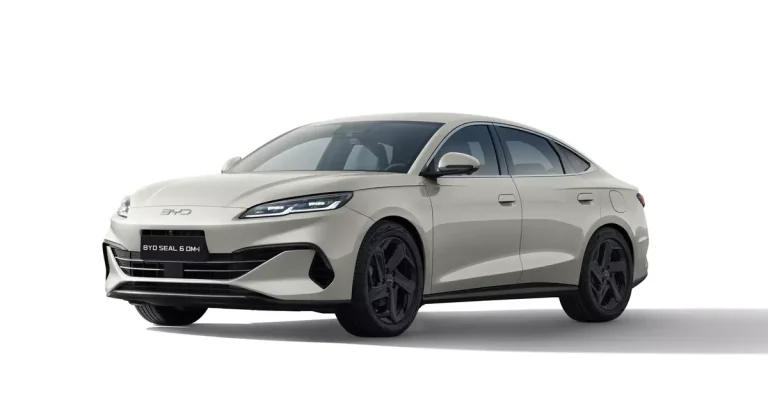
BYD marked its 32nd anniversary on November 18. It has grown from a Shenzhen battery business into a carmaker with overseas factories and a presence in more than 120 countries and regions.
Production passes 19 million new energy vehicles
BYD chairman and president Wang Chuanfu said cumulative production had exceeded 19 million new energy vehicles.
The 19 millionth vehicle was a Fangchengbao Titanium 9, built at the Xi’an factory on November 9. Just 124 days separated BYD’s 17 millionth and 19 millionth new energy vehicles.
Get the latest EV news first. Follow us on:
BYD reached 3 million new energy vehicles in 2022 and 6 million in 2023. Its 10 millionth rolled off the line on November 18, 2024, followed by its 15 millionth in December 2025.
BYD’s 2025 new energy vehicle sales exceeded 4,600,000 units, ranking first globally. Overseas sales topped 1,040,000 units, up 145% from the previous year.
The sales picture has been mixed in the first 10 months of this year. Global vehicle sales fell 2.16% to 3,621,744, while domestic vehicle sales declined 27.81% to 2,108,590. New energy vehicle exports rose 93.75% to 1,513,154 units.
October export dispatches increased 102.8% to 170,194 vehicles. Pure electric passenger vehicle sales rose 37.4% to 305,743 units, their first month above 300,000.
Building cars closer to overseas buyers
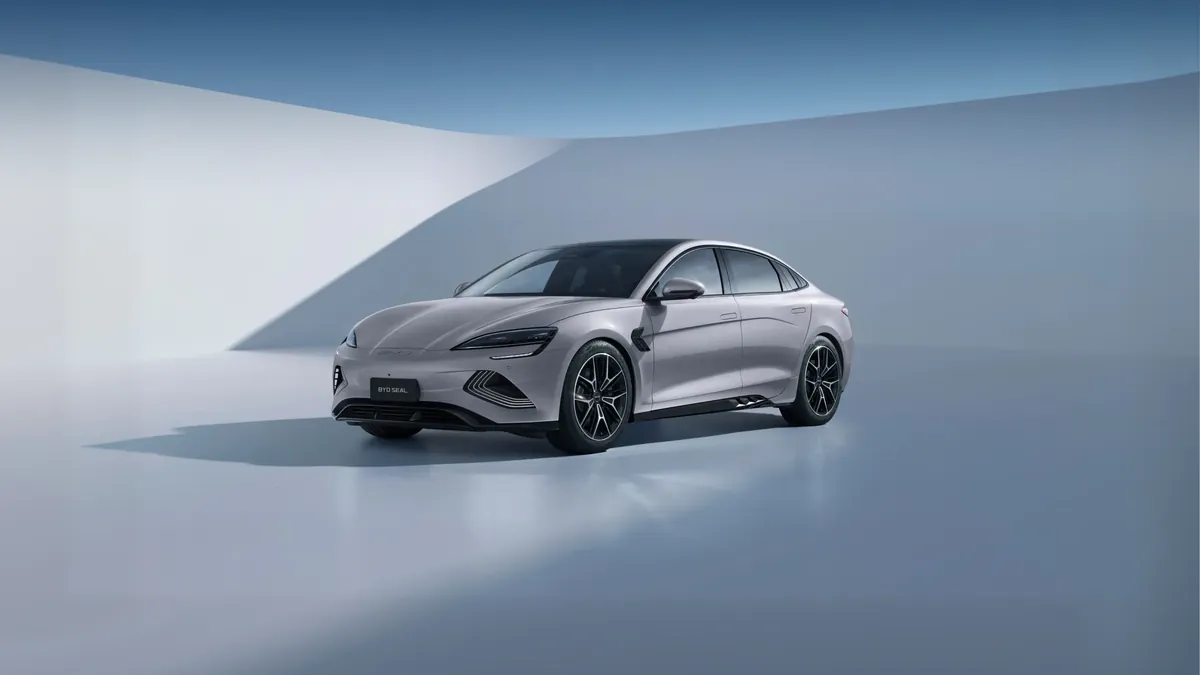
BYD’s overseas expansion includes both exports from China and local vehicle production. In 2024, Rayong, Thailand, became the site of its first completed passenger-car factory outside its home country.
The factory has annual production capacity of 150,000 vehicles and employs about 6,000 people. Local hires account for more than 95%.
Production began at BYD’s Brazilian factory in 2025.
Wang said BYD plans to expand local sourcing and research and development in overseas markets.
From a small battery factory to carmaking
Founded in Shenzhen in 1994, BYD began as a rechargeable-battery business with 20 people working in a small factory. It now employs hundreds of thousands.
For BYD, entry into the lithium-ion battery industry came in 1996; its first branch abroad followed in 1998 in the Netherlands.
In 2000, it opened its first industrial park in Kuichong, Shenzhen, ending its reliance on rented factories. That year, it also became Motorola’s first Chinese lithium-ion battery supplier. It reached the same supplier milestone with Nokia in 2002.
BYD listed on the Hong Kong Stock Exchange in 2002 and entered carmaking by acquiring Xi’an Qinchuan Automobile in 2003. By 2008, its new energy business covered solar power, energy storage and electric vehicles.
The company entered the new energy bus industry in 2009 and introduced its public transport electrification strategy in 2010. Its first electric taxis began operating that year, and its first electric buses entered commercial service in 2011.
BYD established its Denza joint venture with Daimler in 2010 and a joint electric-vehicle technology company with Toyota in 2020. Its passenger-car brands now include BYD, Fangchengbao, Denza and Yangwang, covering household, luxury and personalised vehicles.
Battery and charging development continues
BYD’s original Blade Battery entered mass production in 2020, followed by its DM-i super hybrid technology in 2021. It introduced battery-body integration technology and stopped producing fuel-only vehicles in 2022, then released its fifth-generation hybrid technology in 2024.
This year, BYD released its second-generation Blade Battery and flash-charging technology. Its operations include developing core components and producing key materials.
BYD’s cumulative emissions reduction was approximately 150,000,000 tons, equivalent to planting 2,400,000,000 trees.
Why it matters
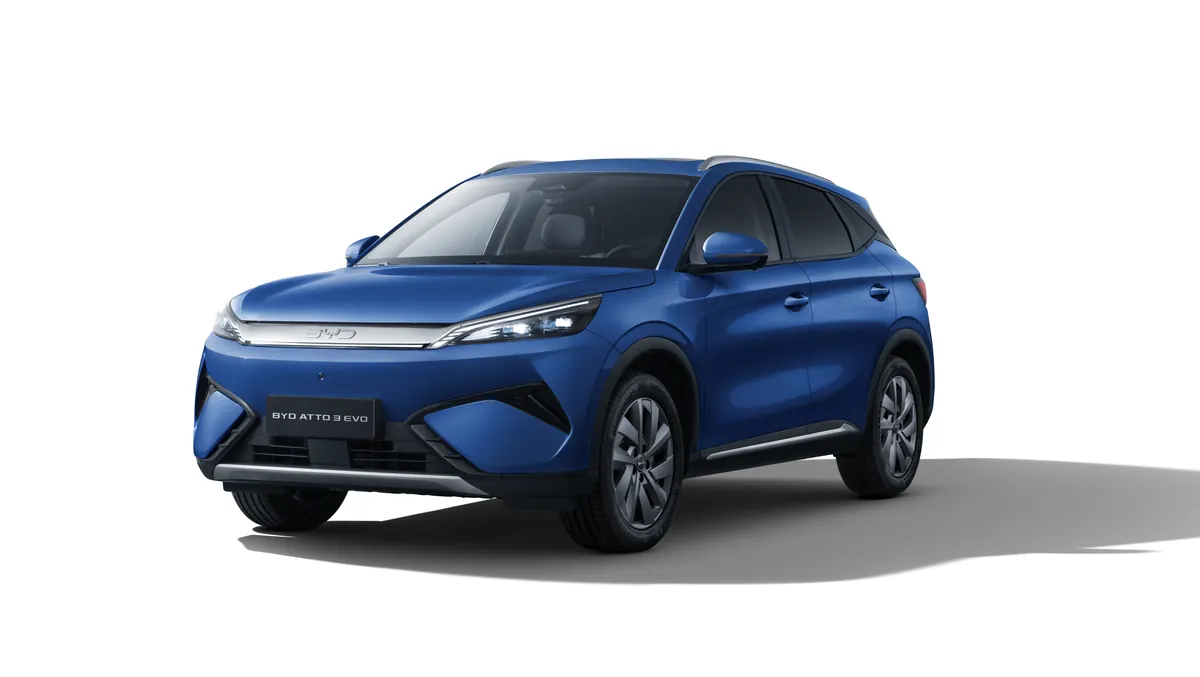
For EV buyers, BYD’s growth is about more than the number of cars it builds. It brings together overseas production, a range of household and luxury vehicles, and continued battery and charging development.
Key Specs
- Anniversary: 32nd
- Cumulative new energy vehicle production: More than 19 million
- 2025 new energy vehicle sales: More than 4,600,000 units
- Thailand factory annual production capacity: 150,000 vehicles
✎ Images and news sourced from: bydglobal.com, gasgoo.com, cnevpost.com, qq.com, sina.com.cn, edigest.hk, dotdotnews.com, autocarpro.in, smzdm.com.
