
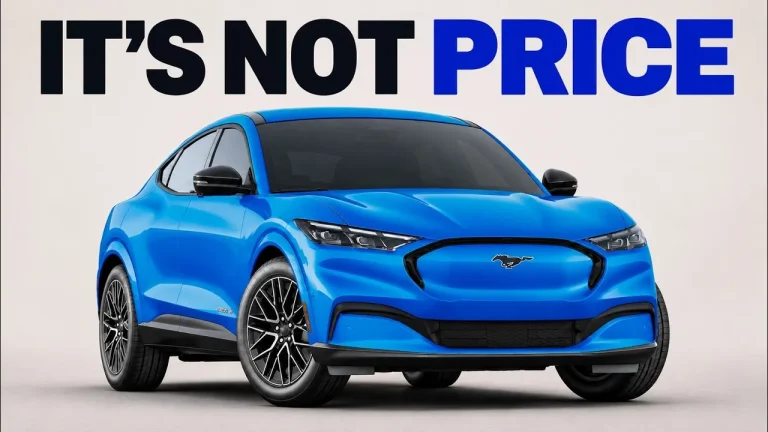
Myths and misconceptions are the leading barrier to electric vehicle (EV) adoption worldwide, according to a new survey of 29,547 EV owners across 34 countries. The Global EV Driver Survey, conducted by the Global EV Alliance, reveals that 74% of respondents see misinformation as the main reason people hesitate to buy an EV, ahead of price concerns at 49%.
Survey Results: Myths Outrank Price and Charging Concerns
The survey allowed EV owners to select the top barriers to adoption in their own countries. Myths and misconceptions were chosen by 74%, while purchase price was selected by 49%. Charging challenges for apartment dwellers came in third at 47%.
When asked which myths were most influential, 72% pointed to the belief that EV batteries won’t last. Concerns about fires followed at 58%. Other common myths included fears that EVs would overload the power grid or that they are no better for the climate. Sam Evans notes that many of these myths have been spread by fossil fuel companies and, for a while, also by Toyota.
Get the latest EV news first. Follow us on:
EV Owners Themselves Worry Less About Batteries
Despite widespread battery fears among non-owners, the survey shows that current EV owners are much less concerned. Two out of three owners said they are not worried about their own battery, and only 18% expressed concern about battery longevity. Sam points out that the main fear among non-owners is the issue actual owners worry about the least.
Ford Mustang Mach-E Data Shows Strong Battery Retention
Fresh evidence supports owners’ confidence in EV batteries. Ford analyzed 36,000 Mustang Mach-E vehicles they sold, focusing on 2021 models now more than five years old with about 90,000 kilometers (around 55,000 miles) on the odometer. On average, these cars still have 92% of their battery capacity.
Ford also examined over 2,000 Mustang Mach-Es that have surpassed 160,000 kilometers (100,000 miles). These higher-mileage vehicles averaged 91% battery capacity. Sam explains that most battery fade happens early in an EV’s life, then slows significantly after that.
Fires and Grid Impact: Myths vs. Reality
Addressing other common myths, Sam says studies generally show that electric cars catch fire much less often than petrol cars, and even less often compared to hybrids or plug-in hybrids. On concerns about the power grid, he notes that most EV charging happens overnight when there is spare capacity.
What This Means for the EV Industry
Sam Evans believes that while cheaper EVs are needed in many countries, the car industry also needs to communicate the facts much more loudly.
