
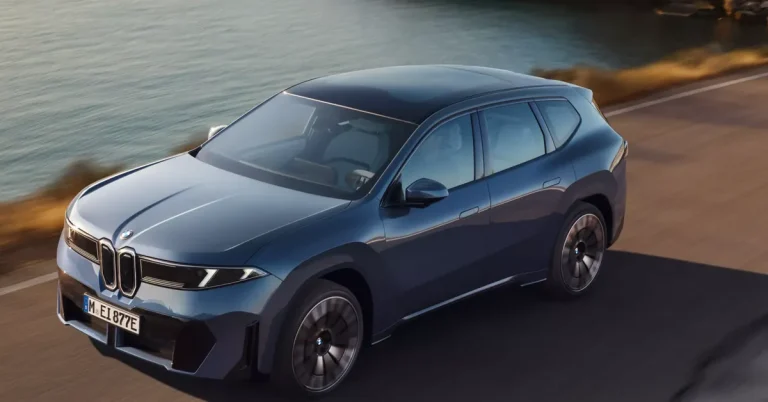
A BMW iX3 covered 1,015.8 km (631 miles) on one charge in a Brazilian efficiency test. Although its official local range was exceeded by a wide margin, BMW said the conditions differed substantially from normal customer use.
Low speeds and a planned route
Before setting off, the team planned the route around speed, road gradients and traffic, and ran simulations to prepare.
The car stayed in Max Range mode throughout the test. Speeds were generally between 60 and 70 km per hour (37–43 mph), with occasional peaks of 90 km per hour (56 mph).
Get the latest EV news first. Follow us on:
Average speed for the journey was 57.1 km per hour (35.5 mph). For the final leg, the team departed at around 4 a.m. to avoid São Paulo’s rush-hour traffic.
Battery checkpoints on the way to São Paulo
Near Cravinhos, after covering 706 km (439 miles), the iX3 still had 30% battery remaining. Its indicated remaining range was 312 km (194 miles).
After 866 km (538 miles), the battery was at 15%. The car displayed another 159 km (99 miles) of estimated range.
At Campinas, the journey total stood at 895.4 km and the battery had fallen to 12%. Average consumption at that checkpoint was 10.7 kWh per 100 km. The estimated remaining range was 128 km, with the destination approximately 109 km away.
The car passed the 1,000 km mark at 6:09 a.m. near Museu do Ipiranga. It reached SENAI Ipiranga, the BMW Group Academy in São Paulo, 41 minutes later, arriving at 6:50 a.m. on November 10.
Efficiency, battery and official range
Average energy consumption for the completed test was 10.9 kWh per 100 km (17.6 kWh per 100 miles). Indicated cumulative energy consumption during the drive was 111.3 kWh.
The Brazilian drive exceeded the iX3’s official local range by 78%. Under Brazil’s PBEV/Inmetro testing procedure, the model is rated at 570 km (354 miles), the highest official range among electric models sold in the country.
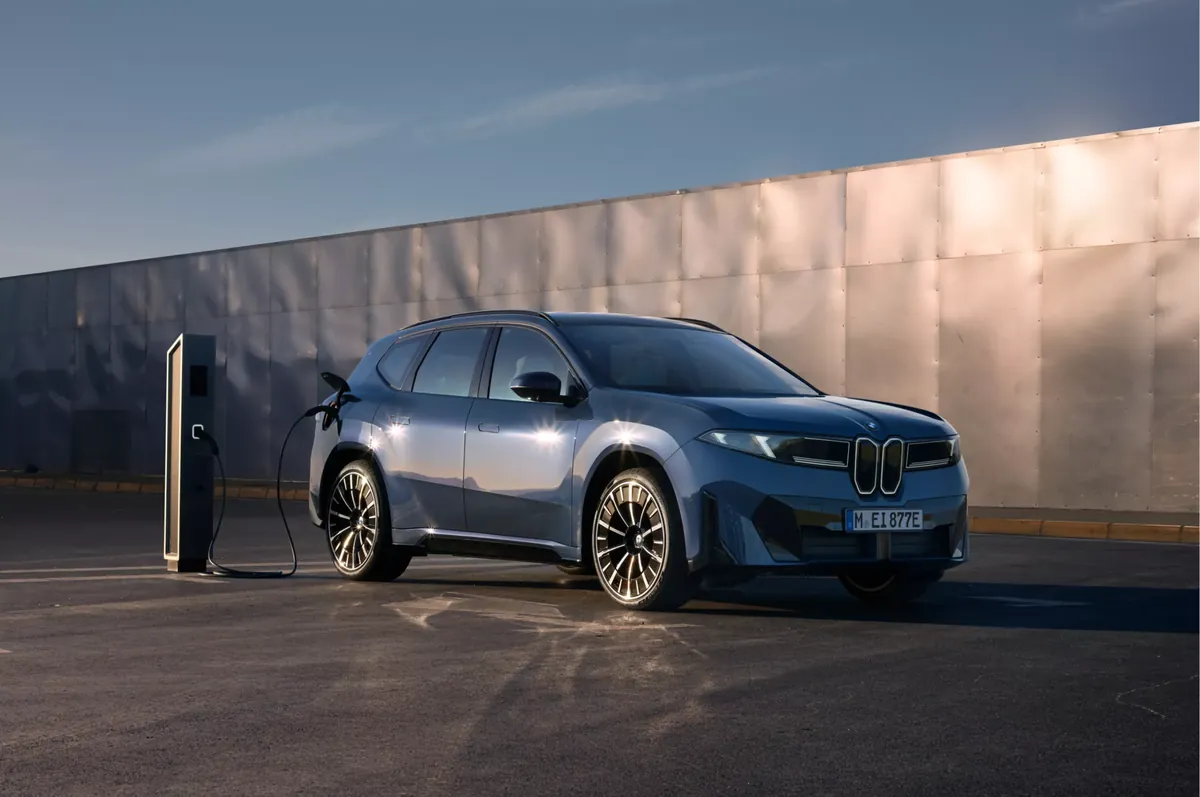
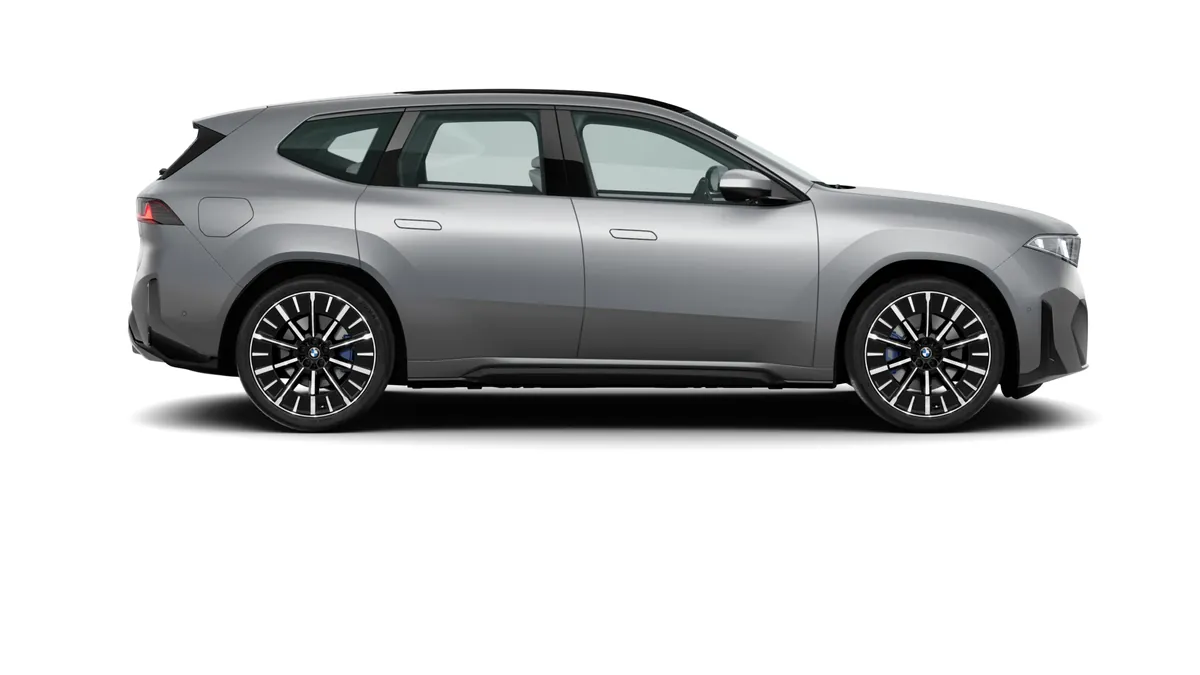
The iX3 has a usable battery capacity of 108.7 kWh, with cylindrical cells integrated into the vehicle’s structure. Its battery cells have 20% higher energy density than BMW’s previous battery generation, and the car’s aerodynamic coefficient is 0.24.
The iX3 is BMW’s first Neue Klasse model and uses its sixth-generation electric drive system with 800-volt technology. Its DC fast-charging specification is 10–80% in 21 minutes at 320 kW.
Why it matters
For buyers, the journey shows how far the iX3 can travel on one charge under carefully planned efficiency-test conditions. Reaching that distance involved sustained low-speed driving and an early-morning final leg, rather than normal customer use.
Key Specs
- Single-charge test distance: 1,015.8 km (631 miles)
- Total driving time: 17 hours 59 minutes
- Average speed: 57.1 km per hour (35.5 mph)
- Average energy consumption: 10.9 kWh per 100 km (17.6 kWh per 100 miles)
- Usable battery capacity: 108.7 kWh
- Official Brazilian PBEV/Inmetro range: 570 km (354 miles)
✎ Images and news sourced from: bmwblog.com, insideevs.com, r7.com, correiobraziliense.com.br, vrum.com.br, 163.com, d1ev.com, bmw.com.br.
