
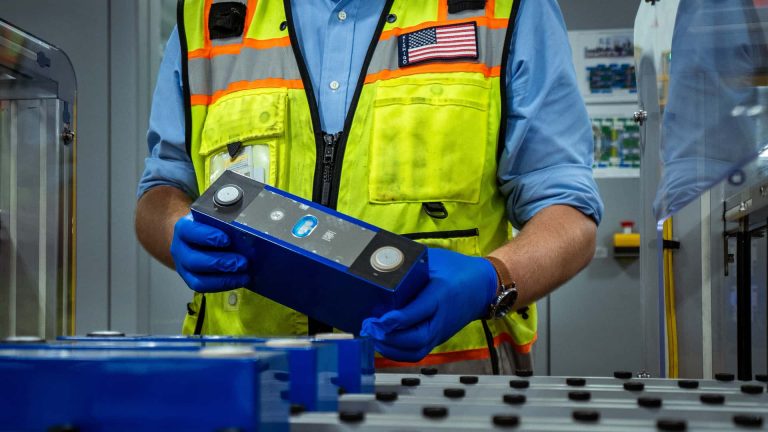
Ford’s battery abuse team studies how cells fail to help shape battery design. The work is intended to protect occupants, with specialists involved from the start of development.
What happens inside an overheating cell
The team measures how battery cells release gas when they overheat. As a cell’s electrolyte heats up, it releases gases that need a way out. Trapped gases can lead to short circuits or thermal runaway.
Venting is intended to stop an overheating battery from catching fire or damaging itself. Before a cell reaches validation testing, the team uses computer models to analyse how that venting will work.
Get the latest EV news first. Follow us on:
Ford has focused on durability from the start of battery development. The abuse team examines the physical processes behind a failure and the design measures intended to manage it.
Damaged cells put quality checks to the test
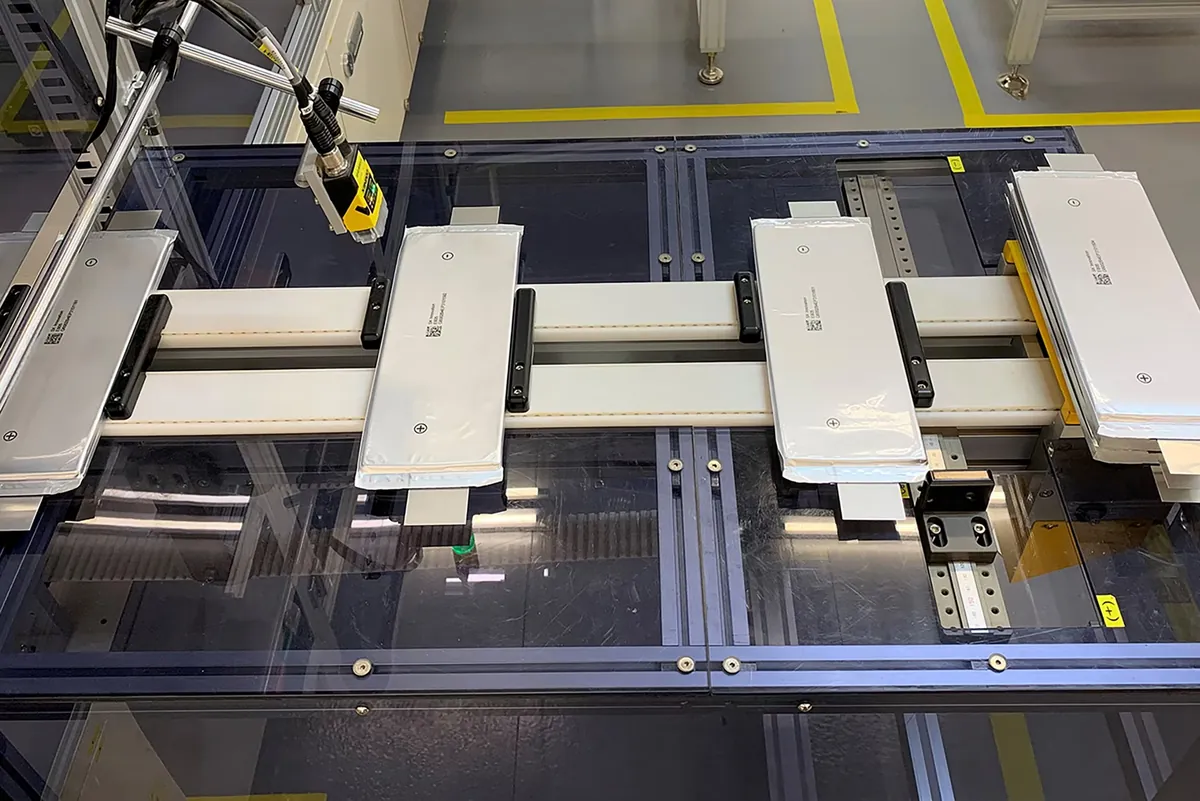
Ford carries out thousands of quality checks at different production stages. Workers use CT scans, X-ray machines, lasers, cameras and artificial intelligence systems to examine components during manufacturing.
One laser inspection scans every millimeter of the anode slurry coated onto copper foil, looking for wrinkles and other faults. To spot flaws in production, employees also turn to tools including AI-powered image recognition.
Ford deliberately sends damaged components and cells, known as “red rabbits”, into production machinery. These check whether the quality systems detect the faults they are meant to catch.
Employees can pause production when they spot a problem. Cells made during an affected period are quarantined in case they have issues. Affected components can be traced through production to the vehicles in which they end up.
A blast of helium gas tests cells for leaks as they approach readiness. Ford aims to reduce the incidence of defective cells to a level measured per billion cells instead of per million.
Testing the pack and designing for crashes
Testing continues after the pack is assembled. A hydraulic shaker serves as its mount, simulating real-world road use spanning thousands of miles and years. The equipment can twist, dive, squat, contort and yaw to reproduce vehicle movements.
Ford’s pack is designed as a structural component rather than simply being housed inside the vehicle. It is intended to bend in a collision.
The rectangular, prismatic cells fit directly into the chassis, reducing structural costs.
LFP batteries for the Ford Fathom
Ford started producing lithium iron phosphate, or LFP, battery packs at BlueOval Battery Park Michigan, which it owns and operates. The first cells were shipped to Louisville Assembly Plant to power Ford Fathom prototypes.
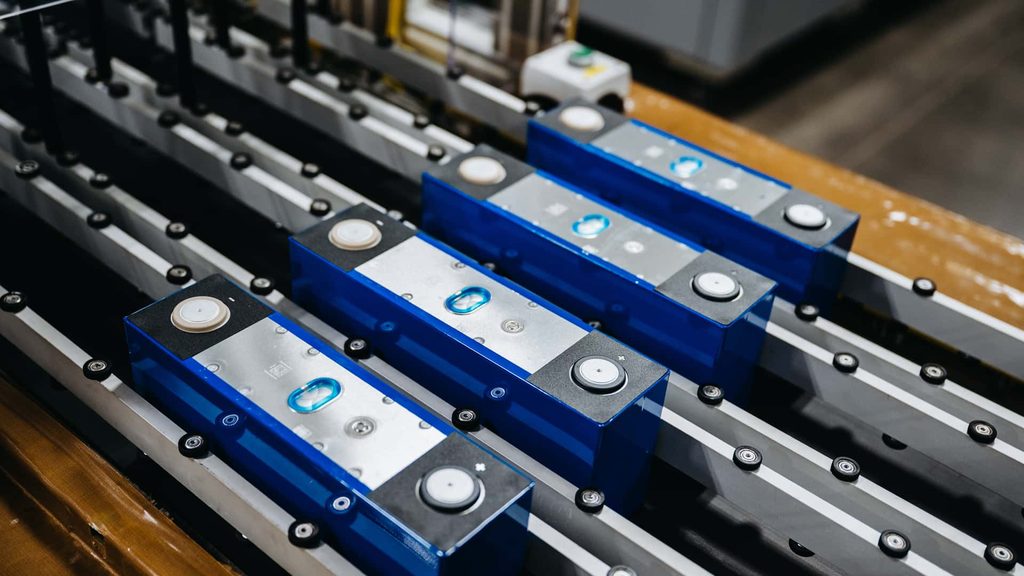
The Fathom pickup is planned for production and launch in 2027 with LFP batteries. Containing neither nickel nor cobalt, that chemistry withstands years of use and charging.
Ford licensed the LFP technology from its battery technology partner, CATL. Alan Clarke, Ford’s vice president of Advanced Development Projects, said Ford sought technology proven in use, suitable for large-scale manufacturing and matched to the vehicle programme. Clarke said CATL’s batteries power 30 million vehicles worldwide.
Why it matters
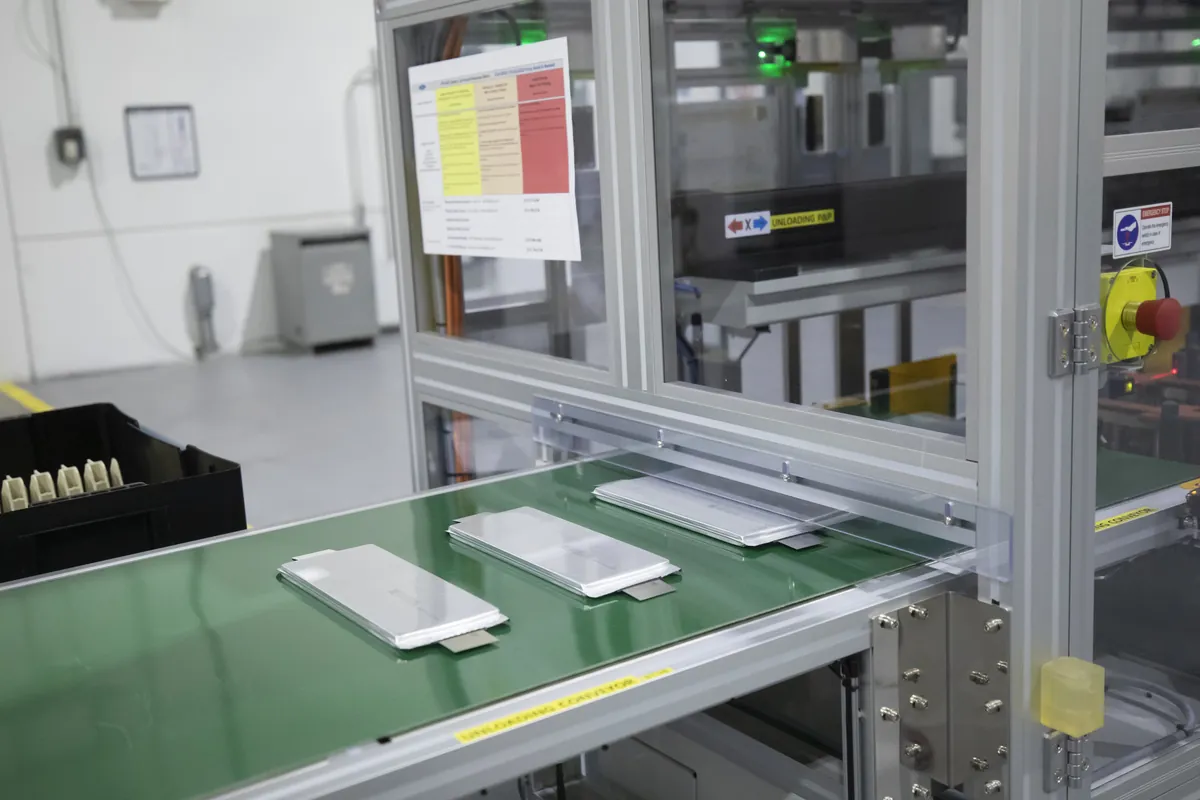
For buyers, the work is intended to help keep battery faults from harming occupants. It also shows why battery safety involves both catching production defects and managing what happens when a cell fails.
Key Specs
- Ford Fathom production and launch: Planned for 2027
✎ Images and news sourced from: ford.com, cnet.com, electrive.com, insideevs.com, interestingengineering.com, indiatimes.com.
