
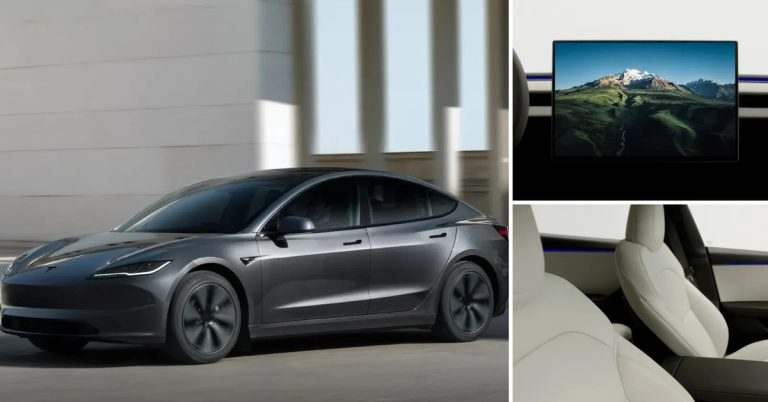
Tesla has expanded its Powershare feature to the Model 3 and Model Y, allowing these popular EVs to serve as backup power sources for homes during blackouts. Previously exclusive to the Cybertruck, this update brings vehicle-to-home (V2H) capability to a much wider group of Tesla owners. The rollout marks a significant step in making bidirectional charging more accessible in the mainstream EV market.
How Tesla Powershare Works
The new Powershare feature enables the Tesla Model 3 and Model Y to supply electricity to a home during a power outage. For the system to function, owners need a Tesla Powerwall energy storage unit and a Wall Connector. The Powerwall 3 is priced at approximately $15,000 (~AUD 21,536) including installation, while the Wall Connector costs $585 (~AUD 840).
Once installed, the Model 3 or Model Y can deliver up to 15 kW of power back to the home. Tesla states that Powershare is available on vehicles purchased on or after October 1, 2026, and in select vehicles bought before that date.
Cybertruck and Powershare Hardware Differences
Before this update, only the Tesla Cybertruck offered V2H capability. The Cybertruck features an onboard DC-to-AC converter, allowing it to function as a backup power source with a simpler setup. Owners of the Cybertruck only need to install a Universal Wall Connector and a Powershare Gateway, which are available together for $1,970 (~AUD 2,828) through Tesla’s Powershare Home Backup Bundle.
Competitor Comparison
Tesla’s move brings the Model 3 and Model Y in line with several competitors that already offer vehicle-to-home functionality. The Chevrolet Silverado EV, Kia EV9, and Nissan Leaf all support V2H features, allowing owners to use their EVs as emergency power sources. These models have helped set expectations for bidirectional charging in the EV market, and Tesla’s adoption signals growing industry momentum.
Historical Context and Market Impact
Tesla remains a dominant force in the global EV market, selling 1,654,667 vehicles worldwide in 2025—a 5% increase year-over-year. The brand accounted for 25.5% of global EV sales last year. By adding Powershare to its best-selling models, Tesla is reinforcing its leadership in both innovation and practical utility for EV owners.
Why this matters
The expansion of Powershare to the Model 3 and Model Y means that a much larger group of Tesla owners can now use their vehicles as backup power sources during outages. This feature can provide peace of mind for households in areas prone to blackouts and further demonstrates the versatility of electric vehicles beyond transportation.
As more automakers introduce V2H capabilities, features like Powershare are likely to become standard expectations for new EV buyers.
What this means for buyers
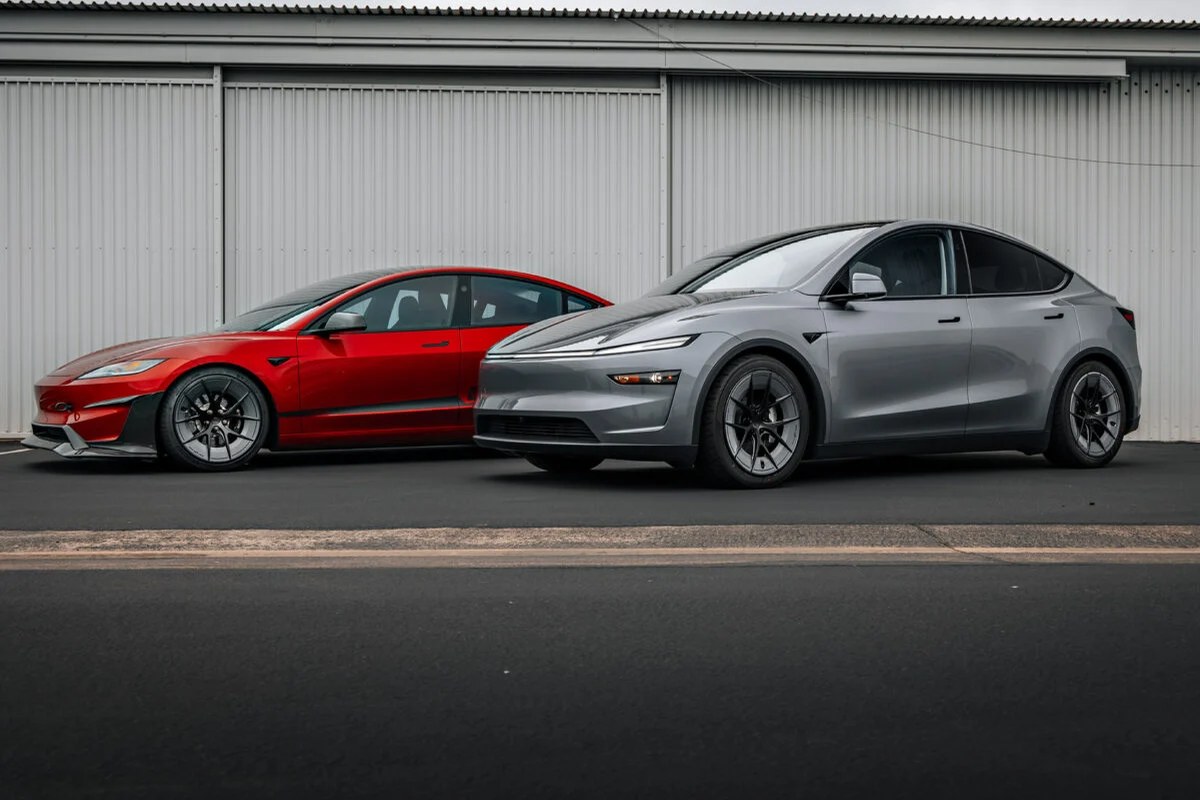
For current and prospective Tesla Model 3 and Model Y owners, the new Powershare feature adds significant value, especially for those already considering a Powerwall installation. Buyers should note that the feature requires additional hardware and is only available on newer vehicles. Those comparing options may also want to evaluate similar V2H offerings from Chevrolet, Kia, and Nissan to find the best fit for their needs.
Key Specs
- Powershare Output: 15 kW
- Powerwall 3 Price (Installed): $15,000 (~AUD 21,536)
- Tesla Wall Connector Price: $585 (~AUD 840)
- Cybertruck Backup Hardware Bundle: $1,970 (~AUD 2,828)
- Eligible Vehicles: Model 3 and Model Y purchased on or after October 1, 2026 (select earlier vehicles also supported)
- Tesla Global EV Sales (2025): 1,654,667 units
- Tesla Global EV Market Share (2025): 25.5%

