
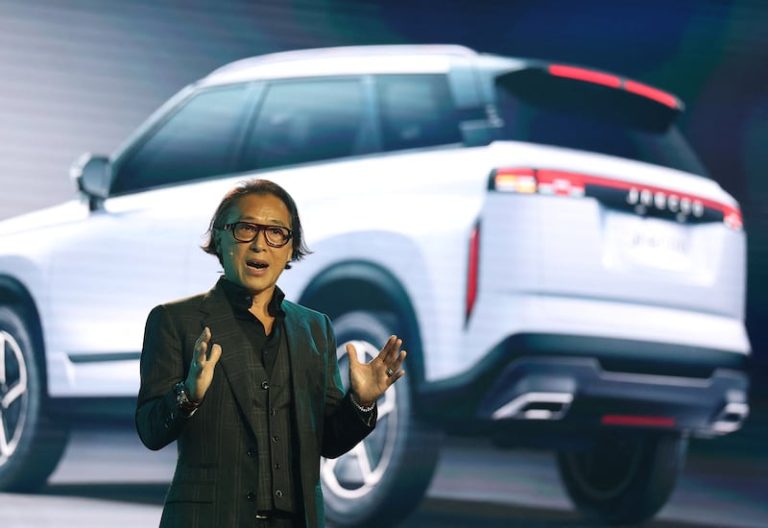
Younger car buyers in China are increasingly viewing Western automakers as outdated, while domestic brands such as BYD, Geely, and Xiaomi are winning on technology, value, and speed of development. As the Beijing Auto Show opens, the shift highlights how quickly China’s EV industry has transformed the market and weakened the old prestige of German, American, and other legacy brands.
China’s auto market has changed faster than many legacy automakers expected. As the Beijing Auto Show gets underway, domestic brands are leaning on value, software, and rapid product cycles while younger buyers increasingly see Western nameplates as something their parents would choose.
That perception shift is striking in a market that once treated German brands as the default premium option. What used to signal engineering prestige and status now carries less weight with a new generation of Chinese shoppers who are more interested in technology and EV-first design.
The old prestige premium is fading
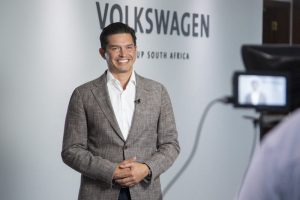
Volkswagen China CEO Robert Cisek recently told Reuters that younger buyers now think of legacy Western brands as a “brand for the parents.” The phrase captures a broader generational break: the same brands that once represented quality and sophistication are no longer automatically seen as cutting-edge.
For years, Western automakers benefited from the idea that a car could be sold on heritage, familiar branding, and a long model lifecycle. In China, that approach worked when local rivals were weaker and product updates moved slowly. That market has since changed dramatically.
Chinese brands moved faster than the incumbents
Homegrown manufacturers used the last decade to close the gap and then push ahead in some areas. Brands such as BYD, Geely, and Xiaomi have attracted customers who might previously have chosen Volkswagen, Buick, BMW, or other foreign marques.
Tu Le, managing director of Sino Auto Insights, summed up the risk for the established players by saying, “Detroit’s cash cow is no longer safe.” The comment reflects a broader concern shared by global automakers: China is no longer just a huge sales market, but also a source of intense competitive pressure.
Reuters noted that when Volkswagen first appeared at a Chinese auto show in Shanghai in 1985, the quality of its brochures alone impressed visitors. That kind of novelty no longer works. Today, automakers need compelling electric models, fast-charging technology, and smart features to stand out.
EVs changed the rules
More than one in four new cars sold in China is fully electric, and that has reshaped buyer expectations. Instead of rewarding brands for combustion-engine heritage, many consumers now judge them on battery performance, software, charging speed, and in-cabin tech.
Government support helped Chinese automakers build scale quickly, especially in lower-priced EVs. Some electrified models have reportedly sold for as little as $8,000, giving domestic brands a strong foothold in the entry-level market before moving upward in price and ambition.
Bo Yu, country manager at JATO Dynamics, said the market has moved beyond a simple price war. In his view, it has become a “value-for-money war,” where buyers expect advanced features and strong specifications without paying a premium just for a badge.
Legacy brands are feeling the pressure
The impact on Western automakers is already visible. Buick’s sales in China have more than halved since 2017, while Volkswagen is down nearly 27% over the same period. Those declines matter because China was once one of the strongest profit engines for global carmakers.
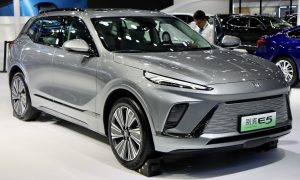
The challenge is not limited to mainstream brands. Chinese automakers are also targeting the premium segment, where German automakers once held an almost unassailable reputation. At this year’s Beijing Auto Show, that competition is likely to be on full display.
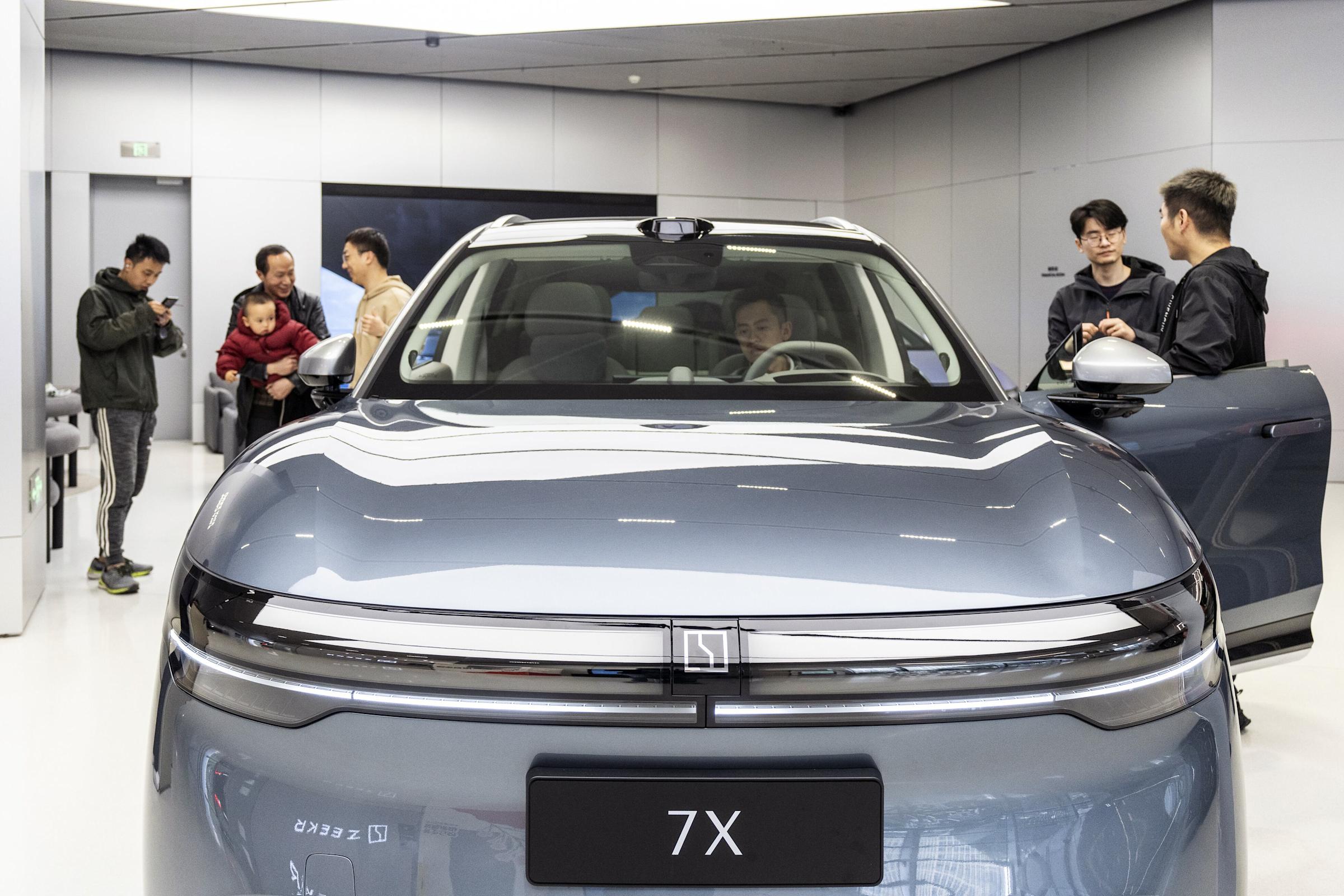
Examples from the domestic industry show how quickly the bar has risen. The Zeekr 8X, for instance, is described as being able to tilt upward just before a crash to help protect occupants. CATL has also introduced a new LFP battery it says can reach 80% charge in under four minutes. Both are signs of how aggressively Chinese companies are trying to define the next phase of EV competition.
Why this matters beyond China
The shift in China is important because it may point to what comes next globally. BYD has said that as much as half of its eventual sales could come from outside China, suggesting that the country’s automakers are not content to dominate their home market alone.
The U.S. remains relatively insulated from Chinese EV imports for now, but that protection is not universal. Canada, Mexico, and other markets are already more open to Chinese brands, and that could create more pressure on legacy automakers in the years ahead.
For established companies in Europe, Japan, South Korea, and the United States, the message is clear: brand history alone is no longer enough. In China, the future of the car market is being shaped by speed, software, charging, and value—and the old playbook is losing power.
Why This Matters
This story matters because China is the world’s largest and most competitive auto market, and the trends developing there often spread globally. If younger buyers no longer want legacy Western brands, that signals a major shift in how car companies must compete.
It also shows how EVs have changed the industry’s rules. Automakers now need to deliver faster charging, better software, and stronger value, not just a recognizable badge or long heritage. That pressure is likely to influence pricing, product planning, and technology investment worldwide.
Key Specs
- Market signal: Younger Chinese buyers are increasingly viewing Western automakers as “for the parents.”
- EV share: More than 1 in 4 new cars sold in China is fully electric.
- Volkswagen in China: Nearly 27% sales decline since 2017
- Buick in China: Sales have more than halved since 2017
- Entry-level EV pricing: Some electrified models in China have been offered for as little as $8,000.
- Battery claim: CATL says its new LFP battery can reach 80% charge in under 4 minutes
- Product example: The Zeekr 8X is described as able to tilt upward before a crash to help protect passengers.
Source: InsideEVs

