
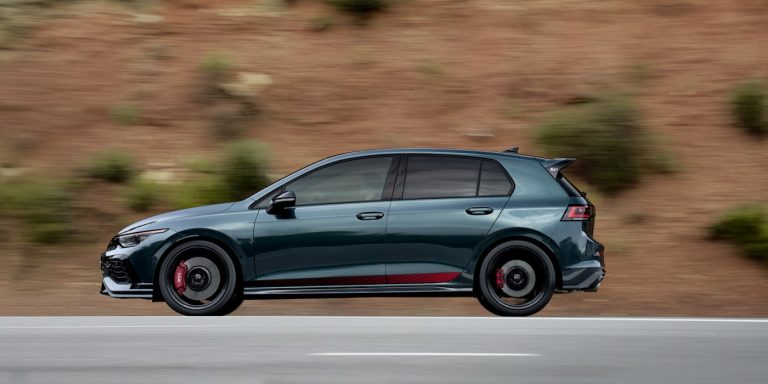
Volkswagen has pushed back the all-electric Golf, which had been expected in 2028 as the ninth-generation model’s first EV version. VW says it does not need an electric Golf by then and wants more time to make sure the car arrives without the kinds of problems that affected early mass-market EV launches. The delay is tied to VW’s new SSP platform, which will use 800-volt hardware and software co-developed with Rivian. In the meantime, the current Golf will stay on sale and production will move from Germany to Mexico in mid-2027.
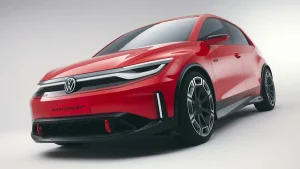
Volkswagen has delayed the arrival of the all-electric Golf, shelving what had been expected to be the ninth-generation model’s first fully electric version in 2028. The company says the extra time is needed to make sure a high-volume car reaches customers without the early quality and software problems that have affected some recent EV launches.
The change was confirmed by VW brand chief executive Thomas Schäfer during the Financial Times Future of the Car summit in London. He said the company’s current lineup is strong enough that it does not need an electric Golf in 2028, and suggested VW is comfortable with the products already in its portfolio.
Why VW Is Slowing The Golf EV
The delay appears to be linked to Volkswagen’s broader electrification strategy rather than a decision about the Golf alone. The next-generation model is expected to ride on the company’s new Scalable Systems Platform, or SSP, which is meant to succeed the MEB architecture used by many of VW’s current electric vehicles.
SSP is a major technical step for the group. It will bring an 800-volt electrical system and software developed with Rivian, which makes the rollout more complex than a simple model refresh. VW seems to be taking a cautious approach, especially given that the Golf is one of its most important global nameplates.
Rivian Software And The SSP Rollout
VW plans to introduce SSP first through Audi, then Porsche, and only later across Volkswagen-branded models. That staggered rollout suggests the platform will mature in higher-margin vehicles before reaching the mass-market cars that carry more volume and more pressure for reliability.
Because the Golf is such a mainstream product, even small software or integration issues could have a much bigger impact on customer perception. For that reason, VW appears to be avoiding a rushed launch and giving the platform time to stabilize before putting it into a core model.
What VW Will Sell In The Meantime
Volkswagen says it already has enough electric models to cover the compact-car segment while the Golf EV is delayed. The company recently revealed the ID.3 Neo and ID. Polo, and it also plans to launch an electric ID. Cross later this year, followed by an ID. Tiguan.
That means VW can continue expanding its EV range without relying on the Golf nameplate immediately. The company is likely trying to avoid overlapping too many launches while also protecting the Golf’s reputation as a dependable everyday car.
The Current Golf Is Staying Alive
The gasoline-powered Golf is not going away yet. Production of the current model will move from Wolfsburg, Germany, to Mexico in mid-2027, and the car will continue to be built alongside the future electric version when that eventually arrives.
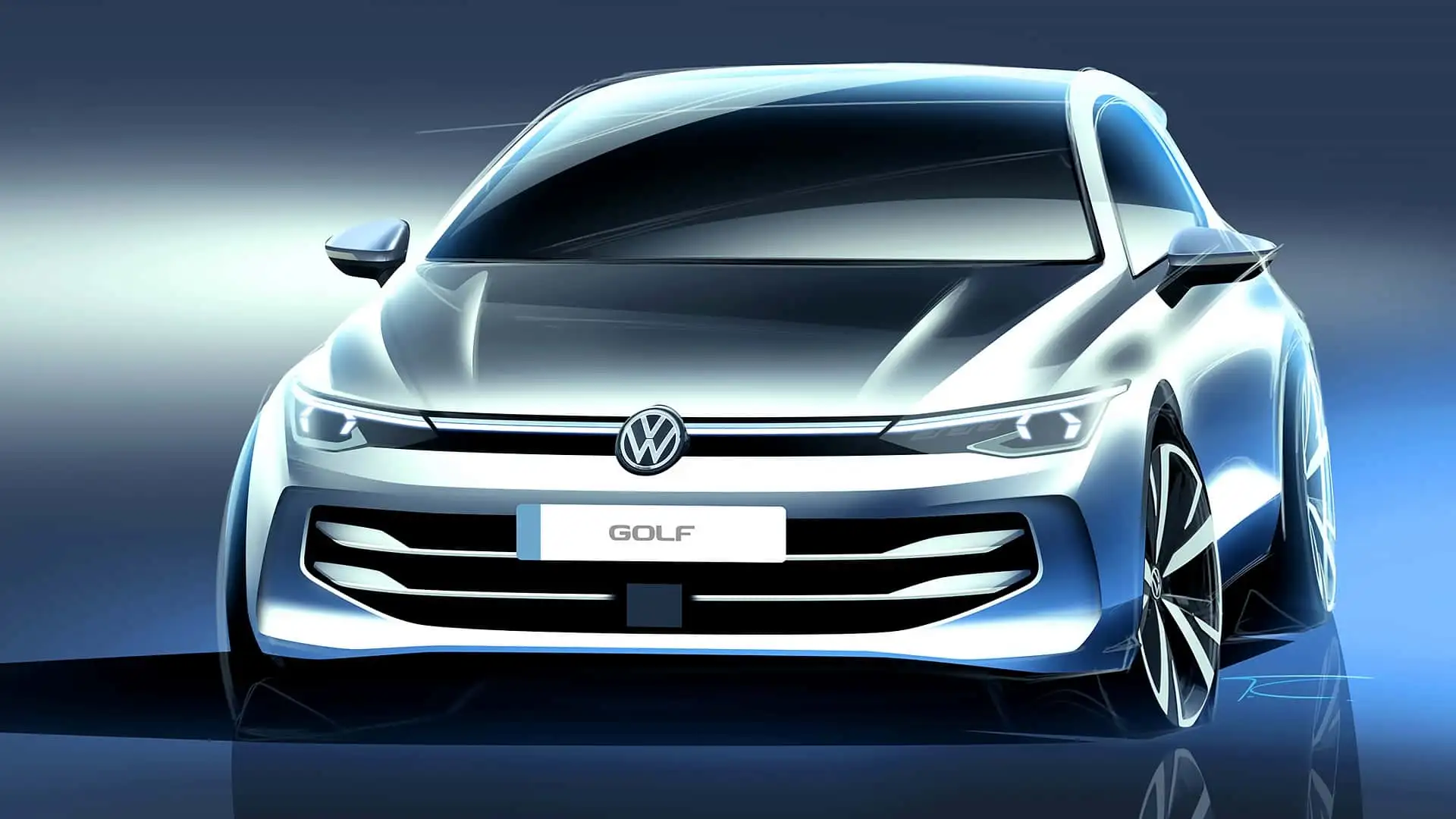
VW also plans visual updates for the current Golf so it looks closer to the electric model. That should help keep the nameplate fresh during the transition period and make the combustion version feel more closely tied to the next-generation EV.
What This Means For Buyers
The delay shows how carefully Volkswagen is treating one of its most important cars. Rather than rushing the electric Golf to market, the company is choosing to wait until the software, platform, and manufacturing plan are more mature.
For buyers, the short-term takeaway is simple: the familiar gasoline Golf will stay available, while the electric version is now likely to arrive well after 2028, possibly in 2030 or later.
Why This Matters
The Golf is one of Volkswagen’s most recognizable and influential models, so any change to its electrified future matters beyond the brand itself. A delayed launch suggests VW is prioritizing reliability and software readiness over speed, which is especially important in the EV market where early mistakes can damage trust.
The story also highlights a wider industry shift: automakers are becoming more cautious about software-heavy EV platforms. As vehicles move toward centralized electronics, 800-volt systems, and outside software partnerships, launch timing increasingly depends on technical validation rather than just styling or battery range.
Key Specs
- Model: Volkswagen Golf, ninth generation EV version
- Originally expected launch: 2028
- New timing: Not confirmed; likely 2030 or later
- Platform: Volkswagen Scalable Systems Platform (SSP)
- Architecture features: 800-volt system, Rivian co-developed zonal software
- Current Golf production shift: Wolfsburg, Germany to Mexico in mid-2027
- Related VW EVs mentioned: ID.3 Neo, ID. Polo, ID. Cross, ID. Tiguan
Source: Carscoops

