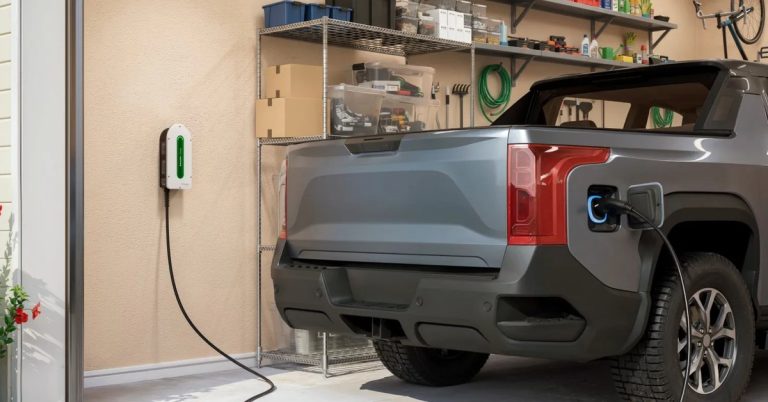
Schneider Electric has introduced its new Charge Level 2 EV charger in the U.S. and Canada, targeting homeowners seeking smart charging solutions. Unlike some competitors, the Schneider Charge includes dynamic load balancing hardware as standard, aiming to simplify installation and use.
Dynamic Load Balancing Included
The Schneider Charge stands out by bundling a pair of current transformer (CT) clamps with every unit, enabling dynamic load balancing straight out of the box. This feature allows the charger to automatically adjust its power draw based on the available capacity in the home’s main panel, helping to prevent tripped breakers and making full use of the existing electrical infrastructure.
If a household’s main breaker is rated for 200 amps and other appliances are using 160 amps, the charger can deliver the remaining 40 amps to the vehicle. As household consumption fluctuates, the charger adapts, ensuring safe and efficient charging.
Comparison with Tesla Wall Connector
Tesla’s Wall Connector, a popular home charging option, requires an additional Remote Meter to enable dynamic load balancing. This extra hardware costs $210 (~AUD 294), bringing the total for a complete setup to $745 (~AUD 1,042) when combined with the $535 (~AUD 749) Wall Connector itself.
In contrast, the Schneider Charge retails for $695 (~AUD 972) and includes the necessary CT clamps for load management in the box. However, installation of the CT clamps requires hardwiring to the charger’s main board, which may be more complex if the charger and main panel are far apart. Tesla’s Remote Meter, by comparison, communicates wirelessly with the Wall Connector, potentially simplifying installation.
Features and Availability
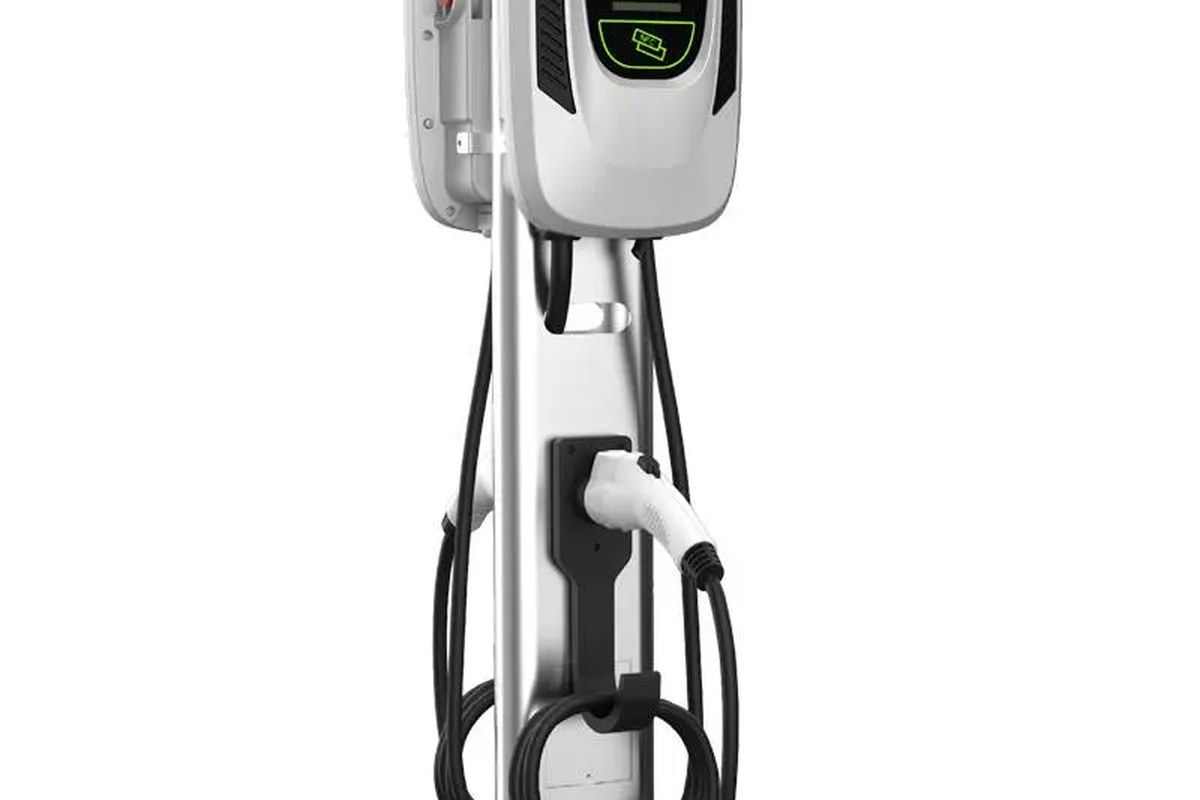
The Schneider Charge delivers up to 11.5 kilowatts at 48 amps and is available with either a NACS or J1772 connector. The unit features a compact enclosure suitable for both indoor and outdoor mounting and comes with a 25-foot cable.
Currently, the charger is only offered as a hardwired model. Schneider Electric has stated that a plug-in version is planned for release early next year. Users can also manage and schedule charging sessions through a dedicated smartphone app.
Why this matters
By including dynamic load balancing hardware as standard, Schneider Electric is addressing a common challenge for homeowners with limited electrical capacity. This approach reduces the need for additional purchases and may simplify the installation process for many users.
The Schneider Charge provides a new option in the home charging market, especially for those comparing features and total costs with established products like Tesla’s Wall Connector.
What this means for buyers
Homeowners considering a Level 2 EV charger now have a choice that includes dynamic load balancing without the need for extra hardware. Those with limited electrical capacity or who want to avoid purchasing add-ons may find the Schneider Charge appealing.
Buyers should consider installation logistics, as the CT clamps require hardwiring to the main board. Those seeking a wireless installation may still prefer Tesla’s solution. A plug-in version of the Schneider Charge is expected to be available next year, which could further broaden its appeal.
Key Specs
- Retail Price: $695 (~AUD 972)
- Maximum Output: 11.5 kW at 48 amps
- Connector Options: NACS or J1772
- Cable Length: 25 feet (~7.6 meters)
- Mounting: Indoor or outdoor
- Dynamic Load Balancing: Included with CT clamps
- Model Availability: Hardwired only (plug-in version coming early next year)
- App Support: Smartphone app for scheduling and management
Source
Images sourced from: electrek.co, chargedevs.com, jointevse.com