
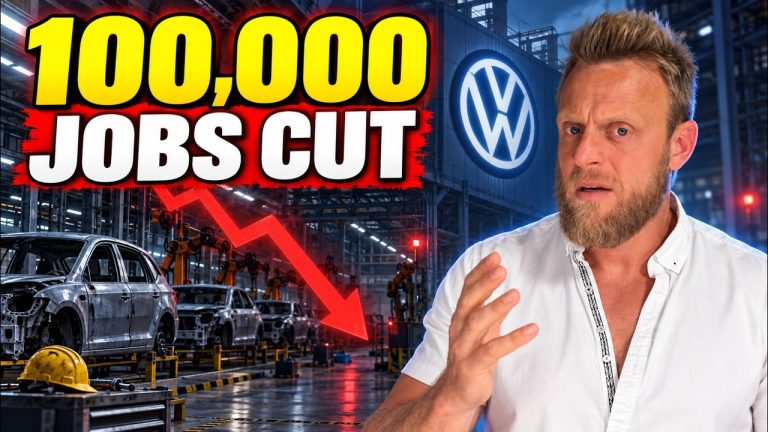
Volkswagen is embarking on one of the most significant restructurings in its history, planning to cut around 100,000 jobs and reduce its model lineup by half by the year 2035. This drastic move is a response to mounting challenges, including fierce competition from Chinese electric vehicle (EV) manufacturers, declining demand in Europe, U.S. tariffs, and soaring production costs.
Context of the Overhaul
The restructuring comes at a time when Volkswagen is under pressure to adapt to a rapidly evolving automotive landscape. The rise of Chinese EV makers has intensified competition, compelling established brands like Volkswagen to reevaluate their strategies. With the transition to electric vehicles gaining momentum, Volkswagen’s decision to streamline its model offerings is seen as a move to enhance efficiency and focus on core products that align with future market demands.
Implications for Volkswagen’s EV Strategy
This overhaul has significant implications for Volkswagen’s electric vehicle strategy. The company intends to prioritize its ID models, which have been central to its transition towards electrification. By halving its model range, Volkswagen aims to concentrate resources on developing and improving its electric offerings, thereby enhancing competitiveness against emerging rivals in the EV market.
Impact on Audi and Porsche
The repercussions of this restructuring will also be felt within Volkswagen’s premium brands, Audi and Porsche. As part of the consolidation process, these brands may see a reevaluation of their product lines, focusing on fewer, more innovative models that can capture consumer interest and adapt to changing market dynamics. This strategic alignment is intended to bolster their positions in the luxury EV segment, where competition is heating up.
Challenges in Production
Volkswagen is grappling with high production costs, which have been exacerbated by ongoing supply chain disruptions and increased material prices. The decision to cut jobs is a difficult yet necessary step to streamline operations and reduce overhead costs. This workforce reduction is expected to affect various levels of the organization, as Volkswagen seeks to create a more agile and responsive operational framework.
Global Auto Industry Outlook
The changes at Volkswagen are reflective of broader trends within the global auto industry. As manufacturers pivot towards electrification and sustainable practices, the market is experiencing a seismic shift. The restructuring not only positions Volkswagen to remain competitive but also highlights the urgent need for traditional automakers to innovate and adapt in an environment increasingly dominated by technology-driven companies.
Conclusion
Volkswagen’s historic overhaul marks a pivotal moment for the automaker as it navigates a challenging landscape characterized by fierce competition, changing consumer preferences, and regulatory pressures. By cutting jobs and streamlining its model lineup, the company aims to enhance its focus on electric vehicles and ensure its long-term viability in the global market. As the automotive industry continues to evolve, all eyes will be on Volkswagen to see how these strategic shifts will unfold in the coming years.
Watch the full video on YouTube: Volkswagen Cuts Half Its Models And 100,000 Jobs In Historic Overhaul

