
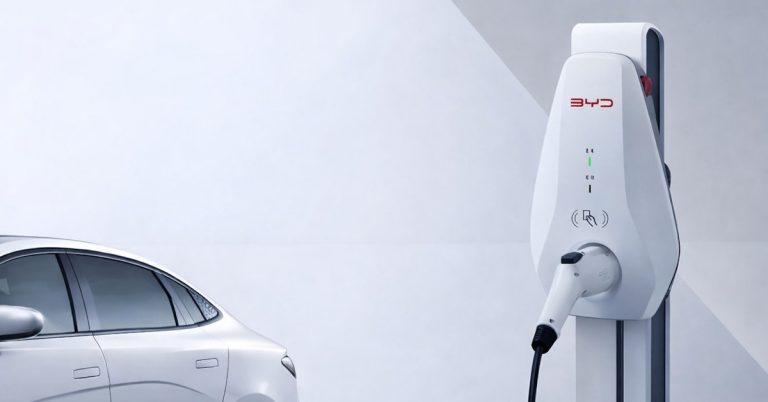
BYD is set to launch its 2,000th highway flash charging station in China on September 24, accelerating its infrastructure rollout ahead of the busy Mid-Autumn Festival and National Day holidays. This milestone comes nearly three months earlier than originally planned, marking a significant step in BYD’s ‘Flash Charging China’ strategy.
BYD Accelerates Flash Charging Rollout
BYD announced that its 2,000th highway flash charging station will open at the Baoying service area in Yangzhou, Jiangsu province on September 24. This achievement comes well ahead of the company’s initial target, which aimed for completion by the end of 2026.
The rapid deployment is timed to support increased travel during China’s Mid-Autumn Festival (September 25–27) and National Day holiday (October 1–7), periods known for heavy highway traffic.
Network Coverage and Expansion Plans
With 2,000 highway stations now operational, BYD’s flash charging network covers nearly a third of China’s expressway service areas. The average distance between stations is just over 100 km (~62 miles), aiming to reduce range anxiety for long-distance EV drivers.
This rollout is part of BYD’s broader goal to establish 20,000 flash charging stations nationwide by the end of the year. As of August 28, 10,000 stations had already been built, and the company needs to add about 80 stations per day to meet its target.
Charging Technology and User Access
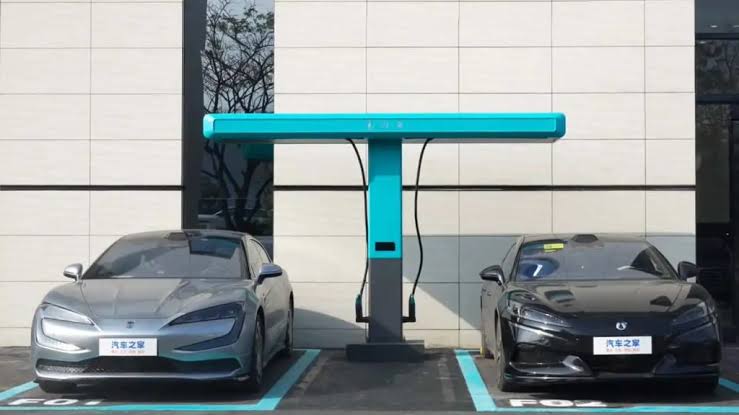
BYD’s second-generation flash chargers, introduced in March, deliver a peak output of 1,500 kW per connector and support 1,000-volt architectures. When paired with the second-generation Blade Battery, these chargers can replenish a battery from 10% to 70% in 5 minutes, or from 10% to 97% in 9 minutes at normal temperatures.
At minus 30°C, charging from 20% to 97% takes only 3 minutes longer than at standard temperatures. The network is open to EVs from all brands, though actual charging speeds depend on each vehicle’s capabilities.
Usage and International Expansion
By the end of August, BYD’s flash charging network had delivered a cumulative 210 million kWh of electricity and served more than 1.83 million users. Nearly a third of these users drive vehicles from other brands.
BYD is also expanding internationally, having completed its first flash charging stations in the UK and planning to deploy 300 stations there this year.
Competitor Comparison
Tesla’s Supercharger network is a major competitor, but BYD’s flash chargers offer a higher peak output of 1,500 kW compared to Tesla’s current offerings. The Ionna DC fast-charging network, which recently topped the 2026 JD Power Public Charging Satisfaction Ranking, is another key rival in the fast-charging space.
Geely Auto is also expected to introduce a megawatt charging solution, highlighting the growing competition among Chinese automakers in high-speed charging technology.
Why this matters
BYD’s accelerated rollout of highway flash charging stations addresses a critical need for reliable, high-speed charging infrastructure during peak travel periods in China. With nearly a third of expressway service areas now covered, long-distance EV travel is becoming more practical and convenient.
This infrastructure push is especially significant given BYD’s dominant position in China’s new energy vehicle market, where it held a 26–34% share in 2024–2025 despite a recent year-over-year sales decline.
What this means for buyers
For EV owners in China, BYD’s expanded flash charging network means shorter wait times and more accessible charging options on major highways, particularly during busy holiday seasons. Drivers of non-BYD vehicles can also benefit, as the network is open to all brands.
Buyers considering an EV for long-distance travel should factor in the availability of high-speed charging infrastructure like BYD’s when making their decision.
Key Specs
- Number of Highway Flash Charging Stations: 2,000
- Average Station Spacing: 100 km (~62 miles)
- Peak Charger Output: 1,500 kW
- Supported Voltage Architecture: 1,000 volts
- Charging Time (10% to 70%): 5 minutes (with Blade Battery, normal temperature)
- Charging Time (10% to 97%): 9 minutes (with Blade Battery, normal temperature)
- Total Energy Delivered: 210 million kWh (as of August 2026)
- Total Users Served: 1.83 million (as of August 2026)
Source
Images sourced from: electrek.co

