

My dad Trevor has been living full-time in his caravan, and until recently, he was constantly running into power limitations. With just two small 100 amp hour lithium batteries—about 2.5 kilowatt hours total—he could only run the lights, fridge, and charge his phone. Anything that heated or cooled, like a kettle, microwave, or air conditioner, was out of the question unless he was plugged into a powered site.
Upgrading to What Cycle Lithium Iron Phosphate Batteries
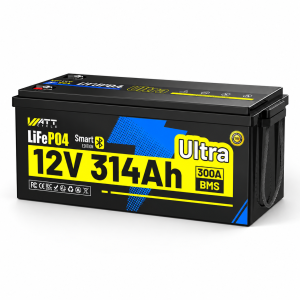
To solve this, What Cycle Australia sent three of their 12V 314Ah ultra batteries. These are lithium iron phosphate (LiFePO4), which is the ideal chemistry for caravans: they handle heat well, are tough to damage, and are rated for thousands of charge cycles. Each battery holds just over 4 kilowatt hours, and they sell for around A$870 (~$611) each, or about $570 (~AUD 811).
By installing just two of these batteries, my dad quadrupled his storage—from 2 kWh to 8 kWh. That’s more than three times what he had before. The third battery is kept in reserve for now, but even just two have made a massive difference.
Testing the New Setup: All Appliances at Once
We put the new system to the test by turning on every major appliance in the caravan: the toaster, air conditioner, microwave (with some questionable moldy gluten-free bread), heater, and every light. The batteries handled it all without a hitch. While I don’t recommend running everything at once, it was impressive to see the system cope with such a heavy load.
Inverter Upgrade: The Key to Big Appliances
The batteries alone weren’t enough. The old inverter simply wasn’t designed for large appliances. So, my dad installed a new 3000 watt pure sine wave inverter. This was the crucial step that turned the battery upgrade into a true off-grid system. Now, the kettle, microwave, and air conditioner can all run with nothing plugged in—a huge improvement over the old setup.
Charging Remains Flexible
Charging the new batteries is straightforward. There’s 400 watts of solar on the caravan roof, the car tops up the batteries while driving, and a mains charger takes over when parked at powered sites. The upgrade hasn’t changed the charging routine, just massively increased how long he can run everything off-grid.
What This Means for Caravan Owners
I think this kind of battery and inverter upgrade is a game-changer for anyone who wants true off-grid capability in their caravan. With 8 kWh of storage and a robust inverter, you can run all your major appliances without relying on powered sites. It’s a significant investment—about A$1,740 (~$1,223) for two batteries plus the inverter—but the freedom and comfort it brings are well worth it.

