
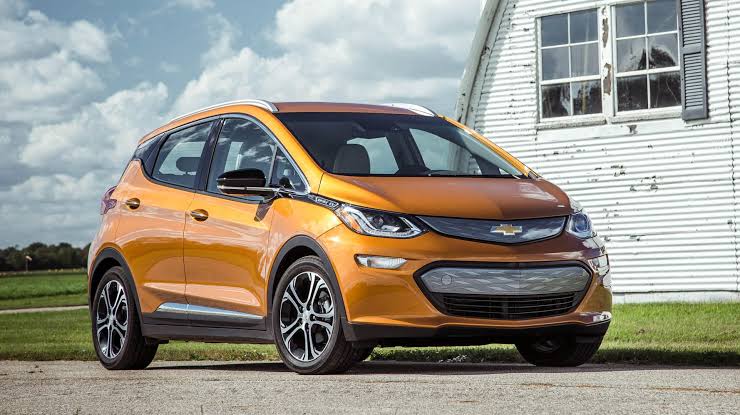
A 2019 Chevrolet Bolt EV has clocked more than 470,000 miles (~756,000 km), offering compelling evidence that electric vehicles can go the distance. Featured on the Out of Spec Renew YouTube channel, this Bolt continues to run on its original electric motor and a replacement battery, highlighting the longevity of modern EVs.
High-Mileage Performance
The 2019 Chevrolet Bolt EV showcased by Out of Spec Renew has accumulated over 470,000 miles (~756,000 km) on its odometer. Remarkably, the car is still operating with its original electric motor, underscoring the durability of EV drivetrains.
After experiencing battery faults and cell-voltage imbalances, the Bolt received a replacement battery from a 2017 model. Since the swap, the vehicle has covered 330,000 miles (~531,000 km) on the post-recall battery, keeping the owner on track to reach the half-million mile mark.
Battery Replacement and Costs
The Out of Spec Renew team paid $1,800 (~AUD 2,561) for the replacement battery. They estimate that most consumers would pay between $2,500 (~AUD 3,557) and $3,000 (~AUD 4,268) for a similar battery pack. The process involved powering up, programming, and getting the Bolt back on the road, demonstrating that high-mileage EVs can remain viable with proper maintenance.
Competitor Comparison
The Chevrolet Bolt EV stands out for its affordability and longevity, but it faces competition from several mainstream electric vehicles. The Nissan Leaf, priced at $29,990 (~AUD 42,668), remains one of the most affordable EVs after the Bolt and has a long track record in the segment. The Tesla Model 3 is another major competitor, known for its high sales volume and benchmark status among compact electric sedans and hatchbacks. Chevrolet’s own Equinox EV, starting at $35,000 (~AUD 49,796), offers a slightly larger alternative for buyers considering an upgrade from the Bolt.
Historical Context
Stories of high-mileage EVs are becoming more common. For example, a Ford Mustang Mach-E has reached 250,000 miles (~402,000 km) while maintaining 92% of its battery life, and a Hyundai IONIQ 5 has achieved 360,000 miles (~579,000 km) with 87% battery health. Tesla Model S, 3, and Y vehicles used in ride-sharing fleets have also surpassed six-figure mileages, further supporting the case for EV longevity.
Regional Availability
The Chevrolet Bolt EV has been widely available in North America and remains a popular choice for drivers seeking an affordable entry into electric mobility. Its reputation for reliability and low running costs has contributed to its sustained presence in the market.
Why this matters
The experience of this high-mileage Chevy Bolt EV provides real-world evidence that electric vehicles can deliver long-term reliability, even as they accumulate hundreds of thousands of miles. With the original motor still in use and a replacement battery supporting continued operation, the Bolt demonstrates that EVs can be a practical, long-lasting alternative to traditional combustion vehicles.
What this means for buyers
For prospective EV buyers, the Chevy Bolt EV’s performance at high mileage suggests that concerns about battery and drivetrain longevity may be overstated. Buyers can expect lower maintenance needs and the potential for extended vehicle life, especially with affordable battery replacement options. Those considering a used Bolt or similar EV can be reassured by these real-world results.
Key Specs
- Model Year: 2019
- Total Mileage: 471,625 miles (~759,300 km)
- Mileage on Replacement Battery: 330,000 miles (~531,000 km)
- Original Electric Motor: Yes
- Replacement Battery Cost (paid by OOSR): $1,800 (~AUD 2,561)
- Estimated Consumer Battery Replacement Cost: $2,500 (~AUD 3,557) to $3,000 (~AUD 4,268)
Images sourced from: electrek.co, cars.com, autoweek.com

