
China has reached a significant milestone in its energy sector as its installed solar capacity surpassed that of coal for the first time. As of the end of July 2026, China’s solar capacity reached 1,286 gigawatts (GW), slightly exceeding coal’s capacity of 1,285 GW. This landmark moment highlights a crucial shift in the country’s energy landscape, where renewable energy sources are beginning to outpace the growth in demand, contributing to a decline in coal’s share of the electricity generation mix.
Despite this achievement in installed capacity, it’s important to note that coal still plays a dominant role in China’s electricity generation. With a much higher capacity factor, coal still produces approximately 3.5 times more actual electricity compared to solar power. This disparity underscores the challenges that renewable energy must overcome to match coal’s output in practical terms.
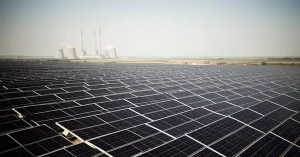
Declining Coal Share and Growing Renewables
The shift in energy production dynamics has led to coal’s share of electricity generation falling below 50% for the first time. This transition is partly driven by the increasing penetration of wind and solar energy into the national grid. Analysts predict that by the end of 2026, wind and solar energy combined could represent around half of China’s total power capacity, a significant development in the country’s ongoing energy transition.
The growth of solar capacity in China is a reflection of the government’s push towards cleaner energy sources, which aligns with global trends aimed at reducing carbon emissions and combating climate change. The Chinese government has implemented various policies and incentives to promote the development and installation of renewable energy technologies, contributing to the rapid expansion of solar power across the nation.
Implications for the Future
As solar energy continues to grow, the implications for both energy policy and market dynamics are profound. The milestone of surpassing coal in installed capacity may accelerate investments in renewable technologies, as both domestic and international stakeholders recognize the potential for solar and wind energy to meet rising energy demands sustainably. Furthermore, this achievement may influence global perceptions of China as a leader in renewable energy innovation and deployment.
While the installed capacity figures are encouraging, the challenge remains in enhancing the efficiency and reliability of solar energy generation. Continued advancements in technology, grid integration, and energy storage solutions will be essential to ensure that solar can effectively compete with coal in terms of actual electricity production.
This development comes amidst broader discussions about energy security and sustainability, with countries around the world looking to reduce their reliance on fossil fuels. China’s progress in solar energy could serve as a model for other nations aiming to transition to greener energy sources while addressing the pressing issues of climate change and energy reliability.
As the global energy landscape continues to evolve, the attention will now shift to how China navigates this transition and what steps will be taken to further bolster its renewable energy sector, potentially reshaping the future of energy consumption both domestically and globally.
Watch the full video on YouTube: China’s Solar Capacity Just Overtook Coal — Here’s What Happens Next