
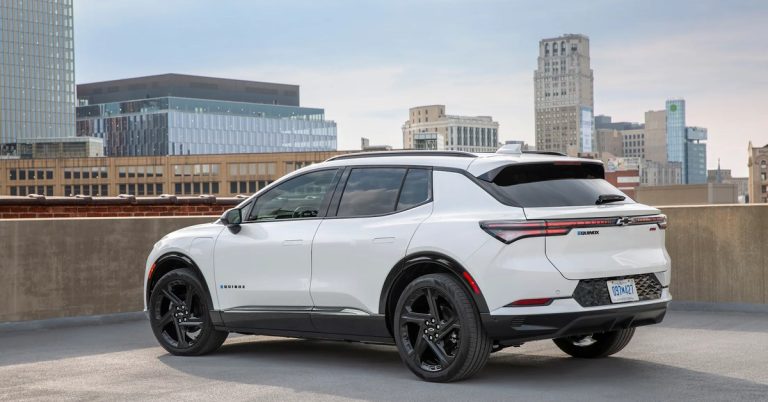
The 2026 Paris Auto Show marked a turning point for electric vehicles, with both Chinese and European automakers unveiling a wide range of new models. The event highlighted a surge in affordable EV options, reflecting a shift in strategy as brands compete for value-conscious buyers. This year’s show demonstrated renewed energy and innovation from both established and emerging players.
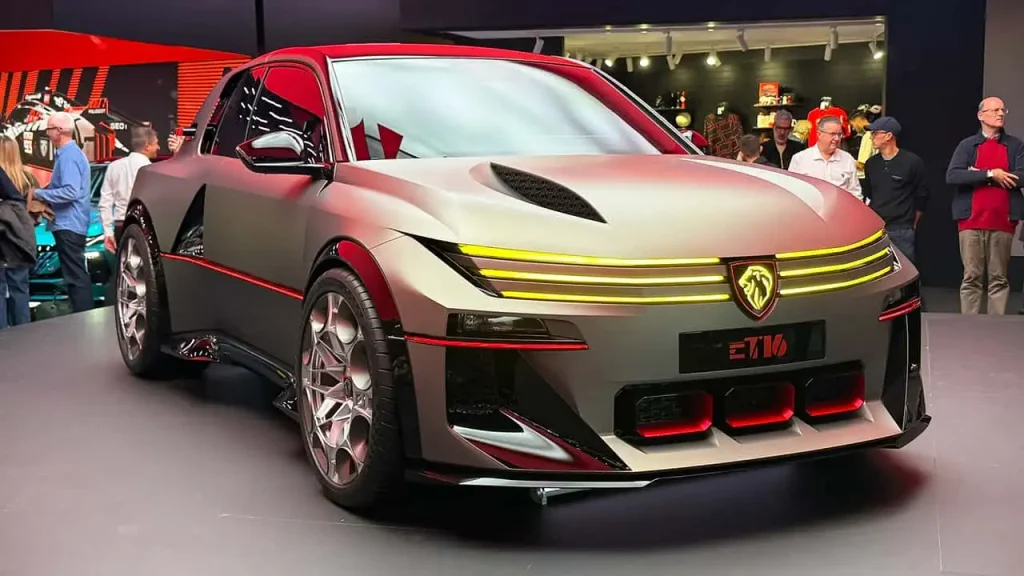
A Shift from Past Years
Four years ago, the Paris Auto Show was seen by many as a fading event, with some describing it as if the ‘auto show was dead.’ Major European brands were largely absent or showed little beyond minor updates to existing models. In contrast, Chinese automakers like BYD and Great Wall Motors made their debut, presenting new EV and PHEV models that appealed to European tastes and budgets.
These early appearances by Chinese brands introduced affordable small hatchbacks and crossovers, filling a gap left by local manufacturers. Their presence sparked significant interest among French consumers, even as they remained relatively unknown at the time.
2026: A Competitive Landscape Emerges
The landscape has changed dramatically in 2026. This year’s Paris Auto Show was a showcase of new models and concepts from both Chinese and European brands. Renault impressed with production models from Dacia and concepts from Alpine and Renault, including the Renault E-Space concept—an electric MPV inspired by the original Espace from the 1980s.
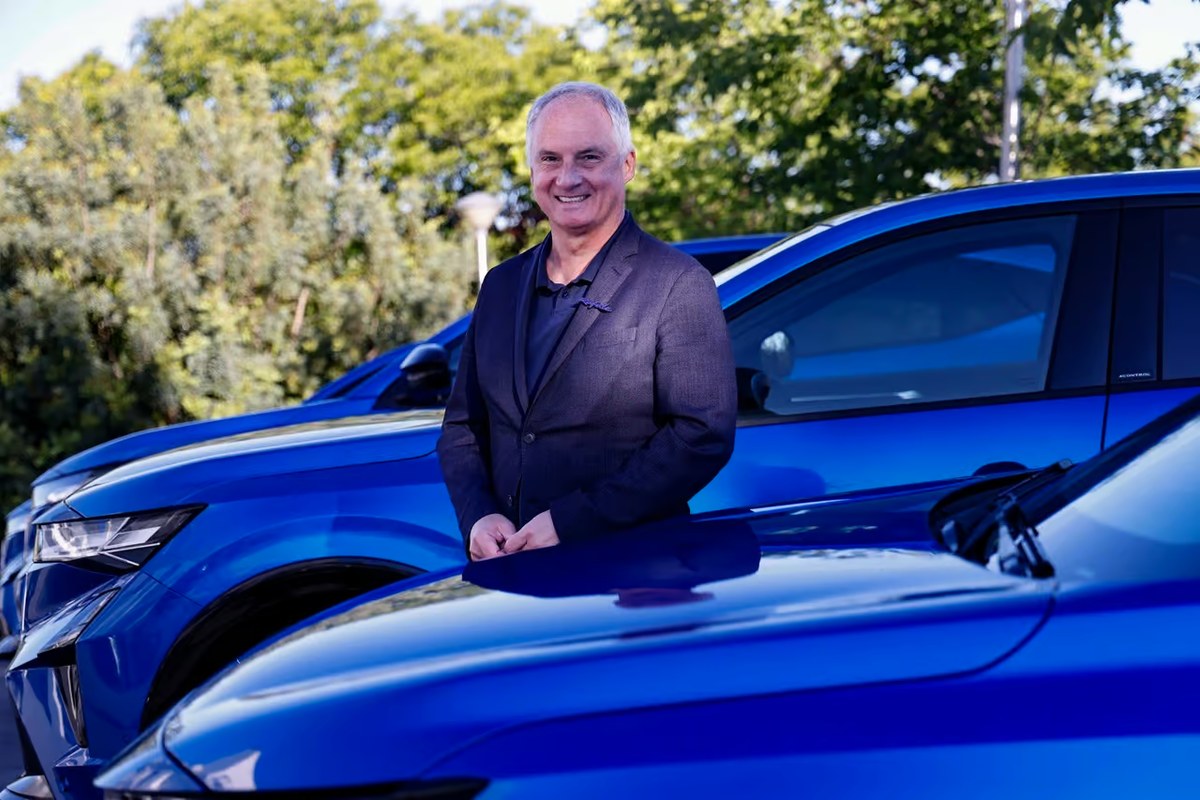
Renault Group Chief Growth Officer Fabrice Cambolive described the company’s electrification approach as ‘Voitures à vivre,’ or ‘cars for living,’ emphasizing vehicles designed to integrate electrification into everyday life. Stellantis also brought a range of concepts from its European brands, many of which were EVs aimed at providing affordable options.
Affordable EVs Take Center Stage
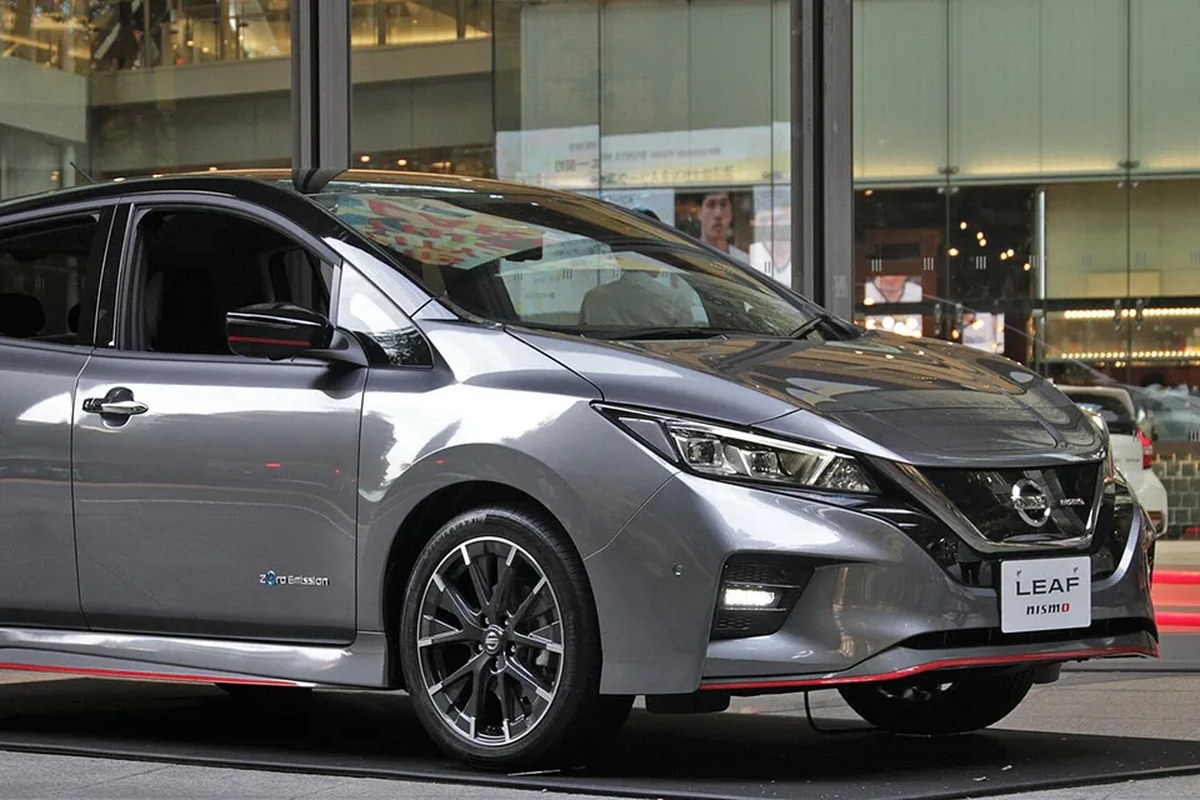
One of the show’s highlights was the Citroën 2CV concept, targeting a price of $16,863 (~AUD 24,276). When it reaches the market, it will join a growing list of accessible EVs such as the Renault Twingo, Dacia Spring, Nissan Pixo, Kia EV2, and Volkswagen ID. Polo. These models reflect a broader push by European brands to compete directly with Chinese manufacturers on price and practicality.
Meanwhile, an estimated 25 Chinese brands attended the show, offering vehicles across all price ranges. Companies like BYD, Geely, and Xpeng are not only selling cars but also investing in European manufacturing. Xpeng’s L03 compact crossover, for example, has received 12,000 orders since its summer launch and will be produced in Austria by Magna-Steyr.
Collaboration and Rapid Development
The 2026 Paris Auto Show also highlighted increasing collaboration between Chinese and European companies. Leapmotor debuted its B03 hatchback and B03X small crossover, with both models arriving in Europe just weeks after their Chinese launches. According to Stellantis Pro One head Antonio Filosa, working with Leapmotor has helped accelerate development and manufacturing timelines.
The Dacia Spring, another new release, was developed in under two years, underscoring the industry’s push to bring affordable EVs to market quickly.
Industry Perspectives
Industry analyst and consultant Lei Xing summarized the event by saying, ‘If I had to summarize this year’s Paris Motor Show, it would be hope, introspection, and integration. European brands are trying hard, and they are starting to figure some things out, even if it means the Chinese providing a compromise in terms of halving the hybrid/plug-in export volume but at the same time getting help from the Chinese.’
This sentiment reflects a new era of cooperation and competition, with both sides adapting to the rapidly evolving EV market.
Why this matters
The 2026 Paris Auto Show demonstrates that affordable electric vehicles are no longer limited to a handful of brands or regions. Both Chinese and European automakers are responding to consumer demand for practical, budget-friendly EVs, leading to greater choice and innovation.
This shift is significant for the global EV market, as it signals a move toward broader adoption and increased competition, which could drive down prices and improve technology for all buyers.
What this means for buyers
For consumers, the growing selection of affordable EVs from both Chinese and European brands means more options and better value. Buyers in Europe can expect to see new models arriving quickly, often at lower price points than before.
Those considering an EV purchase should watch for upcoming releases from both established and new manufacturers, as competition is likely to keep improving features and affordability.
Key Specs
- Citroën 2CV Concept Target Price: $16,863 (~AUD 24,276)
- Xpeng L03 Orders (2026): 12,000
- Number of Chinese Brands at 2026 Paris Auto Show: 25
- Leapmotor B03 and B03X European Debut: Weeks after Chinese launch
- Dacia Spring Development Time: Less than two years
Images sourced from: evchargingstations.com, goodcar.com, journalauto.com

