
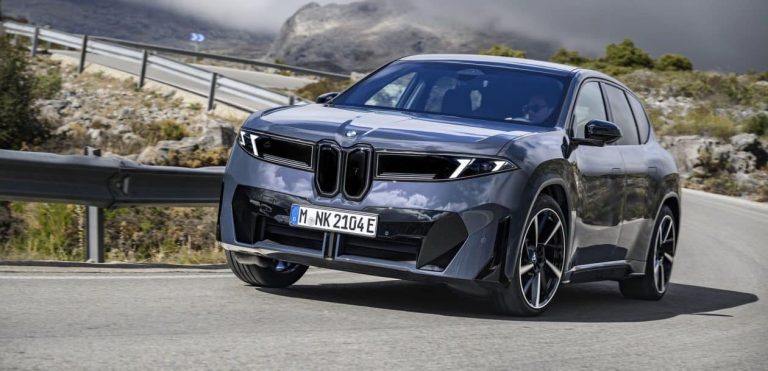
The BMW iX3 makes a strong case as one of the most advanced EVs yet, combining excellent handling, high efficiency, ultra-fast charging and an unusually thoughtful display setup. But it is not flawless: some interior materials, the steering wheel design, the firm ride and the side profile keep it from being a complete clean sweep.
BMW’s latest iX3 makes a bold argument that the brand has moved into a new EV era. It pairs a distinctive new design with a fresh platform, an advanced electrical architecture and software-heavy control systems that make it feel far more modern than most electric SUVs.
But even a standout EV has trade-offs. After spending time with the iX3, the strongest impressions came down to three areas it does especially well and three areas where BMW still leaves room for improvement.
What the iX3 does especially well
It drives like a proper BMW
The iX3’s biggest achievement is the way it behaves on the road. According to the source review, it is the best-handling BMW SUV to date, surpassing even the iX in dynamic ability.
The battery pack is part of the vehicle’s structure, which helps create a very rigid chassis. That stiffness, combined with the Neue Klasse platform, gives the iX3 a level of precision and balance that makes it unusually enjoyable in corners for a large electric SUV.
It is not as aggressively focused as the Porsche Macan EV, but it still delivers a sporty, controlled feel. With traction control switched off, the rear end can step out in a way that feels familiar to longtime BMW drivers, yet the slide is described as easier to catch than in other BMW EVs.
Another standout feature is the smoothness of the power delivery. BMW’s Heart of Joy supercomputer coordinates how the vehicle drives, and one of its most impressive tricks is the so-called limo stop function, which brings the car to a halt in an exceptionally smooth way when the driver lifts off.
Range and charging are a major strength
BMW claims a WLTP range of 505 miles, or 800 kilometers, and the reviewer noted that this figure can actually be exceeded under ideal conditions such as lower speeds and limited climate-system use. In regular driving, the iX3 reportedly returned about 3.7 miles per kWh, or 17 kWh/100 km, which is a strong result for a large SUV.
That efficiency is supported by an 800-volt electrical architecture, upgraded battery cells and improved drive units. The result is fast charging capability of up to 400 kW, allowing a 10% to 80% top-up in 21 minutes.
BMW also says the iX3 can add 217 miles of range in 10 minutes, which puts it firmly in the category of long-distance EVs designed to reduce road-trip downtime.
The displays are more thoughtful than flashy
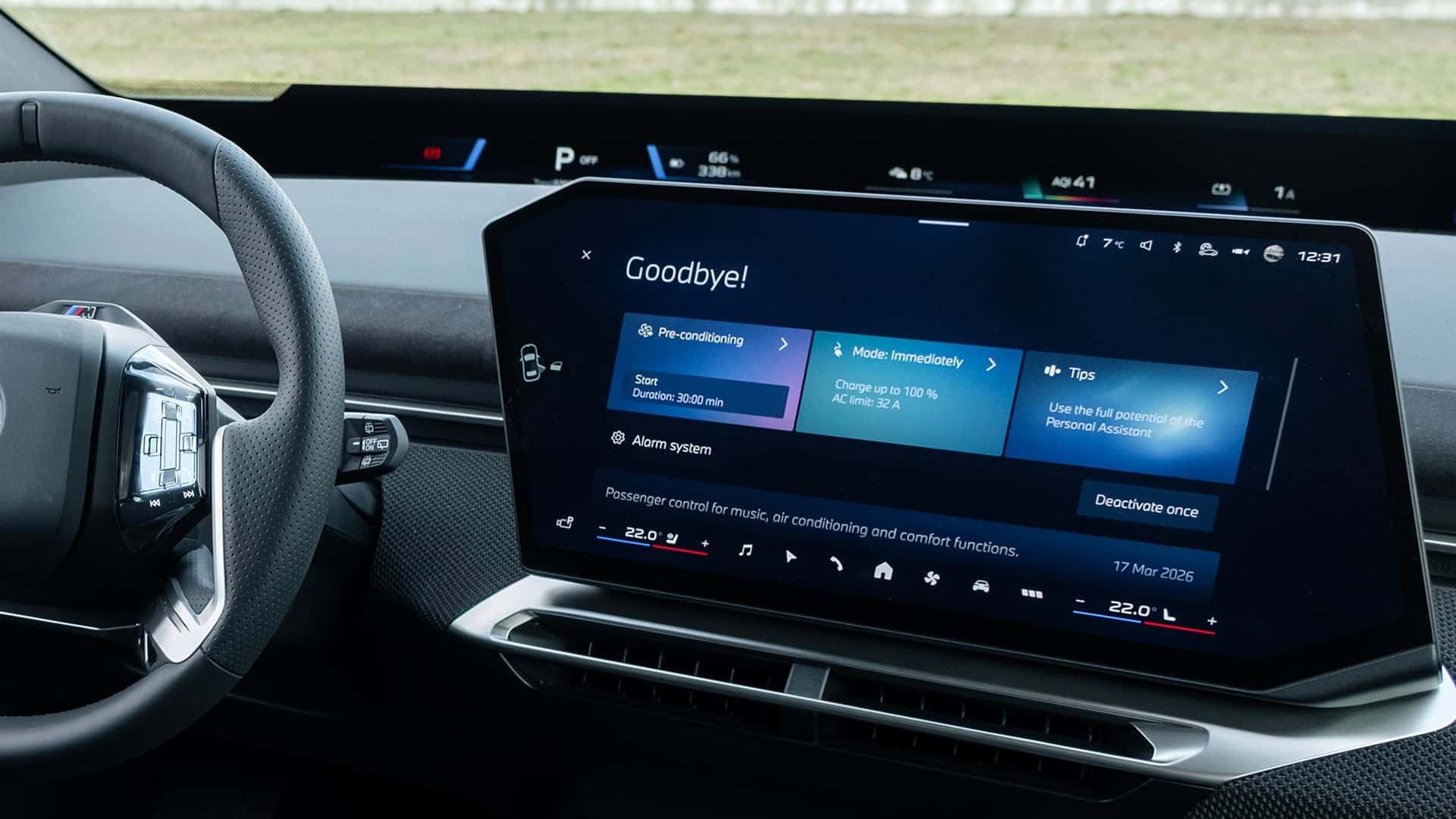
The interior screen layout is one of the iX3’s more interesting design choices. BMW uses a slanted central display along with a panoramic display projected below the windshield rather than scattering the cabin with extra screens.
That keeps the dashboard from feeling overdesigned, especially compared with some newer rivals that add screens for the sake of novelty. The central infotainment display is said to be easier to use than a conventional rectangle and to perform better than previous BMW systems.
The panoramic display is the most praised part of the setup. Because it sits in the driver’s line of sight, it reduces the need to glance downward and can show key information along with six customizable widget slots.
Where the iX3 still misses the mark
Some cabin materials do not feel premium enough
Not everything inside the iX3 feels appropriate for a vehicle that in the tested form cost more than €82,000. The reviewer singled out BMW’s knitted plastic trim as a weak point, arguing that it comes across more like cost-saving material dressed up as premium design.
The criticism is not that the material is unusable, but that it does not quite match the expected feel of a high-end SUV. It may work better in smaller, less expensive cars, but in this context it stands out as a compromise.
The steering wheel design also drew criticism. Because BMW has rethought the dashboard layout, the wheel no longer needs to block the driver’s display, but the vertical-spoke design still feels awkward to some eyes. An M Sport version was seen as slightly more conventional, but the overall shape remained unusual.
The ride can feel firm, and steering effort is high at low speeds
BMW does not currently offer adaptive dampers on the iX3, and that shows on rougher roads. The tester’s M Sport version, fitted with 21-inch wheels, was described as somewhat busy over imperfections.
The car is not uncomfortable all the time, but when the road surface deteriorates, the stiff structure transmits more movement into the cabin than some buyers may want. The larger wheels only make that more noticeable.
Low-speed steering behavior is another downside. The driver has to use a surprising amount of lock, which makes tight maneuvers feel more old-school than expected at a time when some EVs are moving toward steer-by-wire systems.
The side profile is less interesting than the front and rear
The iX3’s front and rear ends grow on you, according to the review, but the body sides are less convincing. From the side, the SUV can look somewhat flat and visually plain, even though its proportions are sporty and the wheels are pushed outward for a planted stance.
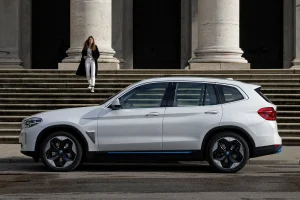
The criticism is similar to what has been said about the BMW iX: the surfaces can feel slab-like. A stronger character line or extra crease might have helped emphasize the muscular shape of the bodywork.
That said, the design appears to improve with time, and the reviewer ultimately warmed to it. In other words, the iX3 may not win immediately on looks, but it is unlikely to be dismissed once people spend more time with it.
The bigger picture
The BMW iX3 appears to be one of the clearest examples yet of a traditional premium automaker taking a serious leap in EV design. It combines strong range, very fast charging and genuinely engaging handling with a cabin that is more forward-looking than cluttered.
At the same time, the car also shows that innovation does not erase every compromise. Interior material choices, ride tuning and styling details still matter, especially in an expensive SUV aimed at buyers who expect both technology and polish.
Why This Matters
The iX3 matters because it shows where BMW’s next-generation EV strategy is heading. If its claimed range, 800-volt charging speed and driving dynamics hold up in broader testing, it could become a benchmark for how premium electric SUVs should balance efficiency, performance and everyday usability.
It also highlights a key tension in the EV market: new tech can improve range and software, but customers still notice the basics, including ride comfort, steering feel and interior materials. That balance will shape how well BMW’s Neue Klasse models are received beyond the enthusiast crowd.
Key Specs
- Model: BMW iX3 [Neue Klasse]
- Claimed range: 505 miles (800 km) WLTP
- Observed efficiency: about 3.7 miles/kWh (17 kWh/100 km)
- Charging architecture: 800-volt
- Peak charging speed: up to 400 kW
- 10% to 80% charging time: 21 minutes
- 10-minute range added: 217 miles
- Tested price: more than €82,000
- Wheels on tester: 21 inches
- Display setup: central infotainment screen plus panoramic windshield display
- Software: latest iDrive generation, referred to in source as OS X [VERIFY]
Source: InsideEVs

