
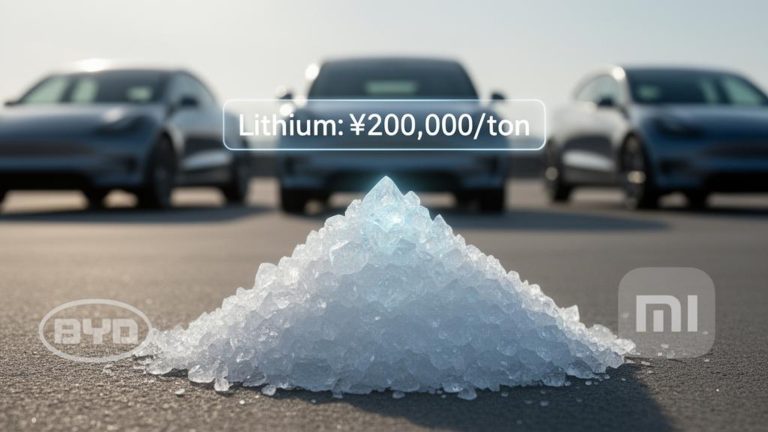
China’s New Energy Vehicle market is seeing a broad round of price increases as automakers face higher costs for lithium carbonate, storage chips, and other raw materials. More than 15 major brands, including BYD, Xiaomi, and several joint ventures, have adjusted vehicle prices or option costs, signaling a shift away from aggressive discounting toward cost-driven inflation.
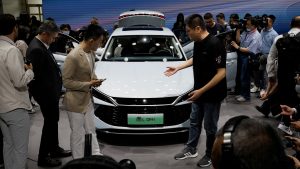
China’s New Energy Vehicle (NEV) market is entering a more expensive phase. After years of intense price competition, more than 15 automakers have recently raised prices on vehicles or optional features as supply chain costs climb, according to Chinese media outlet Jiemian News.
The pressure is coming from multiple directions at once: battery-grade lithium carbonate has jumped sharply, storage chip prices are rising because of demand from artificial intelligence servers, and key industrial metals such as aluminium and copper have also moved higher. Together, those changes are reshaping pricing across China’s fast-growing EV sector.
Automakers begin passing on higher costs
One of the clearest signs of the shift came from BYD. On April 28, the company said the “God’s Eye B” ADAS laser edition option for its Dynasty, Ocean, and Fangchengbao models would rise from 9,900 yuan to 12,000 yuan, effective May 1, 2026. That represents an increase of 2,100 yuan, or about $300.
Other Chinese brands quickly followed. Changan Nevo, also known as Qiyuan, said on April 30 that the guide price for its Q07 SDA Intelligent Laser Edition built after May 7 would increase by 3,000 yuan. GAC Aion also raised prices for models such as the Aion Y Younger and Aion S Plus by between 3,000 yuan and 6,000 yuan.
Xiaomi’s SU7, which launched in March, has also become more expensive. The Standard, Pro, and Max versions all rose by 4,000 yuan. Joint-venture brands are seeing similar adjustments, with Volkswagen’s ID. lineup up by 4,000 yuan to 7,000 yuan and Toyota’s bZ4X increasing by 6,000 yuan.
Tesla pushes back on price rumors
Tesla China denied reports that it would raise prices on the Model Y Long Range and Performance versions by 18,000 yuan and 20,000 yuan, respectively. On May 15, the company described those claims as “fake news,” according to ITHome.
Even so, Tesla has reduced the appeal of its financing offers. Its previous 7-year low-interest “Special Enjoyment” plan ended on April 30. A new “Easy Loan” program launched on May 13 offers 5-year terms with different interest rates and down payments, which can increase the overall cost for buyers. Other brands such as Zeekr and Avatr have also cut back on zero-interest financing.
Why costs are rising now
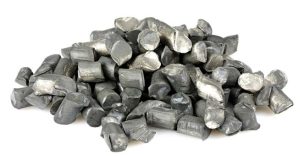
The biggest pressure point is lithium carbonate. Battery-grade lithium carbonate reportedly cost about 75,000 yuan per ton in July 2025, but has now climbed to nearly 200,000 yuan per ton in less than a year. As of May 15, futures were trading around 194,000 yuan per ton.
Chip prices are rising for a different reason. The rapid growth of generative AI has redirected semiconductor supply toward AI servers, leaving less capacity for automotive storage chips. Jiemian said those chips have become about 180% more expensive over the past three months, while high-end DDR5 memory has surged by more than 300%.
UBS estimates cited by Jiemian suggest that higher chip costs alone have added between 3,000 yuan and 7,000 yuan to the cost of an intelligent vehicle. Meanwhile, aluminium has climbed above 25,000 yuan per ton and copper has reached 100,000 yuan per ton, adding roughly 1,800 yuan to the raw material cost of a mid-sized electric vehicle.
Margins are already under pressure
The timing is especially difficult because China’s auto industry has already been squeezed by years of price wars. Data from the China Passenger Car Association shows that the domestic auto sector’s profit margin fell to 3.2% in the first quarter of 2026. In the January-February period, it dropped to 2.9%, the lowest level in a decade.
Total industry profit for the first quarter of 2026 declined 18% year on year to 78.4 billion yuan. Cui Dongshu, secretary-general of the CPCA, said high-end NEV makers with margins above 20% are better positioned to absorb the shock, while lower-priced brands are closer to break-even.
Industry insiders quoted by Jiemian said more brands, including Leapmotor, are now considering price changes. A universal price increase across the market still looks unlikely because competition remains fierce, but the long period of deep discounting appears to be ending.
What happens next
For buyers, the key question is whether the current round of increases is a temporary response to input costs or the start of a broader reset in China’s EV market. If lithium, chips, and metals stay elevated, more automakers may be forced to protect margins rather than chase volume with discounts.
That would mark an important change for the world’s largest EV market. Instead of racing to cut prices, Chinese automakers may be entering a phase where supply chain inflation determines how much technology, features, and range consumers can get for their money.
Why This Matters
This story matters because China’s NEV market is a global benchmark for electric vehicle pricing, battery supply chains, and competitive strategy. When Chinese automakers raise prices, it often reflects broader cost pressures that can eventually affect export markets, component suppliers, and even rival EV makers outside China.
It also signals a possible turning point after years of aggressive price cuts. If higher lithium, chip, and metal costs persist, automakers may have less room to discount vehicles, which could change buyer expectations and reshape the pace of EV adoption.
Key Specs
- BYD God’s Eye B ADAS laser option: 9,900 yuan to 12,000 yuan, effective May 1, 2026
- Changan Nevo Q07 SDA Intelligent Laser Edition: price up 3,000 yuan for units produced after May 7
- GAC Aion models: price increases of 3,000 yuan to 6,000 yuan
- Xiaomi SU7: price up 4,000 yuan across Standard, Pro, and Max versions
- Volkswagen ID. series: up 4,000 yuan to 7,000 yuan
- Toyota bZ4X: up 6,000 yuan
- Lithium carbonate: about 75,000 yuan per ton in July 2025, nearly 200,000 yuan per ton by mid-May 2026
- Auto industry profit margin: 3.2% in Q1 2026
- Domestic auto industry profit: down 18% year on year to 78.4 billion yuan in Q1 2026
Source: CarNewsChina

