
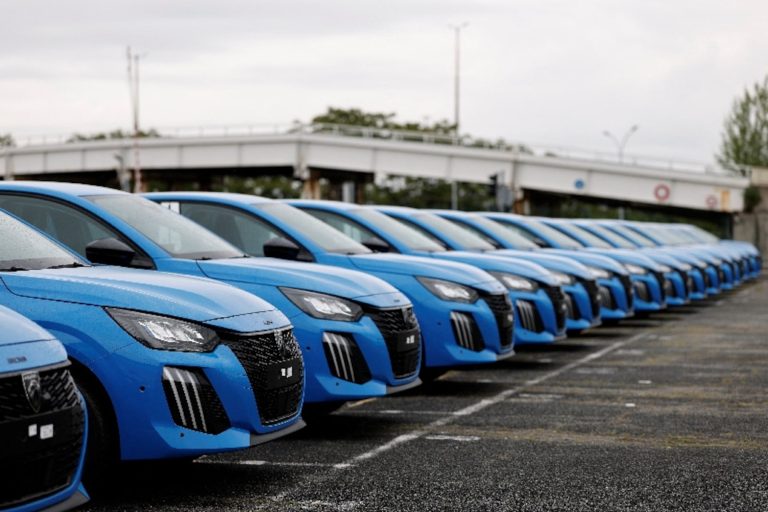
Stellantis and Dongfeng have signed a new cooperation agreement to expand production of Peugeot and Jeep new-energy vehicles at the DPCA joint venture in Wuhan starting in 2027. The project, worth more than 8 billion yuan ($1.18 billion), marks Jeep’s return to localized production in China and reflects a broader trend of foreign automakers relying on Chinese partners for NEV development.
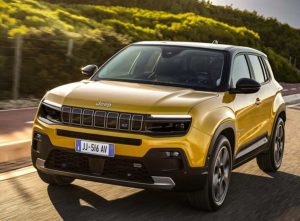
Stellantis and Dongfeng Group have signed a new strategic cooperation agreement that will bring additional Peugeot and Jeep new-energy vehicles to the Wuhan plant from 2027, according to CLS. The project signals a fresh phase for the long-running joint venture in China and a renewed local manufacturing role for Jeep.
Under the plan, the Dongfeng Peugeot Citroën Automobile joint venture is expected to build four new models in Wuhan: two Peugeot-branded NEVs and two Jeep-branded off-road NEVs. The Jeep vehicles are intended for export to global markets, while the Peugeot models will be sold in China and overseas.
More than 8 billion yuan in investment
The program carries total investment of more than 8 billion yuan, or about $1.18 billion. Stellantis is expected to contribute roughly 130 million euros, though the company has not publicly broken down the rest of the funding structure.

The announcement is notable because it brings Jeep back to localized production in China after the GAC-Stellantis joint venture was ended in 2022. For Stellantis, the move appears to be part of a broader effort to rebuild its China presence using a different partner and a more EV-focused product plan.
What is known about the new models
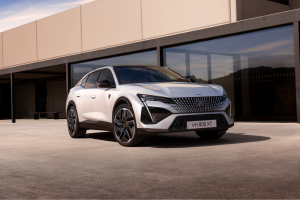
Stellantis did not reveal the platform, battery supplier, or powertrain details for the new vehicles. The company did say the new Peugeot vehicles will follow the design direction previewed by concept cars shown at the 2026 Beijing Auto Show. That suggests the production models will likely carry a more modern styling language, though final designs have not been disclosed.
Why the timing matters
The agreement comes as foreign automakers increasingly rely on Chinese manufacturing and engineering partners to speed up NEV development and control costs. Rather than developing every component independently, many global groups are now blending local platforms, software, and battery ecosystems into joint projects.
That trend has been visible in other recent deals. In April, Chery and JLR introduced the Freelander 8 SUV with Huawei ADS 5 driver assistance and CATL 6C charging technology, underscoring how Chinese EV systems are becoming embedded in joint-venture products.
Stellantis deepens its China strategy
Stellantis has also been widening its relationship with Leapmotor after taking a 21% stake in the Chinese EV maker in 2023. The companies recently said they would expand cooperation beyond distribution and into manufacturing in Europe, showing that Stellantis is pursuing a multi-partner approach to electrification.
Leapmotor’s domestic sales reached 57,161 units in April 2026, up 101.9% year on year, giving the brand a 4.1% share of the Chinese market that month, according to China EV DataTracker. Those numbers help explain why Stellantis is continuing to invest in Chinese EV capabilities and alliances.
Leadership comments and broader implications
Stellantis said the new project will combine its global brands with “cutting-edge EV technologies.” Dongfeng chairman Yang Qing said the agreement supports the transformation of DPCA’s operations in Wuhan. The two companies also signed a separate non-binding memorandum of understanding to expand cooperation in research, development, and manufacturing.
For readers, the significance is twofold. First, Jeep is returning to Chinese production in a new form after a difficult restructuring period. Second, the deal shows that China is not only a huge EV market, but also an increasingly important engineering and export base for global automakers.
Why This Matters
This deal matters because it shows how global carmakers are changing their China strategy. Instead of simply selling imported vehicles, Stellantis is using a Chinese joint venture to develop and build new energy vehicles for both domestic and overseas markets.
It also marks Jeep’s return to localized production in China after the end of the GAC-Stellantis venture in 2022. For the industry, that is a clear sign that China remains central to EV development, supply chains, and export planning even for established Western brands.
Key Specs
- Announcement date: May 15, 2026
- Partners: Stellantis and Dongfeng Group
- JV: Dongfeng Peugeot Citroën Automobile (DPCA)
- Production location: Wuhan, China
- Start of production: 2027
- Total investment: More than 8 billion yuan
- Approximate value: $1.18 billion
- Stellantis contribution: About 130 million euros
- Planned output: 2 Peugeot NEVs and 2 Jeep off-road NEVs
- Sales plan: Jeep models for global export; Peugeot models for China and overseas
Source: CarNewsChina

