
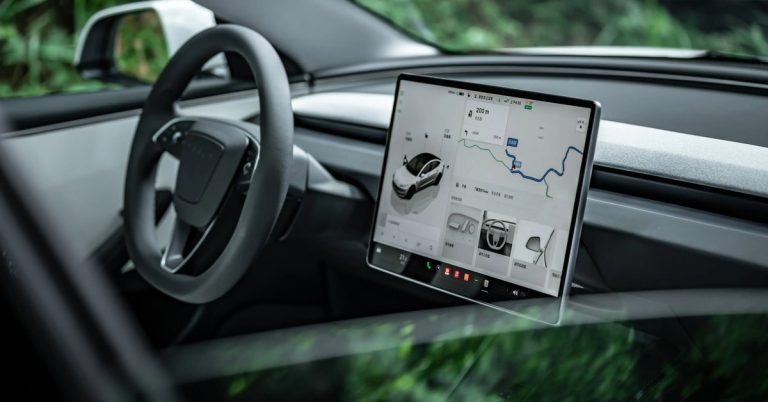
Tesla has announced it is building its own AI-powered mapping system to address long-standing navigation issues, moving away from reliance on third-party providers. The update was revealed during Tesla’s Q3 2026 earnings call, alongside news of a major solar cell factory project in Texas receiving key local approvals.
Tesla Building Its Own Maps to Improve Navigation
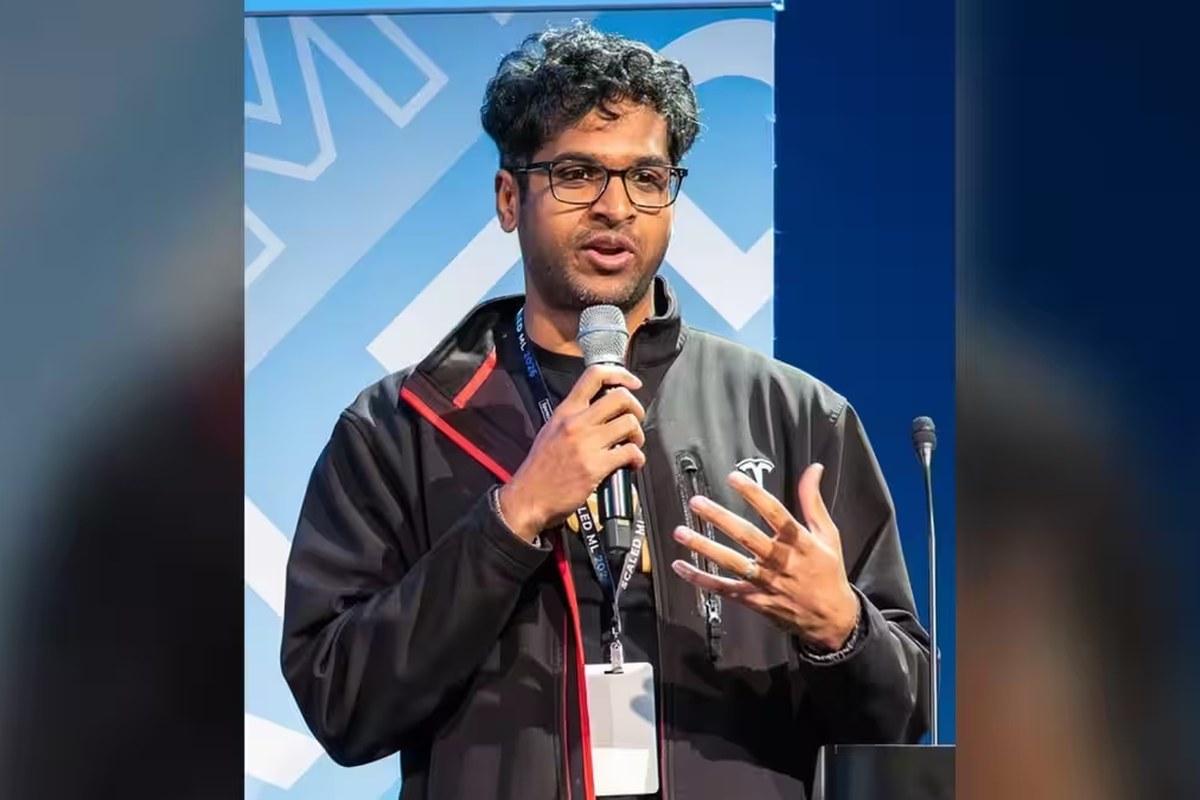
During Tesla’s Q3 2026 earnings call, the company addressed persistent complaints about Full Self-Driving (FSD) navigation, including speed limit recognition, parking, and routing. Tesla’s Head of AI, Ashok Elluswamy, confirmed that the company is developing a new, AI-based mapping and navigation system.
Elluswamy stated, “You’re totally right that we shouldn’t be depending on external people’s maps. So we are building our own maps, but not like the same way as OneMoreMap. We are building an entirely new architecture with essentially AI-based mapping and navigation.”
He added, “It’s going to be super awesome. It’s going to be integrated with voice. You can talk to it, ask for different routes. It’s going to learn your personalized preferences, plus the fleet preferences. The collective intelligence of all the cars is going to flow into making the maps and navigation super cool.”
Timeline and Features for Tesla’s New Navigation
Elluswamy indicated that the new mapping system should be available to users with the deployment of the v15 software release. “And over the next several months,” he said, “it’s just going to take over all of the navigation functions, parking, destination handling. And it will know you better than you know yourself in some regard for the driving task, and then handle it fully.”
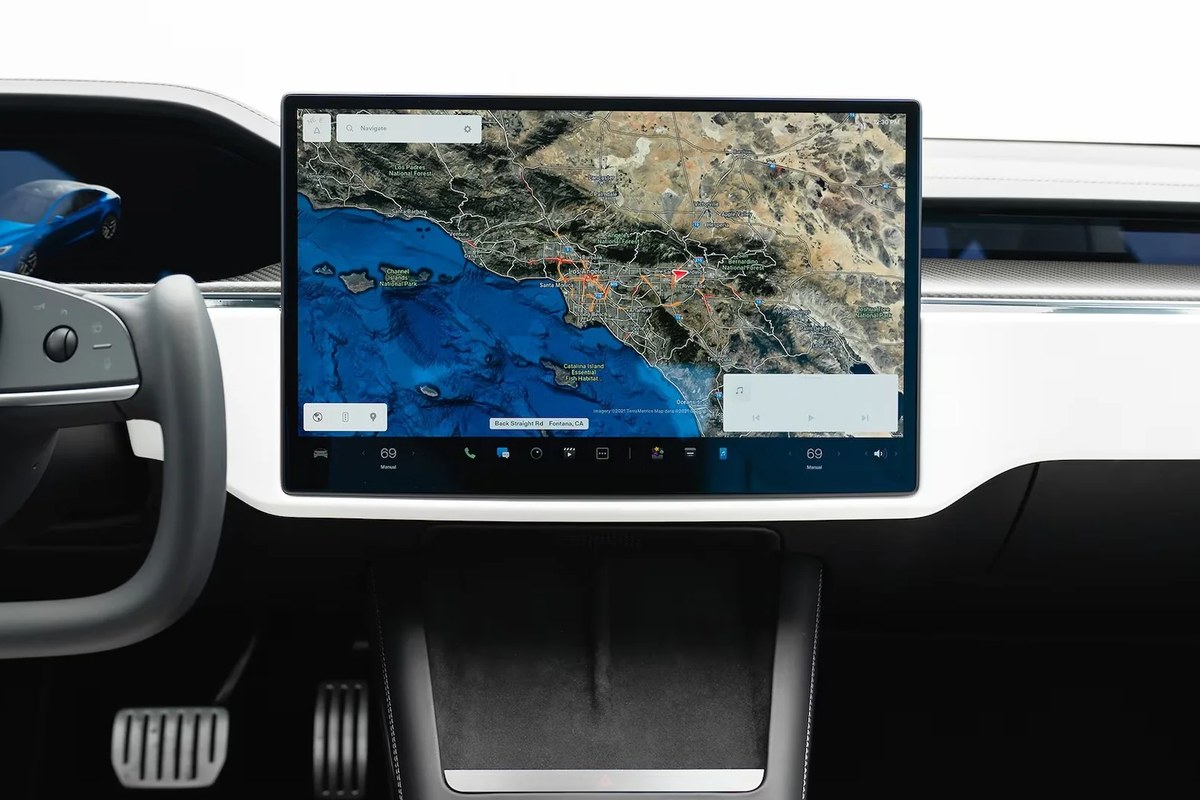
Tesla currently relies on Google for map data, but the company aims to give owners more control and improved routing through its own system. Recent updates, such as the Summer 2026 routing feature, have attempted to address navigation complaints, but the new architecture is expected to be a more comprehensive solution.
Tesla’s Project Crystal Sun Solar Factory Receives Local Approval
In addition to software updates, Tesla’s proposed $10.1 billion solar cell factory, known as Project Crystal Sun, has received four incentive agreements from Fort Bend County, Texas. The plant would manufacture solar cells and finished modules on approximately 3,000 acres, with commercial operations targeted for the first quarter of 2029.
The project is expected to create 9,712 permanent jobs by 2033 and would handle the full production chain from raw materials to finished solar panels. The investment is split between $1.5 billion in real property and $8.6 billion in equipment. The incentives include property tax abatements and economic development agreements, though final approval from the Texas Comptroller and Governor’s office is still pending.
Full Self-Driving Attach Rate Hits Record High
Tesla reported that 75 percent of new vehicle deliveries in North America during Q3 2026 included a subscription to FSD software, up from 55 percent in the previous quarter. Active FSD subscriptions reached 1.75 million, a 67 percent year-over-year increase.
More than half of paid FSD customers now use the monthly subscription, priced at $99 per month in the U.S. Tesla discontinued the one-time purchase option for FSD in most markets earlier in 2026.
Why this matters
Tesla’s move to develop its own mapping and navigation system addresses a major pain point for owners and could significantly improve the Full Self-Driving experience. By integrating AI and personalized routing, Tesla aims to offer a more seamless and intuitive navigation solution.
The approval of Project Crystal Sun marks a major step in Tesla’s expansion into solar manufacturing, supporting the company’s goal of producing 100 GW of solar cells annually and strengthening its position in renewable energy.
What this means for buyers
Tesla owners can expect improved navigation and routing features as the new AI-based mapping system rolls out with future software updates. Those considering FSD may find the upcoming enhancements to navigation and parking particularly relevant.
For buyers interested in Tesla’s energy products, the progress on Project Crystal Sun signals increased future availability of solar technology and potential cost efficiencies as production scales.
Key Specs
- FSD Attach Rate (Q3 2026, North America): 75%
- Active FSD Subscriptions: 1.75 million
- FSD Monthly Subscription Price (U.S.): $99 (~AUD 141)
- Project Crystal Sun Investment: $10.1B (~AUD 14.4B)
- Projected Permanent Jobs (by 2033): 9,712
- Targeted Commercial Operations: Q1 2029
- Solar Cell Production Target: 100 GW per year
Images sourced from: teslarati.com, tesery.com, indiatimes.com

