
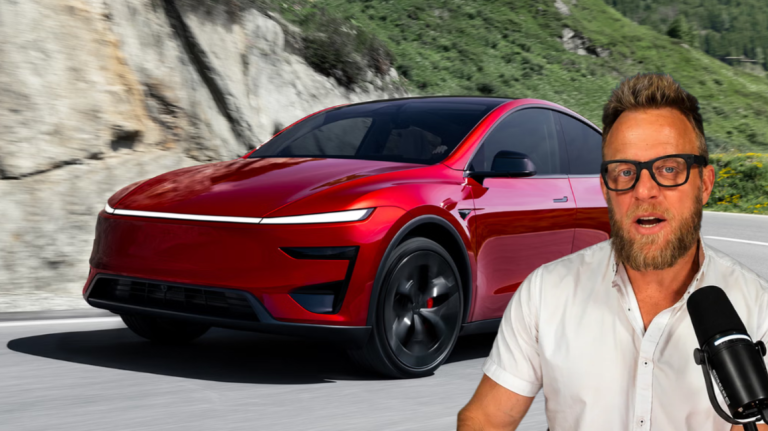
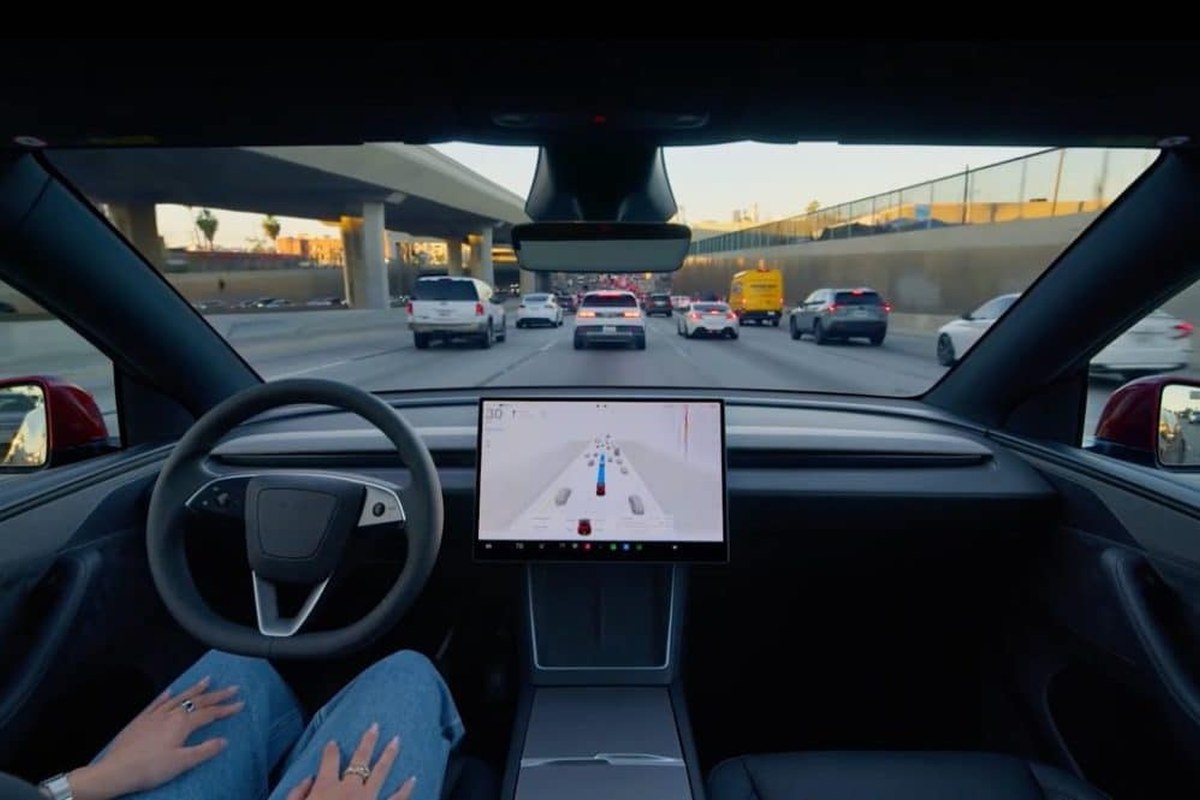
Tesla’s driver-assistance system in Europe, now officially renamed ‘Tesla Assisted Driving,’ can no longer be set to exceed the speed limit by 50%. The Dutch regulator RDW has approved an update that caps the speed margin at 10%, aligning with recent German requirements and addressing concerns from several EU countries.
New Speed Cap and Name Change
The Netherlands’ RDW, which first approved Tesla’s driver-assistance system in April 2026, has now signed off on an update that limits the system’s speed margin to 10% above the posted limit. Previously, the system allowed drivers to set speeds up to 50% over the detected limit—for example, up to 150 km/h (~93 miles per hour) on a 100 km/h (~62 mph) highway, or 45 km/h (~28 mph) in a 30 km/h (~19 mph) city zone.
With the new update, the speed margin tops out at 10%. The setting also resets to 0% each time the car starts, and other speed-related functions are now disabled by default, though RDW did not specify which ones. The system has also been officially renamed from ‘FSD Supervised’ to ‘Tesla Assisted Driving,’ with the new name appearing on in-car displays and in the owner’s manual for HW4 vehicles. Tesla is delivering these changes via over-the-air updates.
Regulatory Process and Regional Availability
RDW describes the update as ‘several minor changes’ requested by Tesla. After reviewing the implementation, the regulator found no adverse or unintended effects and included the changes in the existing type approval, without requiring amendments or extensions. RDW emphasized that the rename does not alter the system’s function—it remains a driver assistance feature, and the driver is still responsible for vehicle operation.
The RDW has notified nine other EU member states that recognize its approval: Belgium, Croatia, Czechia, Denmark, Estonia, Latvia, Lithuania, Slovakia, and Slovenia. Including the Netherlands, ten countries now recognize the system, up from eight at the start of October 2026. The broader EU-wide decision is still pending with the Technical Committee on Motor Vehicles (TCMV), with a vote expected no earlier than December 2026. Approval requires support from at least 15 of 27 member states, representing 65% of the EU population.
Regulatory Pushback and Safety Concerns
Speeding has been a central issue in the EU approval process. In June 2026, Sweden requested that the EU reject Tesla’s system unless the ability to exceed posted speed limits was removed entirely. In September, a Brussels pedestrian safety group reported that the system exceeded speed limits in 55% of tested 30 km/h (~19 mph) zones. France has also cited urban speeding as a reason for not recognizing the Dutch approval.
On October 6, 2026, Germany’s Transport Ministry agreed to support EU approval after Tesla committed to dropping the ‘Full Self-Driving’ name and capping the speed margin at 10%. The latest RDW update meets both of these requirements.
Competitor Comparison
Tesla faces increasing regulatory scrutiny in Europe, while other automakers such as Mercedes-Benz and BMW have also introduced advanced driver-assistance systems. However, these competitors typically enforce strict adherence to posted speed limits and have not faced the same level of controversy over speed margin settings. Tesla’s previous 50% margin was notably higher than industry norms, prompting more intense debate among regulators.
Historical Context
Tesla’s position in the European market has weakened over the past year. In 2025, the company sold just over 235,000 vehicles in the region, representing a 27.8% year-over-year decline. This drop in sales has also led to a significant reduction in Tesla’s European market share, highlighting the importance of regulatory approval for its advanced driver-assistance features.
Why this matters
The new 10% speed margin brings Tesla’s driver-assistance system in line with stricter European safety standards and addresses key objections from regulators in Germany, France, and Sweden. The update could help Tesla secure broader EU approval, which is critical as the company seeks to stabilize its market share amid declining sales.
By capping the speed margin and renaming the system, Tesla is responding to concerns about misleading terminology and excessive speeding, both of which have been major hurdles in the EU approval process.
What this means for buyers
Buyers in Europe should be aware that Tesla Assisted Driving now enforces a much stricter speed limit margin than before, and the system’s name has changed to better reflect its capabilities. Prospective owners should monitor the outcome of the upcoming EU vote, as approval could expand availability to more countries. Those considering a Tesla should also compare its driver-assistance features with offerings from other brands, especially if strict speed compliance is a priority.
Key Specs
- Previous Speed Margin: Up to 50% over posted limit
- New Speed Margin: Up to 10% over posted limit
- Speed Margin Reset: Resets to 0% at each vehicle start
- System Name: Renamed from ‘FSD Supervised’ to ‘Tesla Assisted Driving’
- Countries Recognizing Approval: 10 (including Netherlands, Belgium, Croatia, Czechia, Denmark, Estonia, Latvia, Lithuania, Slovakia, Slovenia)
- EU Approval Vote: Expected December 2026 or later
- 2025 European Sales: Just over 235,000 vehicles
- Year-over-Year Sales Change: -27.8%
Images sourced from: arenaev.com, teslanorth.com, driveteslacanada.ca

