

Tesla has updated the name of its advanced driver assistance system in China, moving away from the controversial ‘Full Self-Driving’ (FSD) label. The new name, ‘Tesla Assisted Driving,’ more accurately reflects the system’s actual capabilities and comes as Chinese regulators tighten oversight of automotive technology.

Tesla Updates Naming for Driver Assistance System in China
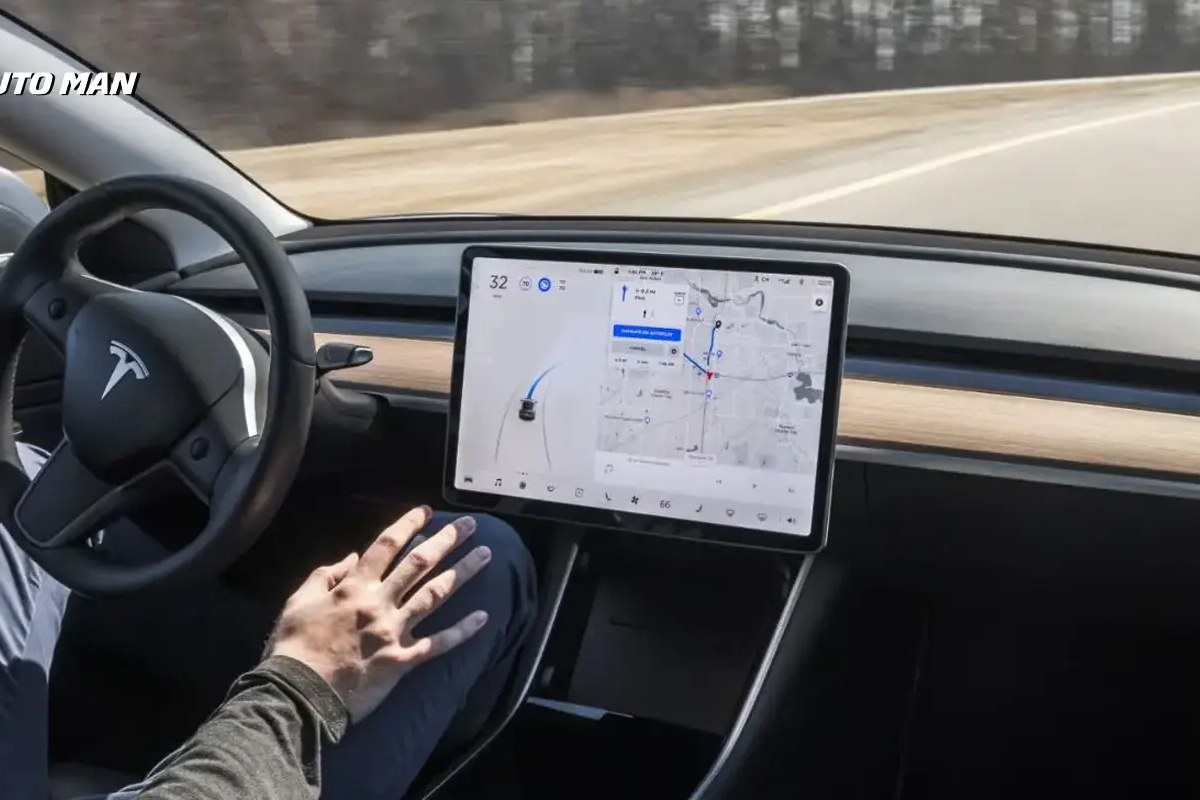
This week, Tesla began referring to its advanced driver assistance system as ‘Tesla Assisted Driving‘ (特斯拉辅助驾驶) on its Chinese website. The move follows previous iterations, including ‘FSD Intelligent Assisted Driving,’ before dropping the FSD reference entirely. The change is seen as a response to ongoing criticism and regulatory scrutiny over the system’s branding.
Tesla’s system, despite its former ‘Full Self-Driving’ name, is classified as ‘level 2’ under standardized self-driving system classifications. This means that while the system can assist with driving tasks, the human driver remains fully responsible for vehicle operation.
Regulatory and Market Context
Chinese regulators have recently introduced new rules affecting automotive technology, such as reversing the trend of flush or hidden door handles—a design popularized by Tesla. These actions demonstrate a proactive approach to vehicle safety and consumer protection in China.
Tesla has faced similar regulatory challenges elsewhere, including California, where it was required to add ‘(Supervised)’ to the FSD name and shift to a subscription-only sales model. In China, however, Tesla continues to offer the system for upfront purchase.
Competitor Comparison
China’s self-driving market is highly competitive, with local brands like XPeng, Huawei, and Momenta offering advanced driver assistance systems. XPeng’s ADAS/NOA and Huawei’s ADS have both undergone extensive real-world testing on Chinese roads, while Momenta’s autonomous system is widely integrated with domestic automakers.
Chinese automakers are deploying ADAS capabilities at a rapid pace, often providing these features at no extra cost. In recent real-world tests conducted by Chinese media, Tesla’s system performed best on both highways and city streets, but competitors were close behind.
Historical Performance and Regional Availability
Tesla delivered 657,102 vehicles in China in 2024, marking an 8.85% increase from the previous year. The Chinese market accounted for 36.7% of Tesla’s global deliveries in 2024, highlighting the region’s importance to the company’s overall strategy.
Despite the name change in mainland China, Tesla continues to use the ‘Full Self-Driving’ label on its Hong Kong website, reflecting the region’s separate regulatory environment.
Why this matters
The renaming of Tesla’s FSD system to ‘Tesla Assisted Driving’ in China signals a shift toward greater transparency in how advanced driver assistance features are marketed. With regulators in China taking a firm stance on automotive safety and technology claims, automakers are under increasing pressure to align product names with actual capabilities.
As competition intensifies and regulatory oversight grows, accurate representation of driver assistance systems will be crucial for consumer trust and industry credibility.
Related coverage from The Electric Viking
For more on this topic, see Tesla Renames FSD to ‘Tesla Assisted Driving’ in China Ahead of Software Launch.
What this means for buyers
Buyers in China should be aware that Tesla’s ‘Assisted Driving’ system remains a level 2 ADAS, requiring full driver attention at all times. When comparing options, consider that several local competitors offer similar or more advanced features, sometimes at no additional cost.
As regulations and product names continue to evolve, prospective buyers are encouraged to review the latest system capabilities and regulatory updates before making a purchase decision.
Key Specs
- New System Name: Tesla Assisted Driving (特斯拉辅助驾驶)
- Previous Name: FSD Intelligent Assisted Driving
- System Classification: Level 2 (human driver responsible)
- Maximum Price (historical): $15K
- China Vehicle Deliveries (2024): 657,102
- China Market Share (2024): 36.7% of global Tesla deliveries
Source
Images sourced from: reuters.com, indyautoman.com, pbs.org

