
BYD’s electric bus division posted a significant year-on-year sales increase in August 2026, even as month-over-month figures dipped. The company’s commercial vehicle segment, which is fully electric, continues to show strong growth over the first eight months of the year despite recent volatility.
Electric Bus Sales See Major Year-on-Year Growth
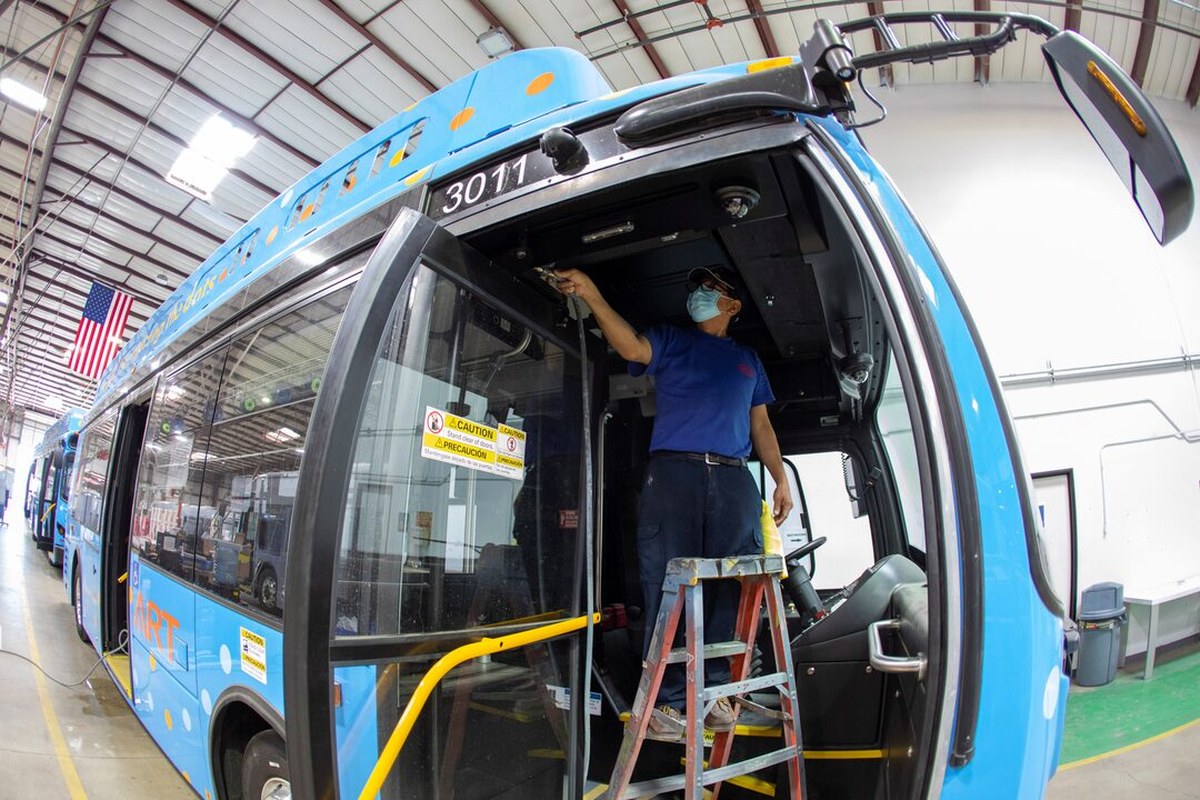
BYD sold 580 electric buses in August 2026, up 51.8% from 382 units in August 2025. However, this represented a 6.5% decrease compared to July 2026, when 620 units were delivered. Over the first eight months of 2026, BYD recorded 3,749 electric bus sales, marking a 12.55% increase from the 3,331 units sold during the same period in 2025.
Non-Bus Commercial Vehicle Sales Experience Sharp Decline
Sales of BYD’s non-bus commercial vehicles dropped sharply in August 2026, falling 76.8% month over month from 7,519 units in July to 1,743 units in August. This figure was identical to August 2025, resulting in 0% year-on-year growth for the month. Despite this, cumulative sales for the first eight months of 2026 reached 42,435 units, up 22.14% from 34,743 units in the same period last year.
Total Commercial Vehicle Deliveries Remain Up Year-on-Year
BYD’s total commercial vehicle deliveries in August 2026 stood at 2,323 units, a 9.3% increase from 2,125 units in August 2025. However, this was a 71.5% decrease from July 2026, when 8,139 units were delivered. For the first eight months of 2026, total commercial vehicle deliveries reached 46,184 units, up 21.3% from 38,074 units in the same period of 2025.
Competitor Comparison
BYD’s commercial vehicle growth comes amid a broader context of global new energy vehicle (NEV) competition. In 2025, BYD surpassed Tesla in global battery electric vehicle (BEV) sales for the first time, delivering a record 2.25 million BEVs out of 4.6 million NEVs sold worldwide. This positions BYD as a leading player in both passenger and commercial electric vehicle markets.
Regional Availability
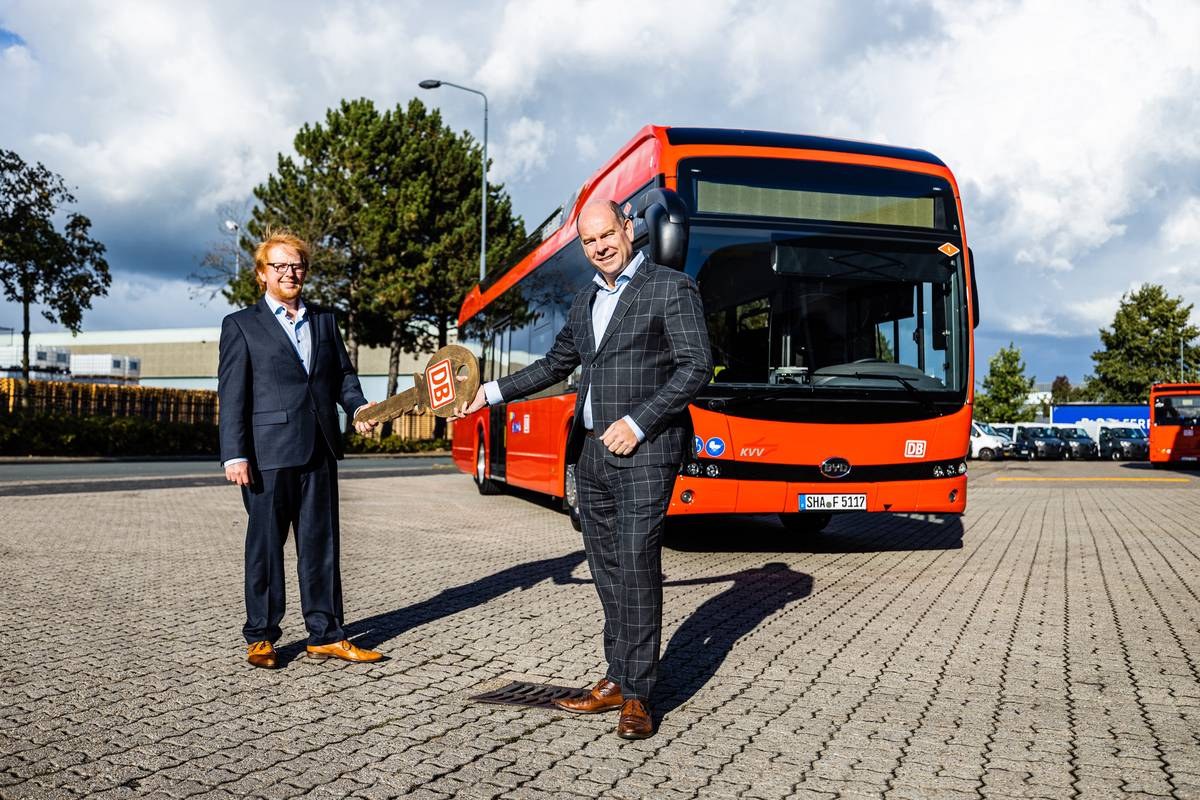
BYD’s electric commercial vehicles are available in multiple global markets, with a strong presence in China and expanding reach in Europe, South America, and other regions. The company’s focus on full electrification across its commercial lineup supports its international growth strategy.
Why this matters
The strong year-on-year growth in BYD’s electric bus and overall commercial vehicle sales highlights the accelerating shift toward electrification in the commercial transport sector. Despite short-term fluctuations, BYD’s cumulative sales gains reinforce its leadership in the global electric vehicle market.
These results also reflect broader industry trends, with BYD’s performance contributing to the ongoing transition away from internal combustion vehicles in both public and private fleets.
What this means for buyers
Fleet operators and municipalities considering electric commercial vehicles can look to BYD’s consistent year-on-year growth as evidence of the company’s stability and market presence. Buyers should monitor monthly sales trends for potential supply fluctuations, but BYD’s expanding global footprint and full-electric lineup make it a key contender for future procurement.
Related coverage from The Electric Viking
For more on BYD’s global strategy and electric vehicle offerings, see BYD Surpasses Tesla in Global BEV Sales for 2025 and How China’s NEV Market Is Shaping Global Trends.
Key Specs
- Electric Bus Sales (August 2026): 580 units
- Electric Bus Sales (August 2025): 382 units
- Electric Bus Sales (July 2026): 620 units
- Electric Bus Sales, Jan–Aug 2026: 3,749 units
- Electric Bus Sales, Jan–Aug 2025: 3,331 units
- Non-Bus Commercial Vehicle Sales (August 2026): 1,743 units
- Non-Bus Commercial Vehicle Sales, Jan–Aug 2026: 42,435 units
- Total Commercial Vehicle Deliveries, Jan–Aug 2026: 46,184 units
Source
Images sourced from: reuters.com, sustainable-bus.com