
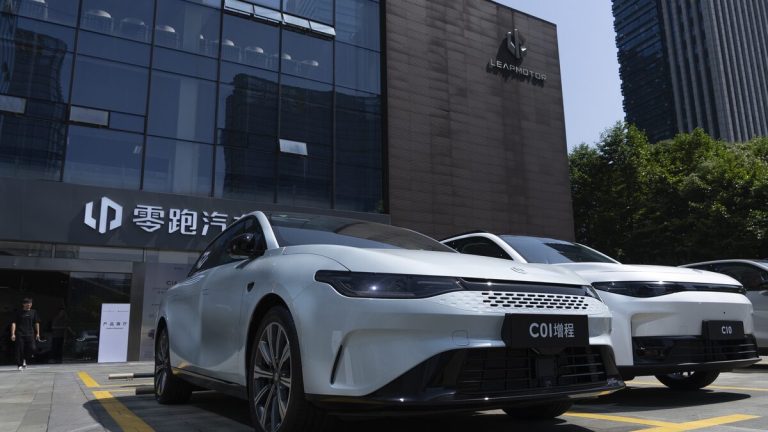
China’s BYD, Chery and Geely are ramping up their Canadian expansion efforts after Canada reduced tariffs on Chinese-built EVs from 100% to 6.1%. The companies are hiring, looking at dealership sites and filing trademarks, but none has started retail sales yet. Early gains from the new quota system appear to be going to Tesla and Polestar, which already have Canadian brand recognition and sales networks.

Major Chinese electric vehicle manufacturers are beginning to position themselves for a Canadian entry after Ottawa’s decision to cut tariffs on Chinese-built EVs from 100% to 6.1%. BYD, Chery, and Geely are reportedly moving ahead with early market preparation, including recruiting staff, examining possible dealership sites, and registering trademarks.
Despite that activity, none of the three companies has begun selling vehicles in Canada. The shift appears to be creating momentum, but the commercial rollout is still in its earliest phase.
What the tariff change means
Canada’s steep tariff reduction marks a major policy change for imported Chinese EVs. A move from 100% to 6.1% dramatically improves the economics of bringing these vehicles into the market, especially for manufacturers that have previously faced a heavy price penalty.
That kind of change does not automatically translate into immediate sales. Automakers still need to build distribution plans, secure retail presence, and create consumer awareness in a market where they are not yet established.
Who is benefiting first
So far, the biggest winners appear to be Tesla and, to a lesser extent, Polestar. Unlike the Chinese brands now preparing to enter, both companies already have recognizable names and existing sales infrastructure in Canada.
That advantage matters under a quota system, where access alone is not enough. Companies with established operations are better positioned to take advantage of the new rules quickly, while newcomers must still build the basics of a sales network.
Why the Chinese brands are moving now
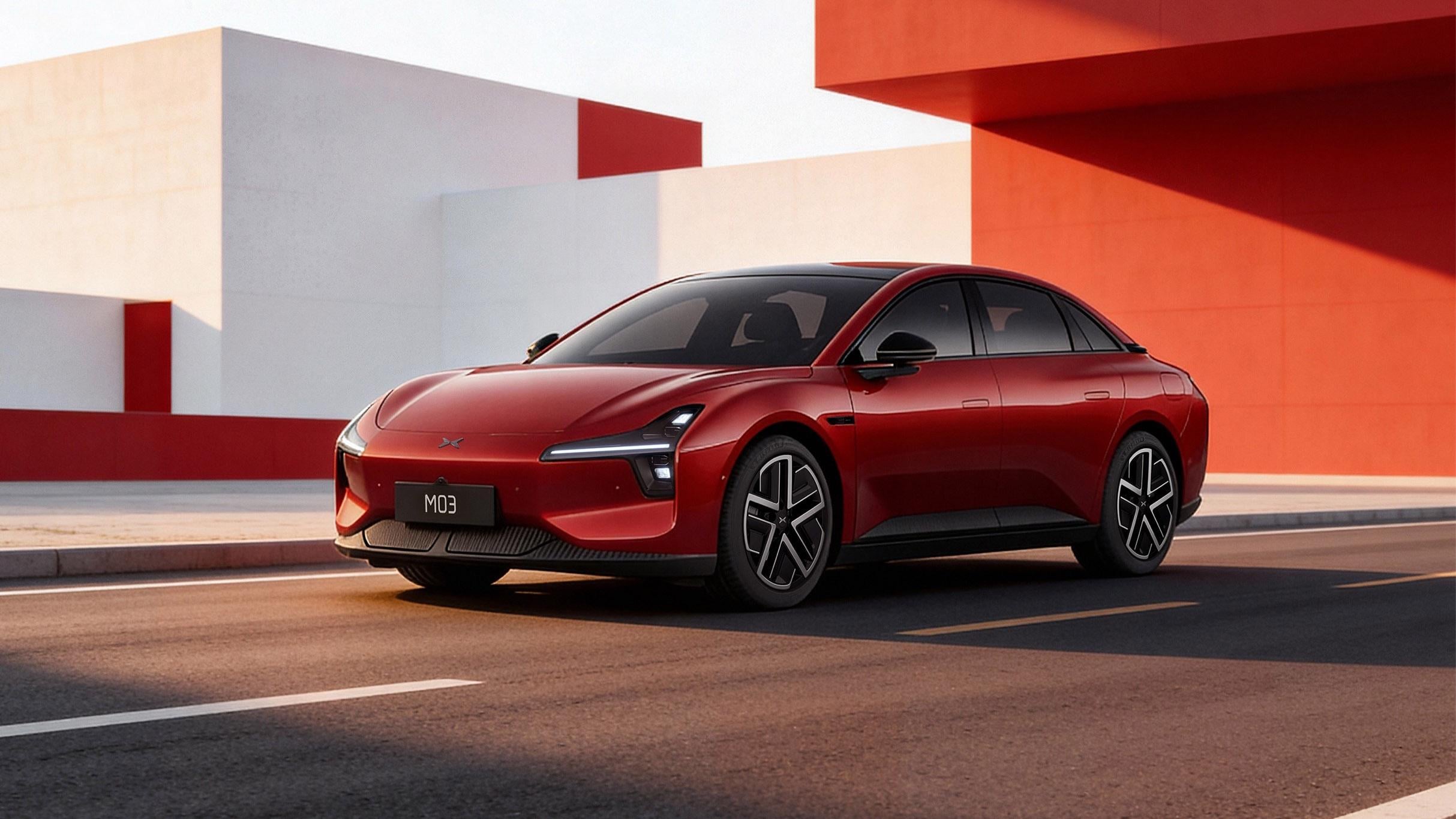
Hiring, trademark filings, and site scouting suggest the three automakers see Canada as a market worth preparing for before a formal launch. Those steps are typical early indicators of a market-entry strategy and usually come before dealer appointments, homologation, and customer deliveries.
The activity also hints that these companies are not treating Canada as a short-term experiment. Instead, they appear to be laying groundwork for a broader North American presence, even if the timeline remains uncertain.
What happens next
For now, the key question is whether these manufacturers can turn preliminary planning into actual showroom sales. That will depend on how quickly they can build distribution, meet regulatory requirements, and convince Canadian buyers to consider unfamiliar brands.
If the new tariff structure holds, Canada could become a more important destination for Chinese EV makers looking for growth outside their home market. But the early lead belongs to companies already embedded in the country’s EV retail landscape.
Why This Matters
This story matters because tariff policy can quickly reshape which automakers gain access to a market and which ones struggle to compete. Canada’s cut in duties on Chinese-built EVs could lower prices, broaden consumer choice, and intensify competition in a market that is still developing.
It also shows how much advantage established brands have when rules change. Tesla and Polestar are already positioned to capitalize on the new system, while BYD, Chery, and Geely must first build the local infrastructure needed to turn policy access into real sales.
Key Specs
- Policy change: Canada reduced tariffs on Chinese-built EVs from 100% to 6.1%
- Companies preparing entry: BYD, Chery, Geely
- Early market activity: Hiring staff, scouting dealership locations, registering trademarks
- Current sales status: None of the three Chinese automakers has started selling cars in Canada
- Early beneficiaries: Tesla and, to a lesser extent, Polestar
Source: Electrek

