
A new study reveals a stark divide in fuel cost increases between electric vehicle owners and those driving traditional gas-powered vehicles in early 2026. While gasoline prices soared, EV drivers saw almost no change in their annual energy expenses. The findings highlight how recent price spikes have hit large SUVs, trucks, and minivans especially hard.

Gasoline Prices Surge in Early 2026
According to a study by iSeeCars, gasoline prices jumped nearly 46 percent between January and April 2026, rising from $2.81 to $4.10 per gallon. By May 24, the national average had climbed even higher, reaching $4.52 for regular, $5.01 for mid-grade, $5.39 for premium, and $5.62 for diesel.
This rapid increase has made fuel costs a significant concern for many drivers, especially those with less efficient vehicles.
Study Details: How Costs Were Calculated
The iSeeCars study analyzed data from over 2.1 million three-year-old used vehicles sold in 2025. Researchers combined average annual mileage with fuel prices from January and April 2026 to estimate how much ownership costs changed in just four months.
The results show that the impact of rising fuel prices was not felt equally across all vehicle types.
Fuel Cost Increases by Vehicle Type
Traditional gas-powered vehicles saw an average annual fuel-cost increase of $706, with costs rising from $1,533 to $2,240. Hybrids experienced a smaller increase of $486, while plug-in hybrids saw a $291 jump.
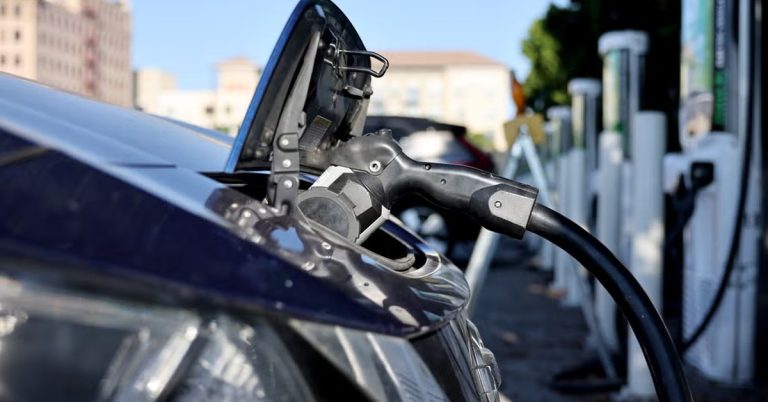
Electric vehicle owners were largely insulated from the surge, with annual charging costs increasing by just $11—from $714 to $725.
Large Vehicles Hit Hardest
The study found that minivans faced the largest increase among major segments, with annual fuel costs rising by $1,139 to $3,610. Trucks were close behind, with a $992 increase.
SUV owners were also heavily affected. The Toyota Sequoia led with an average $1,623 increase in annual fuel costs, followed by the Chevrolet Suburban at $1,542 and the Nissan Armada at $1,513.

Why this matters
The sharp rise in gasoline prices has made the cost of operating large, less efficient vehicles significantly higher in a short period. In contrast, EV owners have been largely shielded from these increases, with only a minimal change in annual charging expenses.
These findings underscore the potential financial benefits of electric vehicles, especially during periods of volatile fuel prices.
What this means for buyers
Buyers considering a new vehicle may want to factor in the potential for future fuel price spikes, especially if they are looking at large SUVs, trucks, or minivans. Electric vehicles and hybrids offer more predictable energy costs and may provide significant savings if gasoline prices remain high.
Those already driving EVs can expect continued insulation from fuel price volatility, while owners of traditional vehicles may need to budget for higher operating costs.

Key Specs
- Gasoline price increase (Jan–Apr 2026): 46%
- Average annual fuel-cost increase (gas vehicles): $706
- Average annual charging cost increase (EVs): $11
- Annual fuel cost increase (Toyota Sequoia): $1,623
- Annual fuel cost increase (Chevrolet Suburban): $1,542
- Annual fuel cost increase (Nissan Armada): $1,513
- Annual fuel cost increase (minivans): $1,139
- Annual charging cost (EVs, Apr 2026): $725
Source
Images sourced from: caranddriver.com, getneocharge.com, capitalone.com

