
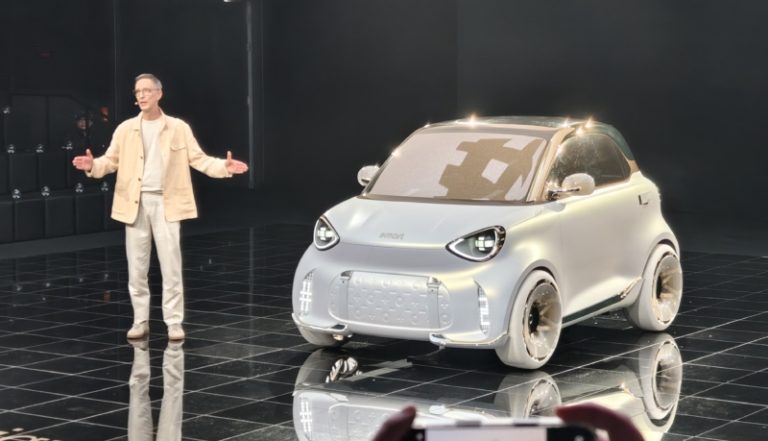
Smart has outlined its new #2 as a premium micro-EV with a claimed 400 km CLTC range, positioning the model as a direct push to regain ground in a segment where small electric cars are becoming more competitive. In a Beijing roundtable, Smart leadership framed the car as a full-fledged vehicle rather than a compromise, signaling a more ambitious product strategy.
Smart has used the debut of its new #2 to send a clear message: the brand wants back into the premium micro-EV conversation. At a roundtable in Beijing, company leaders said the car is being developed with a claimed 400 km CLTC range and is intended to help Smart reclaim space in a segment that has grown increasingly crowded.
The remarks were notable not only for the product details, but also for the positioning. Smart leadership framed the #2 as a proper car rather than a stripped-down urban runabout, suggesting the brand wants buyers to see it as a more complete ownership proposition than many rivals in the same size class.
What Smart is trying to do with the #2
The new model appears to be aimed at the premium end of the micro-EV market, where design, brand image, and usable range matter as much as compact dimensions. By targeting a 400 km CLTC figure, Smart is signaling that the #2 should be practical enough for more than short city trips, even though CLTC figures are generally more optimistic than real-world driving range.
That matters because range has become one of the main battlegrounds in small EVs. Buyers in this category often want a car that is easy to park and efficient in the city, but they also expect it to handle longer commutes without constant charging.
Why the “real car” remark matters
Smart’s leadership reportedly contrasted the #2 with rivals by calling it a “real car,” a phrase that suggests the company sees some competing micro-EVs as overly basic or too narrowly focused on price. The line is also a way to elevate the brand image, especially in a market where many small EVs compete largely on affordability.
That positioning could be important for Smart as it tries to differentiate itself from low-cost offerings. If the #2 delivers the combination of design, equipment, and range implied by the company’s comments, it could appeal to buyers looking for a more upscale city EV rather than a bargain commuter.
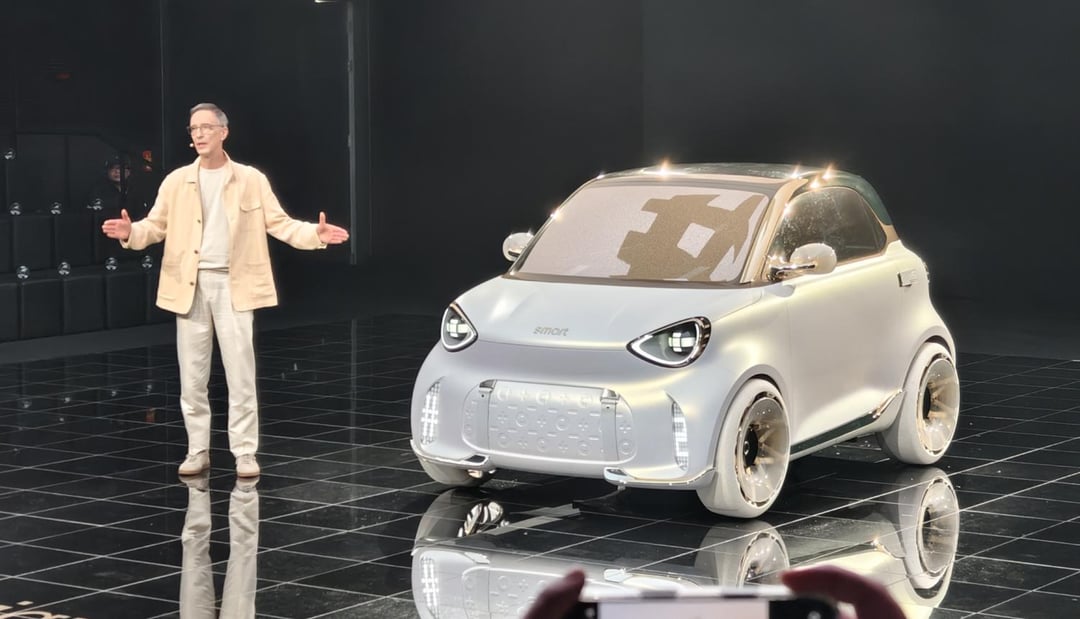
Market context: a harder micro-EV fight
The micro-EV segment in China has evolved quickly. Early demand was driven by ultra-low-priced models, but the market has since become more sophisticated, with some customers now expecting better interior quality, stronger safety credentials, and more refined driving behavior.
For Smart, that means the #2 is arriving into a market where compact EVs can no longer rely on novelty alone. To stand out, the car will need to balance city-friendly size with the kind of range and polish that support a premium price point.
What remains to be confirmed
At this stage, Smart has publicly emphasized the 400 km CLTC target and the car’s strategic role, but broader technical details have not been fully disclosed in the source material. Items such as battery capacity, power output, charging speed, dimensions, and launch timing are not provided and should be treated as.
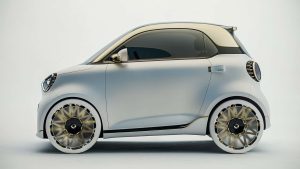
Even so, the direction is clear: Smart wants the #2 to be more than just another small EV. It is being positioned as a statement product for a brand hoping to reassert itself in a market segment that is increasingly competitive and increasingly demanding.
Why This Matters
The Smart #2 matters because it shows how the micro-EV category is changing. What used to be a race to the bottom on price is now becoming a contest over range, quality, and brand positioning.
For readers, the key takeaway is that even very small electric cars are being pushed to offer more usable range and a more premium experience. That shift could influence what buyers expect from compact EVs across the market, not just from Smart.
Key Specs
- Model: Smart #2
- Segment: Premium micro-EV
- Claimed range: 400 km CLTC
- Launch context: Beijing roundtable
- Strategic goal: Reclaim the premium micro-EV segment
Source: CarNewsChina

