
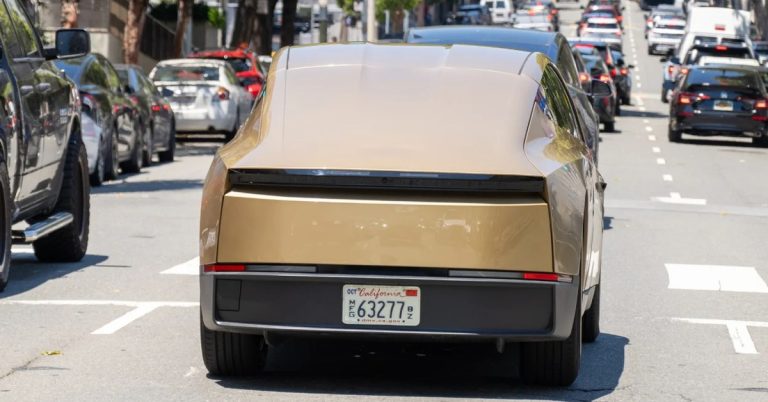
Tesla has lost a key figure in its Cybercab assembly team just weeks after launching commercial service, as Jody Kerns leaves Gigafactory Texas to join Rivian as Director of General Assembly for the R2. This marks the second major leadership departure from Tesla’s Cybercab project in 2026, raising questions about the future of both companies’ high-profile EV programs.
Leadership Moves from Tesla to Rivian
Jody Kerns, who served as Tesla’s Senior Manager of Cybercab General Assembly at Gigafactory Texas, has announced his departure to become Rivian’s Director of General Assembly for the R2 in Normal, Illinois. Kerns made the move public in a LinkedIn post this week, expressing gratitude to his Tesla team for their work on projects including the launch of the Cybercab.
Kerns joined Tesla in January 2024 as an end-of-line manager and took over Cybercab general assembly in Austin in February 2026, coinciding with the rollout of Tesla’s first steering-wheel-less Cybercab. At Rivian, he will oversee the assembly of the R2, applying his experience from previous roles at Volkswagen of America—where he managed about 1,200 people and integrated the ID.4 into production—and Toyota.
A Second Departure from Tesla’s Cybercab Team
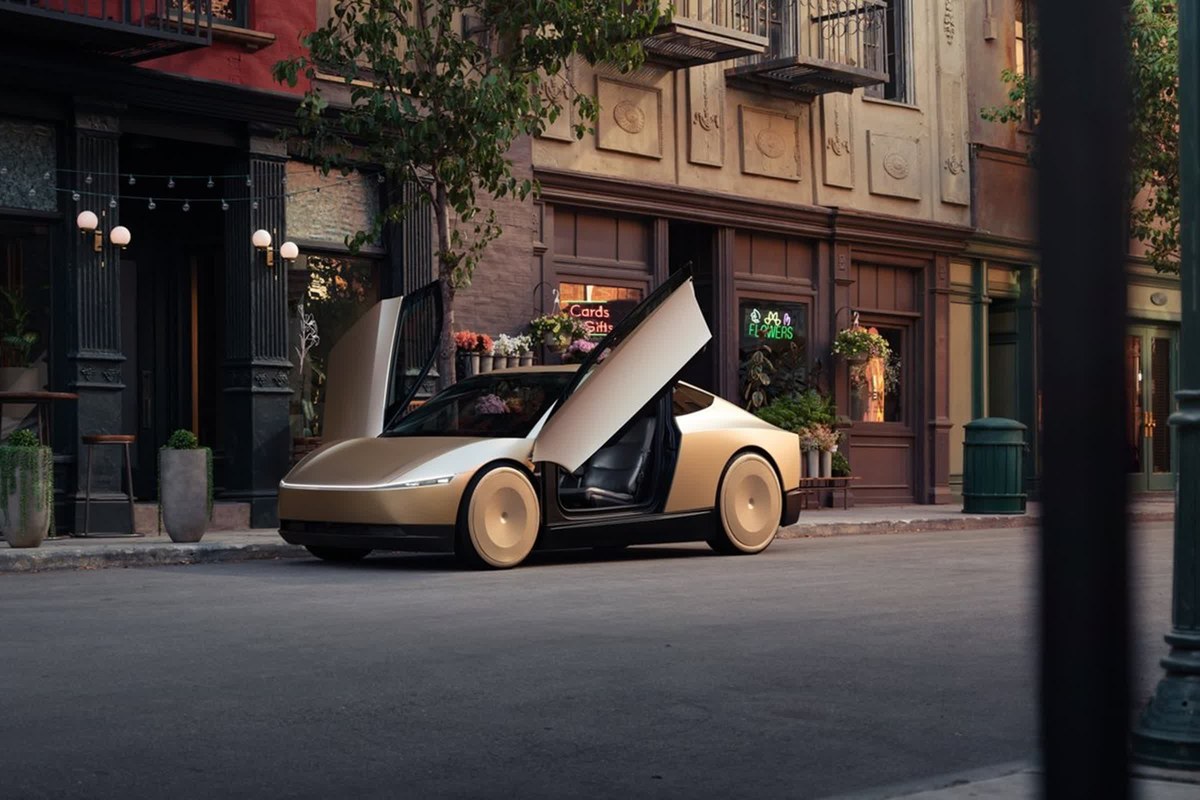
Kerns is the second Cybercab launch leader to leave Tesla this year. Michael So, who served as Tesla’s Head of Cybercab New Product Introduction from September 2024 to April 2026, also exited the company. So, Giga Texas employee #1 in 2021, played a key role in launching the Model Y and Cybertruck at the facility and was instrumental in developing the Cybercab’s ‘unboxed’ manufacturing process, brake-by-wire system, and butterfly doors.
So left Tesla in May to become VP of Product Engineering at Aalo Atomics, a nuclear reactor startup in Austin.
Current Status of Cybercab and Rivian R2 Programs
Tesla began commercial Cybercab rides in Austin on September 3, 2026. Shortly after, the NHTSA issued a Special Order requiring Tesla to provide proof under oath that the Cybercab, which lacks a steering wheel and brake pedal, complies with federal safety standards. The NHTSA currently estimates the combined 2026 Robotaxi fleet—including Model Y and Cybercab—at about 1,000 vehicles.
Meanwhile, Rivian started R2 deliveries from its Normal, Illinois plant on June 9, 2026. The company produced 19,751 vehicles in Q3 and has maintained its 2026 delivery guidance of 65,000 to 70,000 vehicles. Rivian has also raised $1.5B (~AUD 2.1B) to support its production ramp.
Competitor Comparison
The Tesla Cybercab and Rivian R2 both compete in the electric SUV and robotaxi segments. The Tesla Model Y Performance, priced at $59,130 (~AUD 84,722), remains the top-selling electric two-row SUV in this class. For buyers seeking a more affordable option, the 2027 Chevy Bolt LT is positioned below both the R2 and Model Y, with a starting price of $29,990 (~AUD 42,970).
Regional Availability
Tesla’s Cybercab service is currently operating in Austin, Texas, while Rivian’s R2 deliveries are underway from its Normal, Illinois facility. Both models are focused on the U.S. market at this stage, with no announcements regarding international expansion for either program.
Why this matters
Leadership changes at this level can have significant impacts on the rollout and scaling of new EV models. Tesla’s Cybercab project faces regulatory scrutiny and now must adapt to the loss of key assembly leaders. For Rivian, bringing in experienced talent like Kerns could help ensure a smoother production ramp for the R2, a critical model for the company’s future.
These moves come as both companies navigate a rapidly evolving EV market, with Tesla’s global sales reaching 1,654,667 vehicles in 2025 but showing an 8% year-over-year decline. The ability to execute on new product launches and maintain production quality will be crucial as competition intensifies.
What this means for buyers
Buyers considering the Tesla Cybercab or Rivian R2 should be aware of ongoing changes in leadership and regulatory oversight, which could affect production timelines and service availability. Those interested in the Cybercab may want to monitor NHTSA developments, while Rivian R2 buyers can expect continued focus on ramping up deliveries through the end of 2026.
For those comparing options, the Model Y Performance and Chevy Bolt LT remain strong alternatives in the electric SUV segment, each offering different balances of price, performance, and availability.
Key Specs
- Tesla Cybercab Commercial Launch: September 3, 2026 (Austin, TX)
- Rivian R2 Deliveries Start: June 9, 2026 (Normal, IL)
- Rivian Q3 2026 Production: 19,751 vehicles
- Rivian 2026 Delivery Guidance: 65,000 to 70,000 vehicles
- Estimated 2026 Tesla Robotaxi Fleet: 1,000 vehicles (Model Y + Cybercab)
- Rivian Capital Raised for Ramp: $1.5B (~AUD 2.1B)
- Tesla Global Sales (2025): 1,654,667 vehicles
- Electricity Rate Increase (2025): Almost 10%
Images sourced from: mashable.com, techspot.com

