
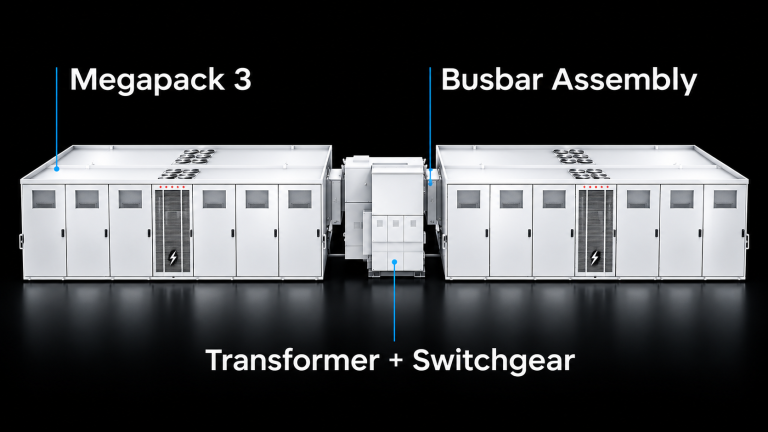
Tesla’s Brookshire, Texas Megapack factory has been granted foreign-trade zone (FTZ) status, allowing the company to defer duties on imported parts for up to 14 months. However, tariffs on Chinese lithium iron phosphate (LFP) battery cells still apply, limiting the cost-saving benefits for Tesla’s energy storage business.
What the FTZ Approval Means for Tesla
The FTZ Board’s approval for Tesla’s Brookshire Megapack factory was published in the Federal Register and is valid for 14 months. This designation allows Tesla to defer paying duties on imported components until the finished Megapacks are shipped out of the zone, improving cash flow as the factory ramps up production.
Tesla filed its FTZ request on May 20, listing about 80 imported components, including coolant pumps, transformers, wiring harnesses, circuit boards, and battery cells. Duty rates on these parts can reach up to 6.5%, while finished Megapacks and Bento inverters are subject to duties ranging from duty-free to 3.4%.
Tariff Limitations Remain in Place
Despite the FTZ status, components subject to Section 122, Section 232, or Section 301 tariffs must be admitted to the FTZ in privileged foreign status. This means that Chinese LFP battery cells used in Megapacks sold in the US still incur the Section 301 tariff, which increased from 7.5% to 25% on January 1, 2026.
While duties on these parts are deferred until the Megapack leaves the FTZ, they are not eliminated. Tesla also benefits from no US duty on Megapacks exported directly from the zone, no duty on scrap, and reduced customs paperwork.
Approval Terms and Industry Context
Tesla’s FTZ approval for Brookshire is ‘authorized on a limited basis’ and is subject to a 14-month time period, expiring around the end of 2027. Similar time-limited FTZ approvals were granted to Tesla’s Fremont, Livermore, and Lathrop facilities in California this year, as well as to other manufacturers like Eastman Chemical, Rose Batteries, and Qorvo.
The Brookshire factory began Megapack 3 production in August and is designed for a capacity of 50 GWh per year, supplementing Tesla’s 40 GWh Lathrop facility in California.
Tesla’s Battery Supply Challenge
Tesla’s reliance on Chinese LFP cells for its Megapacks has been a challenge since tariffs escalated in April 2025. CFO Vaibhav Taneja previously stated the impact on energy storage would be ‘outsized since we source lithium iron phosphate (LFP) battery cells from China.’
Tesla has started producing LFP cells at its Nevada facility, but this is expected to cover only a portion of its total capacity. Looking ahead, LG Energy Solution is set to supply LFP cells from Michigan under a $4.3B (~AUD 6.1B) contract, with mass production expected in the second half of 2027.
Competitor Comparison
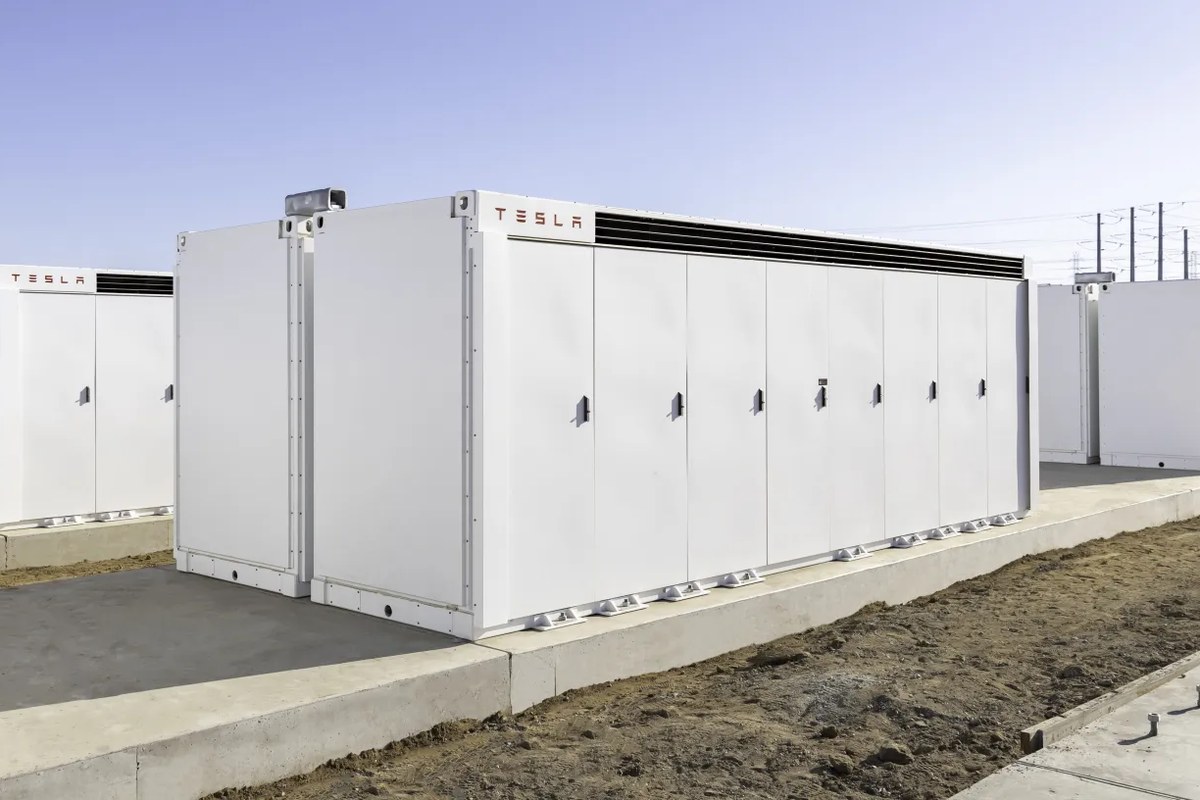
Tesla’s Megapack competes with large-scale battery storage solutions from companies such as LG Energy Solution and Eastman Chemical. These competitors are also navigating US trade policies and have received similar FTZ approvals, highlighting the broader industry impact of tariffs and trade zone regulations.
Why this matters
The FTZ status offers Tesla some operational flexibility and cash flow benefits as it scales up Megapack production in Texas. However, the continued application of Section 301 tariffs on Chinese LFP cells means that significant cost pressures remain for Tesla’s energy storage business.
With the FTZ approval set to expire at the end of 2027 and new domestic battery supply from LG Energy Solution on the horizon, Tesla’s ability to manage supply chain costs will be critical for its competitiveness in the grid-scale storage market.
What this means for buyers
For buyers considering large-scale energy storage, Tesla’s Megapack remains a leading option, but ongoing tariffs could influence pricing until domestic battery supply ramps up in late 2027. Buyers should monitor developments in Tesla’s supply chain and US trade policy, as these factors may affect future costs and availability.
Key Specs
- FTZ Approval Duration: 14 months (expires end of 2027)
- Brookshire Factory Capacity: 50 GWh per year
- Duty Rates on Imported Parts: Up to 6.5%
- Duty Rates on Finished Megapacks: 0% to 3.4%
- Section 301 Tariff on Chinese LFP Cells: 25% (from January 1, 2026)
- Number of Imported Components Listed: Approximately 80
- LG Energy Solution Contract Value: $4.3B (~AUD 6.1B)
- Lathrop Factory Capacity: 40 GWh per year
Images sourced from: electrek.co, teslarati.com

