
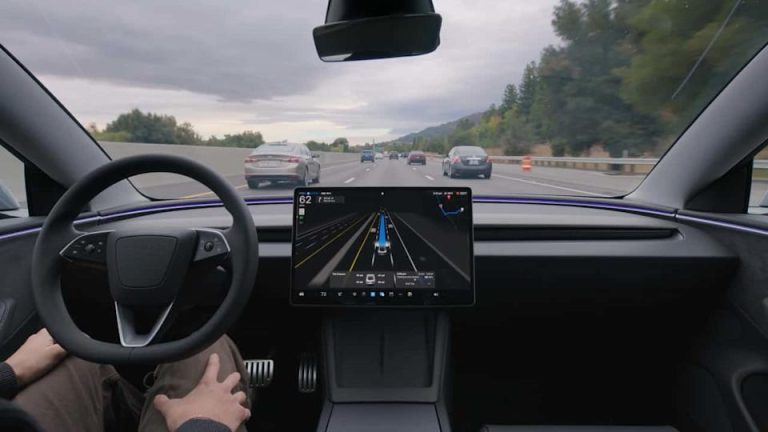
Tesla says older Hardware 3-equipped vehicles will need major hardware retrofits, including new computers and cameras, if they are to reach unsupervised Full Self-Driving. Elon Musk says Tesla will need “micro factories” in major metro areas to handle the work efficiently, but the plan appears limited to customers who already bought FSD outright.
Tesla’s long-running Full Self-Driving pitch has run into a hardware wall. On the company’s Q1 earnings call, Elon Musk said vehicles built on the older Hardware 3 platform do not have enough capability for unsupervised FSD and will need hardware upgrades to get there.
The fix is not a simple software download. Musk said Tesla would need to replace the car’s Autopilot computer and cameras, and that the scale of the job could require “micro factories” in major cities rather than relying only on service centers.
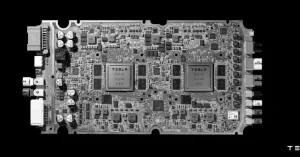
Why Hardware 3 is now the bottleneck
Hardware 3 underpins Tesla’s autonomy system in millions of vehicles sold between 2019 and 2023. For years, Tesla suggested those cars had the necessary hardware for future self-driving capability, but the company now says that claim does not hold for unsupervised operation.
Musk said bluntly that HW3 “simply does not have the capability to achieve unsupervised FSD.” He added that Tesla had once believed it would be enough, but that view has changed as the system’s requirements became clearer.
What Tesla says it will upgrade
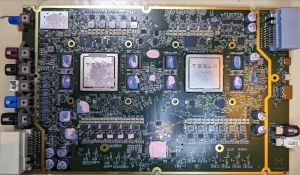
According to Musk, the retrofit would involve replacing the car’s computer and cameras to move from Hardware 3 to Hardware 4. He said customers who bought FSD would be offered what amounts to a discounted trade-in toward a car with AI4 hardware, along with the option to upgrade the vehicle itself.
The challenge is scale. Tesla says doing this only at service centers would be too slow and inefficient, so it is considering small production lines in large metro areas to speed up the conversions.
Who qualifies for the retrofit
The clearest promise appears to apply only to customers who purchased Tesla’s full FSD package, which was once priced at $8,000. That leaves out many owners who bought HW3-equipped cars and later planned to subscribe to FSD once the feature became available.
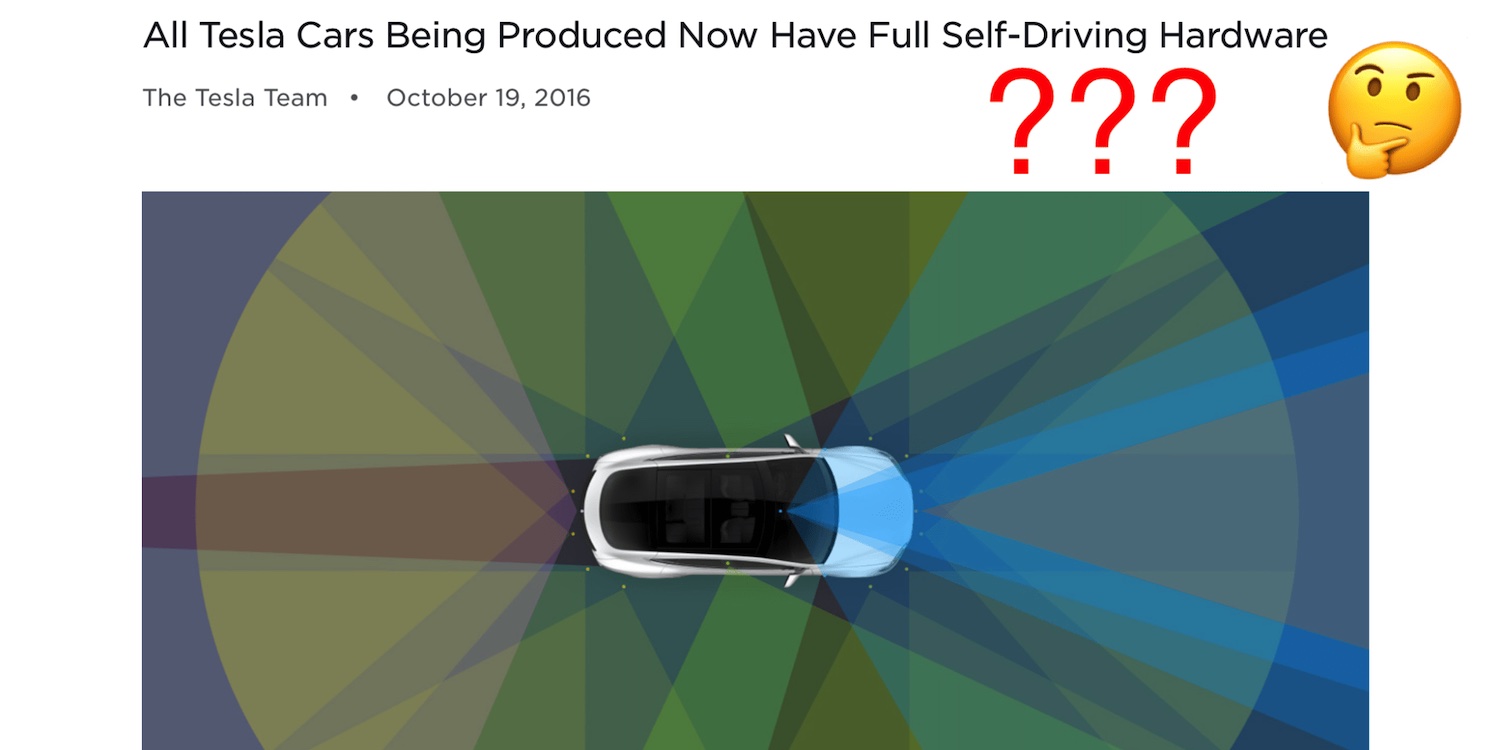
That distinction matters because Tesla’s older messaging was broader. In a now-deleted 2016 blog post, the company said all of its vehicles were being shipped with “the hardware needed for full self-driving capability.” The wording left room for interpretation, but it is part of the reason the current retrofit plan is drawing scrutiny.
Timeline remains uncertain
Tesla has not given a firm schedule for the retrofit rollout. Musk said the company expects to begin production of an upgraded AI4 or “AI4-plus” hardware package next year, after Samsung completes changes to the relevant hardware components.
He also said Tesla believes unsupervised self-driving may be achievable with HW4. Still, owners of HW3 cars are left waiting for a concrete plan, while the first of those vehicles approach seven years on the road.
The bigger strategic issue
This is more than a retrofit story. It highlights the gap between Tesla’s software-first self-driving narrative and the reality that older cars may need entirely new hardware to keep up.
It also raises questions about Tesla’s Robotaxi ambitions. Musk suggested it may make sense to convert all HW3 cars so they can join the Robotaxi fleet, but that would require Tesla to execute a massive and complicated hardware campaign first.
For owners, the practical takeaway is simple: Tesla’s promise of future autonomy is no longer just about software updates. For a large set of older cars, it now depends on a physical rebuild that may take years to deliver.
Why This Matters
This story matters because it shows how Tesla’s self-driving strategy is shifting from a software upgrade story to a costly hardware retrofit problem. If older cars need new computers and cameras to reach the capability Tesla advertised, that affects millions of owners and could reshape expectations around vehicle longevity.
It also has broader implications for the EV and autonomy market. Tesla’s plan, or lack of a clear timeline, may influence how consumers judge promises about future features, how automakers market driver-assistance systems, and how regulators evaluate claims tied to autonomy.
Key Specs
- Affected vehicles: Tesla models built on Hardware 3, sold mainly between 2019 and 2023
- Upgrade required: Autopilot computer and cameras
- Target hardware: Hardware 4 / AI4, with a possible AI4-plus version
- Memory increase mentioned: 32 GB of RAM to 64 GB
- Retrofit method: Micro factories or mini production lines in major metropolitan areas
- Eligible owners for Tesla’s stated offer: Customers who purchased FSD outright
- Original FSD price referenced: $8,000
- Potential timeline: Next year for AI4 production after Samsung hardware changes
Source: InsideEVs

