
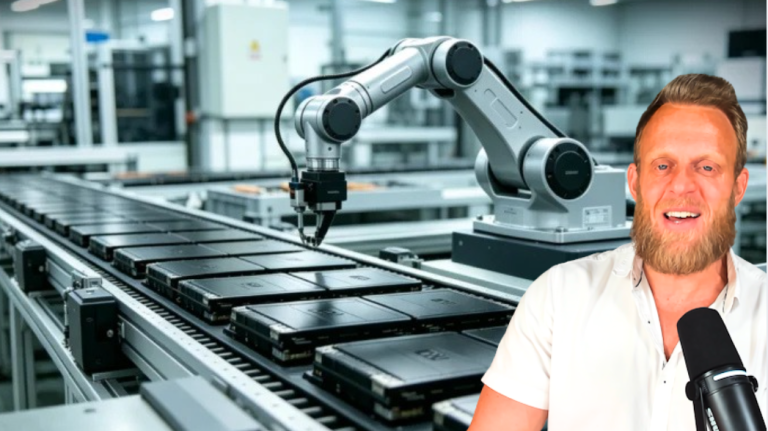
Li Auto has announced that it will integrate its proprietary battery technology across its entire vehicle lineup starting from September 7, 2026. This move marks a significant shift away from CATL, echoing similar strategies by other Chinese automakers. The transition is set to impact several key models and reshape Li Auto’s supply chain approach.
Li Auto’s In-House Battery Rollout
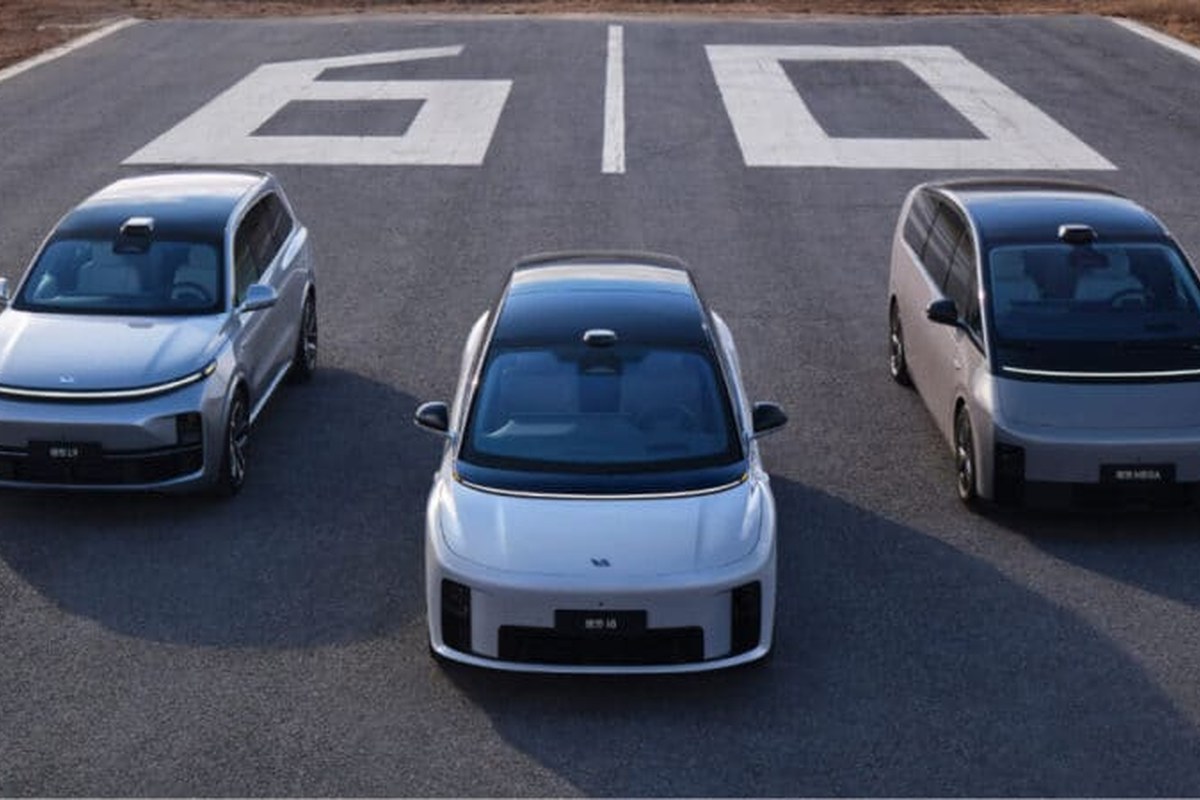
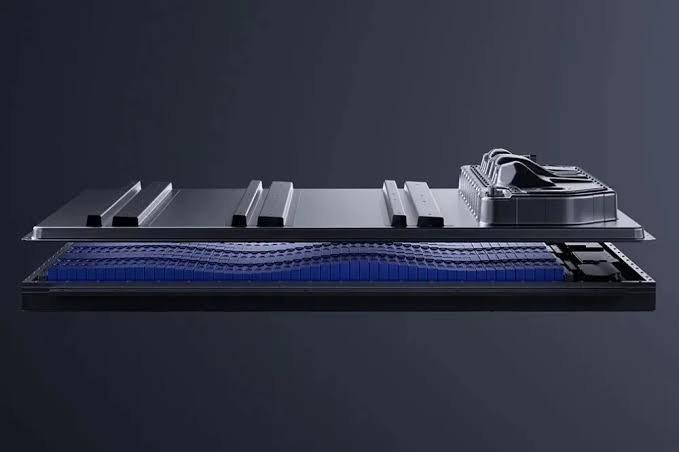
Li Auto‘s proprietary batteries are already present in the Li L8, Li L6, and Li i8 models. The company has detailed a rollout plan for the fourth quarter of 2026, expanding the use of its own 5C ternary lithium batteries.
For the Li Mega Home, orders locked in from 3:00 PM on September 7 will be equipped with Li Auto’s proprietary 5C ternary lithium batteries, with deliveries expected to begin in November. The upcoming Li i9, set to debut in mid-September, will initially launch with CATL batteries but will transition to Li Auto’s own batteries as production capacity increases. The 2026 Li i6, launching in the fourth quarter, will feature both the new 5C battery and the self-developed Mach chip, with pre-orders opening in late September and deliveries scheduled for early November.
Strategic Investment in Sunwoda
Earlier this month, Li Auto announced a strategic investment of $394.4M (~AUD 547.3M) into Sunwoda EVB, a subsidiary of Sunwoda Electronic. Upon completion, Li Auto will hold an 8.79% stake in Sunwoda EVB, bringing its total indirect ownership to 11.17% and making it the second-largest shareholder.
The partnership between Li Auto and Sunwoda began in 2017. Under the current in-house model, Li Auto defines product specifications and leads the development of cell materials, structures, and battery management systems, while Sunwoda acts as the contract manufacturer for the cells.
Li Auto’s Approach to Battery Technology
Liu Zhimin, Senior Director of Power Batteries at Li Auto, emphasized the company’s strategy by stating, “Battery technology is not a commodity.” He added, “By controlling the underlying design and manufacturing standards, we ensure both the certainty of supply and the ability to innovate rapidly to meet user needs.”
While the first batch of Li i9 models will still feature CATL batteries, this transition signals a broader move away from reliance on CATL.
Industry Context: Shifting Battery Partnerships
Li Auto was CATL’s fourth-largest customer for EV batteries as recently as April 2026. However, it is not the first automaker to change its battery sourcing strategy. Xpeng stopped using CATL batteries a few years ago, and Xiaomi’s newly launched SkyNomad N70 and N90 also do not use CATL batteries.
Meanwhile, CATL continues to gain new customers. Leapmotor, for example, now uses CATL batteries across its high-end D-series, with sales topping 100,000 units for two consecutive months.
Why this matters
Li Auto’s shift to proprietary battery technology represents a significant move in the Chinese EV industry, as automakers seek greater control over supply chains and product innovation. By investing in battery development and manufacturing partnerships, Li Auto aims to secure supply certainty and accelerate its ability to meet evolving user needs.
This transition also reflects a broader trend among Chinese automakers to diversify or internalize battery sourcing, reducing dependence on major suppliers like CATL.
What this means for buyers
Buyers of upcoming Li Auto models can expect vehicles equipped with the company’s latest battery technology, potentially offering improved performance and supply stability. Those considering the Li Mega Home or the 2026 Li i6 should note the transition timelines for proprietary batteries and new features like the Mach chip.
As Li Auto and other brands move away from single-source suppliers, consumers may benefit from increased innovation and potentially more competitive pricing in the EV market.
Key Specs
- Proprietary Battery Rollout Start Date: September 7, 2026
- Models with Proprietary Batteries: Li L8, Li L6, Li i8, Li Mega Home (from September 7 orders), Li i9 (after initial launch), 2026 Li i6
- Investment in Sunwoda EVB: $394.4M (~AUD 547.3M)
- Sunwoda EVB Stake After Investment: 8.79% (total indirect ownership 11.17%)
- First Li i9 Launch Battery: CATL (transitioning to Li Auto proprietary)
- 2026 Li i6 Features: Proprietary 5C battery, Mach chip
- Pre-order and Delivery Dates for 2026 Li i6: Pre-orders late September 2026, deliveries early November 2026
Source
Images sourced from: cnevpost.com, carnewschina.com

