
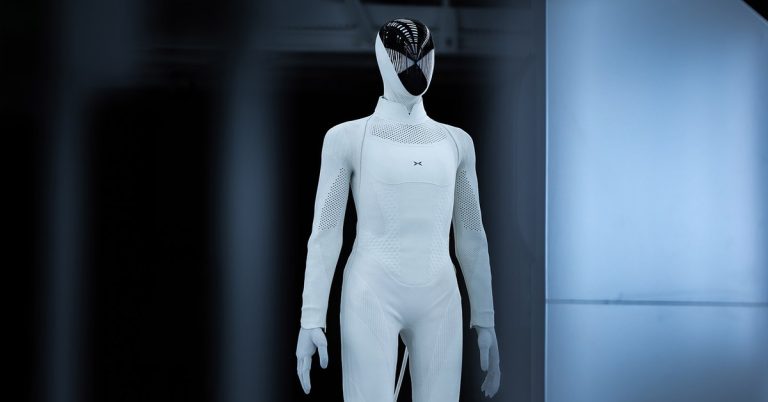
Xpeng has officially launched its automated production line for the Iron humanoid robot, marking a significant step toward mass production. The company says Iron is now transitioning from prototype to production, with plans for large-scale manufacturing by the end of 2026 and deliveries starting in 2027.
Automated Production Line Begins Operation
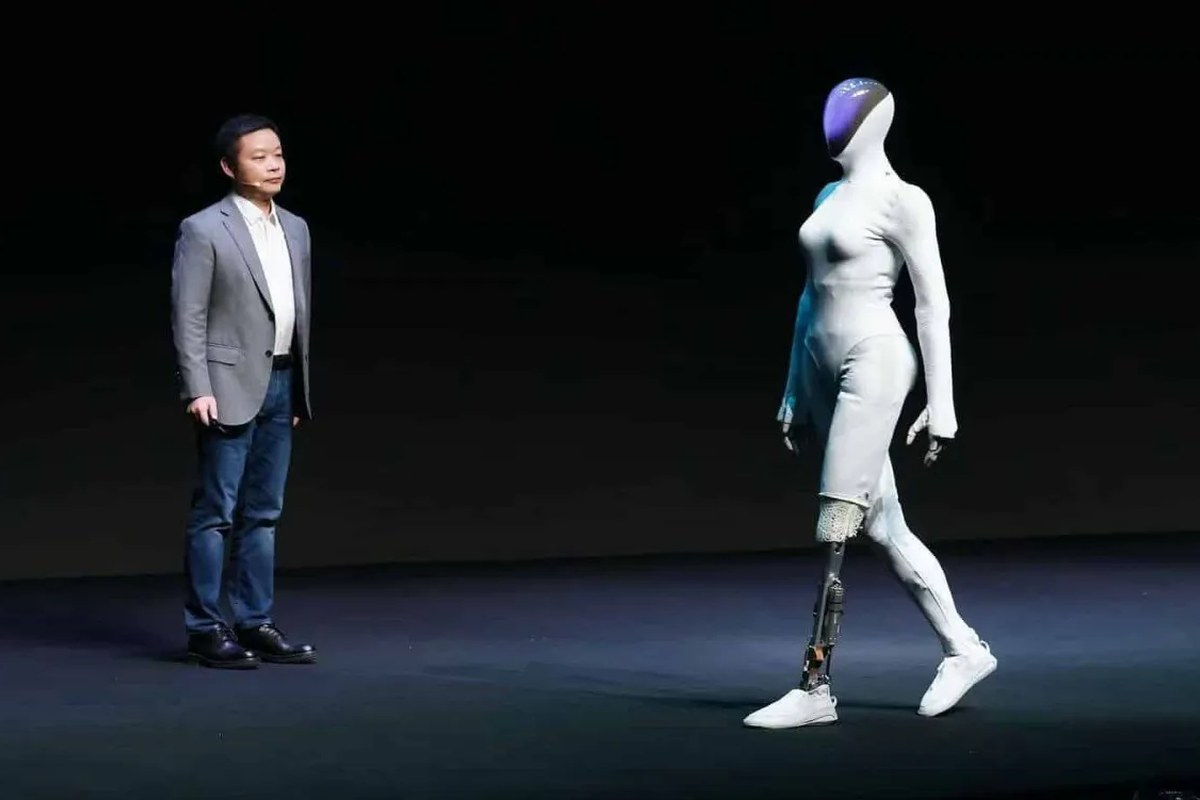
Xpeng announced that its Iron humanoid robot has completed assembly and autonomously walked off the new production line, signaling the move from research and development to manufacturing. According to the company, more than 80% of the core processes on the line are automated, which is intended to ensure consistent quality and support rapid scaling.
Described by Xpeng as the world’s first automated production line for advanced humanoid robots, the facility combines quality systems from the smart electric vehicle sector with precision robotics manufacturing. The line was designed from the ground up for scalability, with automation playing a key role in maintaining high standards.
Path to Mass Production and Global Launch
While the commissioning of the production line is a major milestone, Xpeng clarified that mass production of the Iron robot will begin by the end of 2026. Initial deployments are planned for Xpeng’s own stores and campuses, with a broader official launch and deliveries in China and overseas markets scheduled for 2027.
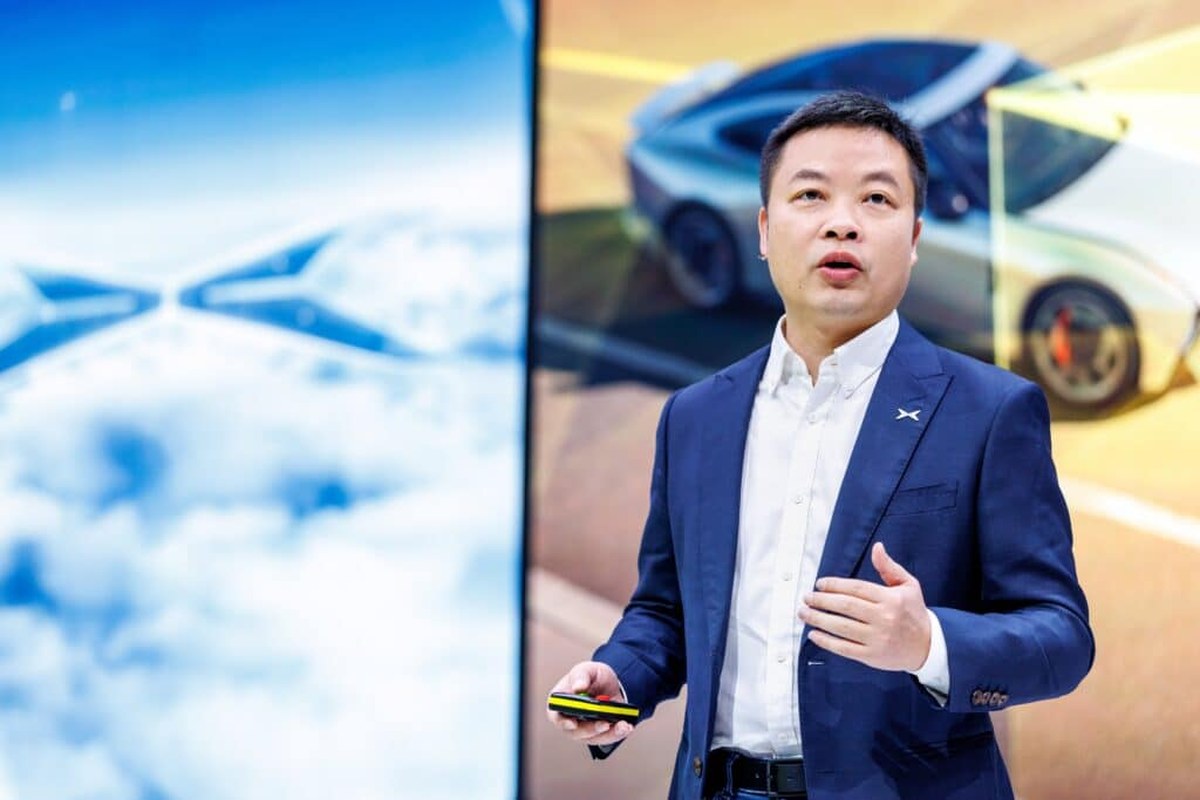
He Xiaopeng, Xpeng’s chairman and CEO, stated, “The robot production lines were created from scratch with no precedent to follow.” He added that the company will continue to pursue faster production cycles and greater manufacturing scale.
Technical Highlights of the Iron Robot
The next-generation Iron humanoid robot features 76 degrees of freedom across its body and 21 in each hand, allowing for highly flexible movement. It uses a fully enclosed flexible lattice structure developed by Xpeng to balance a human-like appearance with safety.
Iron is powered by three in-house Turing AI chips, providing up to 2,250 TOPS of effective computing power. This enables Xpeng’s physical AI foundation model to run directly on the robot, allowing it to perform complex tasks autonomously without remote operation. The company says this setup reduces inference latency and enhances data security.
Business and Investment Developments
Xpeng’s robotics business, operated under the Dogotix unit, recently secured about $900M (~AUD 1.2B) in financing commitments. The investment round was led by IDG Capital, with participation from Gaorong Ventures, Alibaba, and Tencent.
Dogotix’s implied post-money valuation would be about $6.3B (~AUD 8.7B) if the equity incentive pool is fully used. Xpeng will retain control of Dogotix and continue to consolidate its financial results after the transaction closes.
Why this matters
Xpeng’s move into automated humanoid robot production marks a significant expansion beyond its core electric vehicle business. By leveraging its expertise in automotive manufacturing and AI, the company aims to establish a new platform for general-purpose robotics.
With mass production planned for the end of 2026 and global deliveries in 2027, Xpeng is positioning itself at the forefront of physical AI and advanced robotics, potentially opening new revenue streams and applications.
What this means for buyers
Buyers and industry observers should watch for the official launch of the Iron humanoid robot in 2027, as Xpeng prepares to deploy the technology both in China and internationally. Pricing and specific applications have not yet been disclosed, but the company’s focus on automation and AI integration suggests a push toward scalable, high-quality robotics solutions.
Key Specs
- Degrees of Freedom (Body): 76
- Degrees of Freedom (Each Hand): 21
- AI Chips: 3 in-house Turing AI chips
- Computing Power: Up to 2,250 TOPS
- Production Line Automation: More than 80% of core processes automated
- Mass Production Start: End of 2026
- Global Deliveries: 2027
- Dogotix Post-Money Valuation: $6.3B (~AUD 8.7B)
Source
Images sourced from: cnevpost.com, electrek.co, 21news.be

