
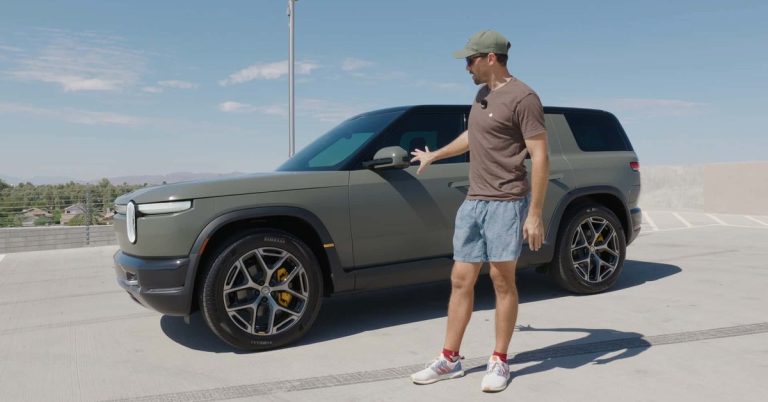
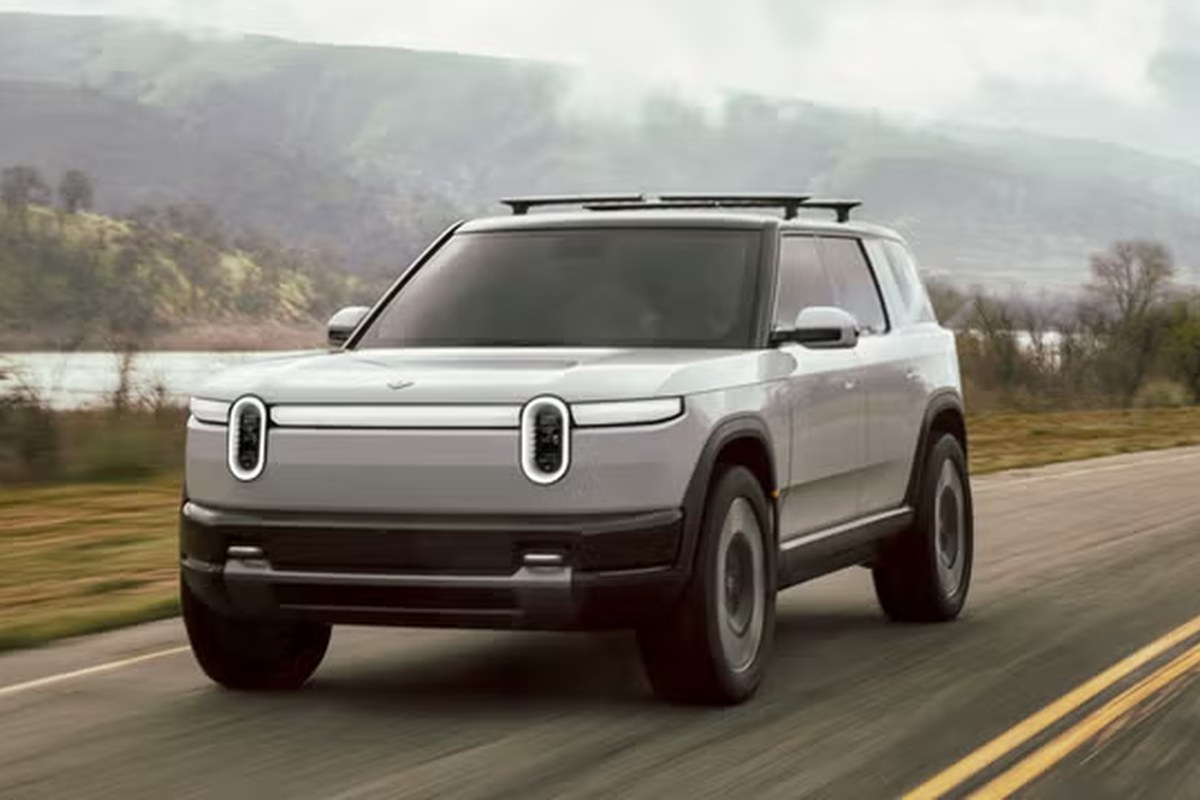
InsideEVs has highlighted a Rivian R2 owner’s detailed impressions after two months of daily driving. The review covers both the strengths and weaknesses of Rivian’s mid-size adventure EV, with particular focus on comfort, charging, and highway efficiency.
Everyday Comfort and Features
YouTuber Gjeebs has been driving his Rivian R2 Performance with the Launch Package for about two months, sharing his experiences as a daily driver. He notes the R2 is comfortable and easy to operate, with features like a one-touch button for all five windows and a rear glass section that drops into the tailgate.
The interior is praised for its ergonomics, offering large cupholders and multiple storage cubbies. The integrated blind-spot camera view in the digital instrument cluster also makes lane changes and merging easier.
Driver Assistance and Usability
The Launch Package includes lifetime access to Rivian’s Universal Hands-Free driver assistance system. This system can change lanes, though the driver must initiate the maneuver by signaling. Gjeebs found this feature to work well during his time with the vehicle.
However, some usability issues were noted. The rear wiper button is highly sensitive, activating with minimal touch, and there is no built-in cover for the panoramic glass roof—a trait shared with the Tesla Model Y and Model 3.
Charging and Real-World Range
The R2 Performance is rated for an EPA-estimated range of 330 miles (~531 km). In real-world use, Gjeebs observed that the range estimates can be optimistic. On a highway trip at speeds above 70 mph, the R2 displayed a projected range of 334 miles (~538 km) but actually delivered 248 miles (~399 km) with 2% battery remaining. The average efficiency for this trip was 2.93 miles per kilowatt-hour.
Despite this, the R2’s 400-volt architecture enables fast charging, with a 10-to-80% session taking less than 30 minutes.
Competitor Comparison
The Rivian R2 competes directly with the Tesla Model Y, Ford Mustang Mach-E, and Hyundai Ioniq 5. The Tesla Model Y is the best-selling electric SUV in the U.S. and is often considered the benchmark for this segment. The Ford Mustang Mach-E offers a similar compact/midsize SUV experience, while the Hyundai Ioniq 5 targets buyers seeking a more affordable electric crossover. Each of these models offers different strengths in range, charging speed, and interior features, making the R2’s real-world efficiency and comfort important factors for potential buyers.
Historical Context
Rivian sold 51,579 vehicles in 2024, representing an 18% year-over-year decline. The introduction of the R2 in 2026 marks Rivian’s effort to reach a broader market with a more accessible electric SUV.
Why this matters
The Rivian R2’s real-world performance and owner feedback provide valuable insights for prospective buyers considering a mid-size electric SUV. As Rivian aims to expand its market presence, understanding both the strengths and limitations of the R2 is crucial for consumers navigating a growing field of electric options.
What this means for buyers
Buyers interested in the Rivian R2 should weigh its comfort and advanced features against its real-world highway efficiency. Those who frequently drive at higher speeds may experience lower range than EPA estimates. Comparing the R2 with alternatives like the Tesla Model Y, Ford Mustang Mach-E, and Hyundai Ioniq 5 can help identify the best fit for individual needs, especially as regional availability and pricing may vary.
Key Specs
- EPA-estimated Range: 330 miles (~531 km)
- Real-world Highway Range (owner test): 248 miles (~399 km) with 2% battery remaining
- Average Efficiency (owner test): 2.93 miles/kWh
- Charging Time (10-80%): Less than 30 minutes
- Architecture: 400-volt
- Driver Assistance: Universal Hands-Free (lifetime access with Launch Package)
Images sourced from: insideevs.com, caranddriver.com, mensjournal.com

