
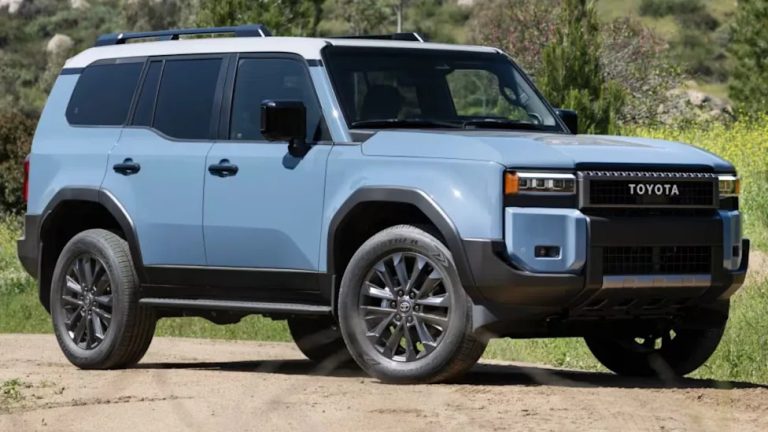
A new proposed class action in California claims Toyota shifted tariff-related costs onto U.S. buyers by raising vehicle and parts prices, and argues customers should benefit if the automaker later receives refunds from the government. The filing covers purchases and leases made between February 2025 and February 2026 and comes as Toyota’s North American business has reportedly taken a large hit from trade-related costs.

Toyota is facing a proposed class action in California federal court over allegations that it pushed tariff-related costs onto American customers through higher prices on vehicles and imported parts. The complaint argues that if Toyota later recovers money from the U.S. government, buyers who absorbed those costs should share in any refund.
The lawsuit centers on tariffs linked to the International Emergency Economic Powers Act and claims Toyota increased prices after those measures took effect. According to the filing, the company allegedly absorbed about $9 billion in tariff expenses tied to operations involving Japan, Canada, and Mexico, then passed much of that burden along to consumers.
Who the lawsuit covers
The proposed class includes U.S. customers who bought or leased qualifying Toyota products between February 2025 and February 2026. The plaintiff, California resident Ananias Cornejo, argues that buyers effectively paid for tariff costs through higher transaction prices.
Attorneys behind the case say Toyota has not made clear whether customers would receive any compensation if tariff refunds are eventually awarded to the automaker. The suit is asking the court to address that issue before any potential recovery is resolved elsewhere.
Why the pricing claims are hard to prove
Car companies raise prices for many reasons, including higher material costs, inflation, model updates, and changes in market demand. That makes it difficult to prove that a specific MSRP increase came directly from tariffs rather than from a broader pricing strategy.

Still, the filing points to some noticeable increases. One example cited is the 2026 Sequoia, which Toyota reportedly priced $1,600 higher than the 2025 model. Toyota has said recent increases were part of a regular review of prices rather than an explicit tariff pass-through.
Toyota is not the only automaker navigating tariffs
Other automakers have also adjusted prices while avoiding direct public references to tariffs. Some companies have been more open: Porsche, for example, has acknowledged that customers may pay more to help offset tariff pressure on imported vehicles.
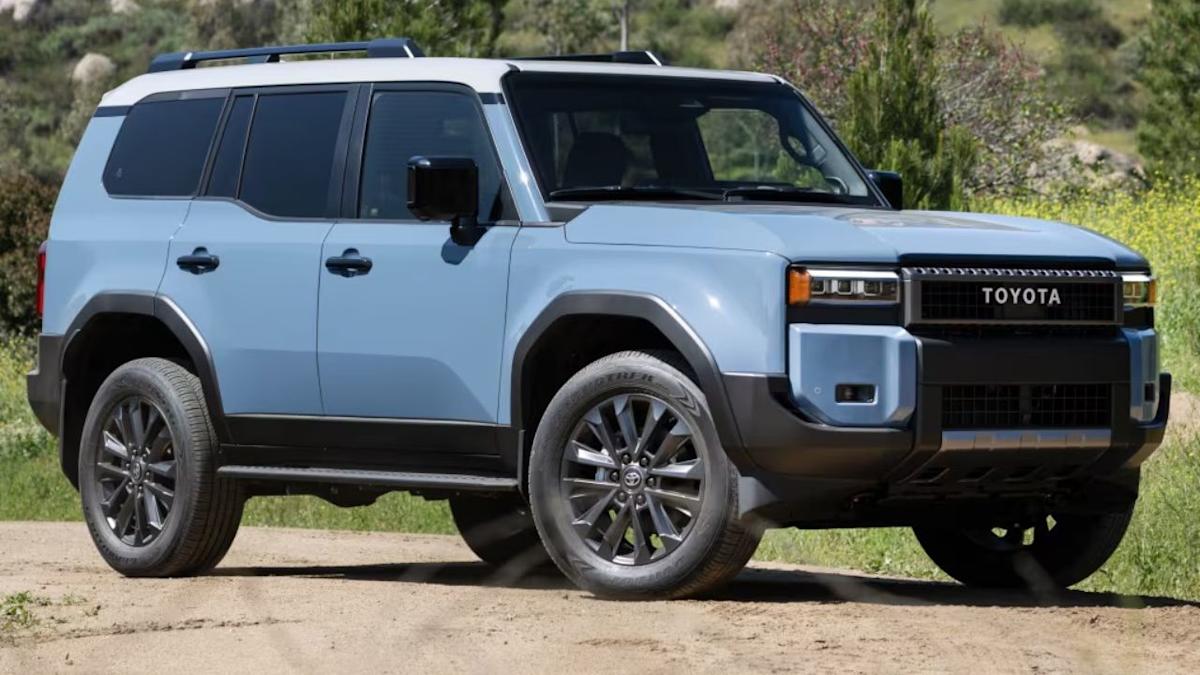
Toyota’s approach appears more cautious, even as legal and financial pressure around trade policy continues to build. The company has not publicly tied its recent pricing changes to tariffs, despite the lawsuit’s claims.
Financial impact on Toyota
Even with price increases in place, Toyota’s North American operations reportedly still absorbed a significant financial blow from President Trump’s trade policy. WardsAuto reported that tariffs erased regional profits in fiscal 2026 and left Toyota with an operating loss approaching $2 billion.
That context helps explain why the lawsuit matters: it sits at the intersection of trade policy, auto pricing, and consumer rights. If courts eventually decide tariff refunds are owed, the broader question will be how, or whether, that money reaches the people who paid more at the dealership.
What happens next
For now, the case is only a proposed class action, so Toyota has not been found liable. Even if tariff refunds are eventually awarded, distributing money to millions of buyers or lessees would likely be a complicated legal and administrative process.
That means the outcome could affect not just Toyota’s finances, but also how automakers disclose price increases tied to government policy in the future.
Why This Matters
This case matters because it raises a broader question about who should bear the cost of trade policy: manufacturers, dealers, or consumers. If a company raises prices to cover tariff exposure and later recovers those costs, the lawsuit argues buyers should not be left out of any repayment.

It also highlights how opaque vehicle pricing can be. Car shoppers often see MSRP increases without a clear explanation, and this dispute shows how difficult it can be to separate routine pricing changes from policy-driven costs.
For readers, the case is a reminder that tariffs can influence not only company earnings but also the final price paid at the dealership. If the court allows the claims to proceed, it could encourage more scrutiny of how automakers communicate price changes tied to government actions.
Key Specs
- Company: Toyota
- Case type: Proposed class action lawsuit
- Filed in: California federal court
- Plaintiff: Ananias Cornejo
- Claimed tariff exposure: About $9 billion [as alleged in the filing]
- Class period: February 2025 to February 2026
- Example price increase cited: 2026 Toyota Sequoia up $1,600 versus 2025 model
- Reported North American operating loss: Nearly $2 billion in fiscal 2026 [per WardsAuto]
- Issue at stake: Whether consumers should receive refunds if Toyota recovers tariff-related money from the government
Source: Carscoops

